
Fair Play in Live Dealer Games: What Happens Behind the Scenes


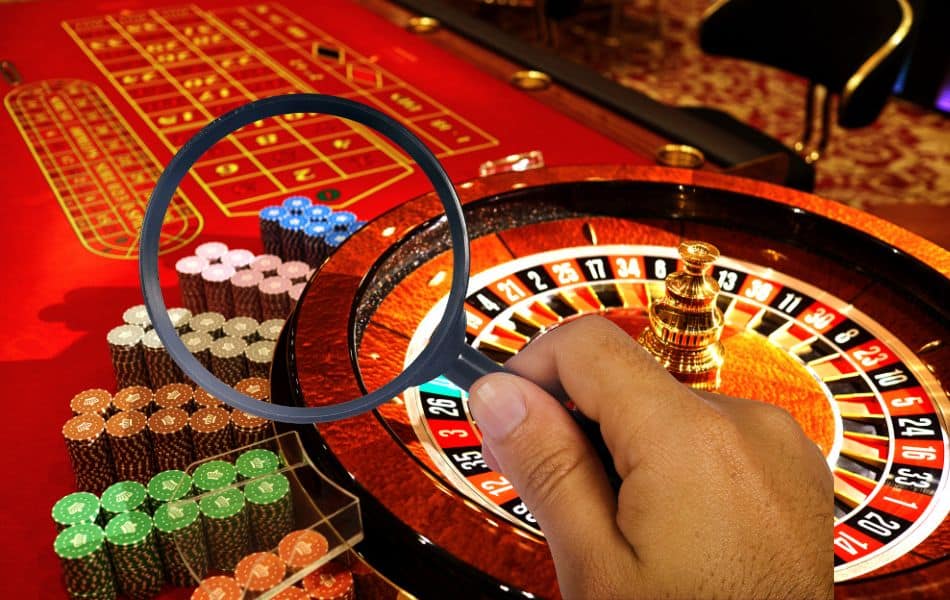
Live casino games bridge the gap between real-world gambling and online play, using real dealers, cards, and wheels streamed from professional studios. But are they fair? Behind the scenes, top live gaming providers use a mix of human oversight, advanced technology, and strict regulation to ensure transparency and fairness – rivaling land-based casinos.
- Real Studios, Real Oversight: Live tables stream from licensed studios in Malta, Latvia, the Philippines, and the U.S., with pit bosses monitoring multiple HD camera angles and dealer activity 24/7.
- Technology Safeguards: Game Control Units (GCUs) and Optical Camera Recognition (OCR) tech convert every card and roulette spin into verified data, ensuring accuracy and eliminating manipulation.
- Dealer Integrity: Dealers are salaried professionals trained to host games fairly; they can’t see individual bets and rotate regularly to prevent bias or collusion.
- Equipment and Audits: Cards and wheels are replaced, scanned, and tested frequently; regulators like the Malta Gaming Authority and UK Gambling Commission audit video records and enforce compliance.
- Emerging Fairness Tech: RFID chips, AI-assisted monitoring, and player-accessible game logs are enhancing trust and reducing human error across platforms.
The clink of cards on a table, the spin of a roulette wheel, the banter of a real dealer – live casino games bring the sights and sounds of gambling halls to your screen. It’s a booming segment of online gambling, blurring the line between virtual and real-world play. Yet many players have questions: How do I know the dealer isn’t cheating? Is the game really live? What safeguards ensure fair play behind the scenes? Unlike digital RNG games, live dealer games involve human operation and physical equipment, which requires a different approach to guaranteeing fairness.
The good news is that top live casino providers run their studios much like a Las Vegas casino floor – with layers of oversight, technology, and regulation to uphold integrity. In this article, we take a step behind the camera to see how live dealer games truly work. From multiple HD cameras and card scanners to pit bosses in control rooms, discover the systems in place that ensure the cards you see being dealt and the wheels spinning are giving everyone a fair shot.
Inside the Live Casino Studio
Live dealer games are typically broadcast from specialized studio facilities (or sometimes real casino floors) equipped to stream high-definition video in real time. The setup is sophisticated. A single live blackjack table, for example, might be surrounded by multiple cameras capturing different angles – one focusing on the dealer, one on the table and cards, and one for wide shots.
These aren’t webcam-in-the-basement operations; studios are often professional environments in countries like Malta, Latvia, the Philippines, and the U.S., purpose-built for 24/7 gaming broadcasts.
Game Control Unit and OCR Technology
A major behind-the-scenes component is the use of the Game Control Unit (GCU) and Optical Camera Recognition (OCR) technology. Every live table has a GCU device that encodes the video feed and synchronizes game data.
The OCR tech is particularly impressive – it “records every detail made by the dealer and translates all the cards, numbers and symbols during the game into data.” In practice, this means when a card is dealt, the system recognizes it (often via tiny barcodes or embedded microchips on the cards, or pattern recognition from the camera) and instantly displays it on your screen interface. Similarly, for roulette, sensors on the wheel and ball track the winning number, which is then relayed to players.
Dealer Training and Performance
Dealers themselves are highly trained professionals, not just in dealing technique but also in interacting with a virtual audience. A live dealer must be able to conduct the game, announce results, and respond to player chats, all while knowing they’re being watched from potentially hundreds of angles.
According to a casino industry magazine, dealers undergo “intense training to learn the rules of popular casino games and understand the current rules and laws regarding gambling.” They are also coached in presenting – maintaining a friendly demeanor, giving clear commentary, and engaging players to mimic that social feel of a real casino.
Studio Oversight and Pit Bosses
The studio is overseen by production managers and pit bosses (floor supervisors) much like a land-based casino. An account from Playtech’s live studio in Pennsylvania described “two pit bosses on duty at any given time, mostly observing from a control room, monitoring the action.” These pit bosses can step in if something goes awry – for example, if a dealer makes a dealing error, or if a technical issue occurs.
They are in constant communication with dealers via headsets or in-room screens, and they ensure games run smoothly and fairly. The pit bosses are effectively the “eye in the sky”, with a bank of monitors showing every table’s live feed. If a dispute arises (say a player thinks a card was mis-scanned), they can review the footage on the spot.
Ensuring Fairness: Cards, Wheels, and Shuffles
One of the biggest questions players have is: how do I know the cards aren’t stacked or the roulette wheel isn’t rigged? The answer lies in procedural integrity and equipment maintenance:
Playing Cards
- Live dealer studios use real card decks, often standard casino-grade cards with markings for scanning.
- To prevent tampering, cards are frequently replaced, often every shift or every few shoes.
- Cards might be unsealed and/or shuffled on camera to enhance transparency.
- Automatic shuffling machines are widely used to randomize decks thoroughly and speed up play.
Roulette Wheels and Equipment
- Authentic, precision-balanced roulette wheels are sourced from reputable suppliers.
- Studio staff regularly test and maintain wheels to ensure fair outcomes.
- Sensors (magnetic or optical) capture results instantly, reducing misreporting.
- Multiple camera angles help verify the results for players.
Game Rules and Procedures
- Games follow strict rules just like brick-and-mortar casinos.
- Standard practices like burning the first card, card destruction, and dealer hand-checks are implemented.
- These methods ensure there is no manipulation or hidden interference.
Handling Errors and Disputes
Despite best efforts, mistakes can occasionally happen in live games because humans are involved. Live casinos have strict protocols for handling such situations:
- If a card is misdealt or exposed too early, the round might be voided and all bets returned. The dealer will announce something like “round canceled due to technical error” and players get their wager back.
- If a camera feed drops for a moment, usually there are backups – often multiple internet connections and power backups for the studio to prevent interruption. If the feed to players was disrupted but the game continued in studio, the digital system still logs the results via OCR, so player interfaces can still display what happened once connection resumes. If the disruption was on the studio end, the round might be nullified.
- For player disputes, say a player claims they made a bet that didn’t register, the session logs and video can be reviewed. Every action a player takes on the interface (bet placed, etc.) is recorded in the server log. So a claim “I bet on black and it didn’t pay” can be verified against the log (maybe the bet wasn’t actually confirmed in time, etc.). The video also helps—maybe the player’s chips didn’t appear on the layout on screen, indicating the bet didn’t go through.
Because everything is live and transparent, disputes in live dealer games are comparatively few. Many players actually trust live games more than pure software games because they can see the outcome generation. They see real cards being shuffled and dealt, instead of an RNG spitting out numbers.
This tangibility increases trust – one reason live casino popularity has soared. From the casino side, they also feel secure because the game outcomes are still completely random and out of the dealer’s control, just as in a real casino. The dealer can’t rig a shuffle or spin any more than a dealer in Monte Carlo could – in fact, probably less so, given all the surveillance.
The Human Element: Are Dealers Fair?
Dealers are professionals whose income does not depend on player losses. Their role is to conduct fair and engaging games. Studios enforce strict standards to ensure fair dealer behavior:
- Dealers are salaried and incentivized to keep players happy.
- Dealers usually cannot see individual bets or player identities.
- Frequent rotations prevent prolonged interaction with the same players.
- All actions are recorded and reviewed for integrity.
Regulation and Audits
Live dealer games are regulated under the same frameworks as RNG games. Regulators conduct random inspections, audits, and enforce strict compliance measures:
- Licensing bodies (e.g., Malta Gaming Authority, UK Gambling Commission) mandate video monitoring and fair play standards.
- Studios must keep full video recordings of sessions for review.
- Responsible gambling measures are also in place; live dealers are trained to flag problematic behavior.
Future Tech: Enhancing Fair Play
Technology continues to evolve, and live dealer games are incorporating new tools to strengthen fairness:
- RFID-chipped cards for automatic recognition without camera reliance.
- AI-assisted OCR monitoring to reduce human and technical errors.
- VR casinos may offer players immersive experiences with real-time synced gameplay.
- On-demand features like shuffle requests and visible game history logs boost player trust.
Final Thoughts: Trust in Live Games
Fair play in live dealer games is achieved through a combination of human integrity, technology, and regulatory oversight. If you peek into a live casino studio, it resembles a television production combined with a casino floor. For players, the experience is designed to be both entertaining and reassuring.
You can watch the roulette ball bounce, see the dealer reveal cards, and interact via chat. Knowing what goes on behind the scenes, players can be confident that what they are seeing is genuine. The cards are real, the wheel is real, and the oversight is very real – making cheating virtually nonexistent. The infrastructure rivals that of a brick-and-mortar casino. Live online casinos have essentially transplanted the trust mechanisms of physical casinos into the digital realm.
To put all into context, fair play is at the heart of live dealer gaming’s appeal, and the industry knows it. They’ve built an environment where players can enjoy the thrill of the casino from home without worrying about the integrity of the game. The marriage of live human activity and online connectivity is only getting tighter, and if fairness continues to be rigorously maintained, live dealer games will likely remain the gold standard for trust in online gaming.
Related Posts

Live casino games bridge the gap between real-world gambling and online play, using real dealers, cards, and wheels streamed from professional studios. But are they… Read more >>