
Do Casino Bonus Offers Actually Benefit Players? A Data-Driven Analysis


Online casinos spend millions to attract players with “free” incentives. From sign-up bonuses to loyalty rewards, these promotions seem generous, but research shows that the real cost, psychological, behavioral, and financial, can be far higher than players realize.
Ubiquitous Incentives: A Double-Edged Sword
Almost all online casinos now offer some form of bonus. According to the UK Gambling Commission, over 80% of survey respondents reported receiving a casino incentive at least once a month, while around 65% of gamblers received some form of bonus in the past year.
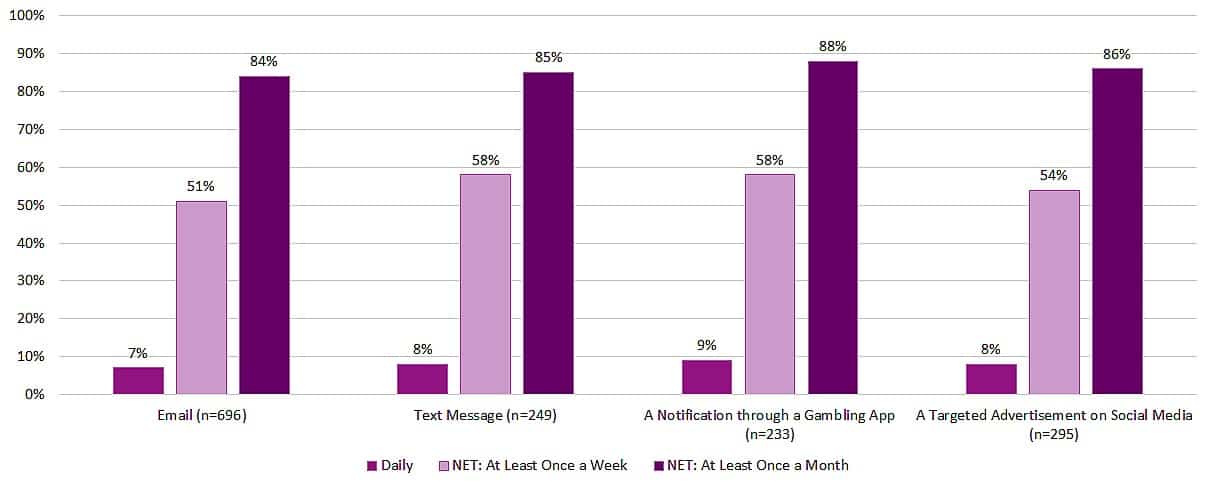
Source: UK Gambling Commission
These offers are central to casino acquisition strategies, but growing research suggests they may push players toward riskier and more frequent gambling.
How Bonuses Influence Play
In entertainment and educational contexts, rewards can enhance motivation. A systematic review of 15 gamification studies found medium to large increases in engagement in 12 studies. In gambling, however, the impact can be harmful.
A longitudinal study of 14,988 French gamblers revealed that bonus use increased both gambling intensity and frequency. Weekly wagers and deposits rose (effect sizes β -0.06 to 0.57), and gambling days increased (β 0.12–0.29).
More concerning, odds ratios for at-risk behaviors, like chasing losses and breadth of gambling involvement, reached up to 4.82. Thirty-one percent of players admitted that bonuses led them to gamble more than planned. The report concluded that “bonus offers can override players’ self-imposed limits.”
The Complex Reality of Wagering Requirements
Most bonuses come with wagering requirements that significantly affect their value. For example, a $100 bonus with a 30x requirement means the player must wager $3,000 before withdrawing winnings. Often, these conditions apply to both the deposit and the bonus itself, making calculations even harder. Studies show that 70% of players cannot accurately assess what is needed to meet such requirements.
Games contribute unevenly toward wagering goals: slots typically count 100%, while table games like blackjack may count only 10% or not at all. Additional restrictions, such as bet limits and expiry dates, further reduce the effective value of the bonus. Players often underestimate these costs, leading to frustration when attempting withdrawals.
Bonuses Encourage Riskier Bets
Research consistently finds that bonuses influence betting behavior. Participants in studies led by Nerilee Hing selected longer-odds bets when incentives were offered. While these bets promise larger payouts, they increase volatility, meaning players lose more overall.
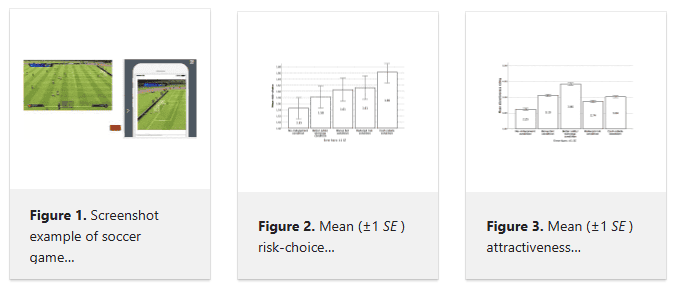
Source: PubMed
No-deposit bonuses typically cap winnings around $100, limiting profitability even for successful players. Incentives increased risk-taking across all gambling risk groups, driven by the “house money” effect, where bonus funds are treated as less valuable, prompting more aggressive play.
Psychological Drivers Behind Bonuses
The appeal of bonuses is rooted in behavioral psychology. The anticipation of rewards, such as free spins or bonus cash, triggers dopamine release, creating excitement and reinforcing participation. Cognitive biases also play a role:
-
Optimism bias: Players overestimate their chances of winning.
-
Endowment effect: Players feel ownership over free funds, increasing play.
-
FOMO: Time-sensitive promotions encourage hasty decisions.
Variable incentive systems mimic slot machine unpredictability, reinforcing gambling behavior even with small wins.
Business Gains vs. Player Impact
From a casino perspective, bonuses are highly effective. Competitive welcome offers increase registrations, while personalized incentives improve retention. Casinos track player behavior through analytics, using indicators like Net Gaming Revenue (NGR) to evaluate return on investment.
However, research sNeruggests diminishing returns. A UNLV study found that reducing free-play incentives had minimal effect on spending per trip among most users. Only players losing all free-play benefits reduced visitation by 20%. Anthony Lucas, a UNLV researcher, emphasized: “Casinos need to ask, ‘How can we do it differently?’”, highlighting opportunities to redirect funds toward service or experience improvements.
Regulatory Scrutiny and Industry Response
Regulators are increasingly aware of the risks posed by bonuses. The UK Gambling Commission has considered capping wagering requirements, and some jurisdictions have banned promotions that span multiple game types to simplify conditions and reduce harm.
Operators have introduced stricter measures to prevent bonus abuse, including KYC protocols, IP tracking, and device fingerprinting. While these curb exploitation, they also affect legitimate players through lower bonus caps, stricter terms, and additional verification requirements.
Context Matters: Gaming vs. Gambling
Bonuses function differently depending on context. In gaming, rewards like badges or in-game items enhance motivation and engagement. In gambling, the same structures increase intensity, frequency, and financial exposure, particularly for at-risk individuals.
Some operators now experiment with “no wagering” bonuses, allowing players to withdraw winnings without additional play requirements. Early research suggests these reduce regret and confusion, particularly for new players, offering a safer alternative to traditional incentives.
Related Posts
Nothing Found
Online casinos spend millions to attract players with “free” incentives. From sign-up bonuses to loyalty rewards, these promotions seem generous, but research shows that the… Read more >>