
How Self-Exclusion Tools and Player Protection Features Are Reshaping Gambling Safety


Self-exclusion programs and player-protection tools are meant to give vulnerable gamblers a practical way to limit access and reduce harm, yet evidence shows inconsistent enforcement and low adoption. Research indicates that many self-excluded individuals still gamble during their ban, and usage rates for tools like deposit limits and reality checks remain low. Early data from programs such as GAMSTOP and state-run U.S. systems suggest rising demand, especially among young adults – but regulatory gaps, low awareness, and operator inconsistency continue to undermine effectiveness.
- Studies find 11%–77% of self-excluded people continue gambling during their ban, highlighting uneven operator enforcement.
- The New Jersey Self-Exclusion Program now allows online enrollment, improving accessibility for those seeking help.
- Only 0.6%–7% of Canadian and 9%–17% of Australian problem gamblers use self-exclusion tools, underscoring low awareness and stigma.
- Player-protection features—deposit limits, cool-offs, self-assessments—are mandated by regulators like the UK Gambling Commission, but adoption remains low despite increased gambling during COVID-19.
- Younger online gamblers are driving growth: GAMSTOP reports a 31% year-over-year rise in self-exclusions among 16–24-year-olds, now nearly one-quarter of registrants.
For those struggling with gambling addiction, self-exclusion tools and player protection features are designed to provide critical safeguards. Research suggests these tools help individuals control their gambling habits, though their effectiveness is debated. While self-exclusion programs can bar individuals from gambling for periods ranging from six months to a lifetime, enforcement remains inconsistent.
What is Gambling ‘Self-exclusion’?
Self-exclusion allows individuals to voluntarily prohibit themselves from gambling at specific venues or across multiple platforms. Programs such as GAMSTOP in the UK and state-run self-exclusion programs in the U.S., including New Jersey’s Self-Exclusion Program, require operators to block access to gambling services. In practice, however, enforcement is uneven. Studies have found that between 11% and 77% of self-excluded individuals still manage to gamble during their exclusion period.
New Jersey recently took steps to enhance self-exclusion accessibility, allowing individuals to enroll online instead of visiting physical locations. “Expanding our self-exclusion portal makes it easier for those struggling with addiction to manage their recovery,” said Attorney General Matthew Platkin.
Yet, barriers persist. Low awareness, stigma, and complicated enrollment processes deter many from registering. Research indicates that only 0.6% to 7% of problem gamblers in Canada and 9% to 17% in Australia use self-exclusion tools.
Player Protection Features and Their Role
Beyond self-exclusion, player protection features aim to mitigate gambling harm before addiction takes hold. These tools include deposit and loss limits, reality checks, self-assessment questionnaires, and cool-off periods. The UK Gambling Commission mandates operators provide these options, while the Betting and Gaming Council promotes initiatives like the Anonymous Player Awareness System (APAS), which detects harmful gambling patterns.
Despite their availability, usage rates remain low. A UK survey found that while 64% of engaged gamblers increased time and money spent on gambling during COVID-19, many did not activate player protection features. These tools are only effective when actively used, and operator enforcement is inconsistent.
Studies reveal distinct demographic trends among self-excluders. Online self-excluders tend to be younger, averaging 31 to 36 years old, predominantly male (69%–95%), and favoring casino games like blackjack and roulette. Land-based self-excluders are older (41–45 years), with a preference for slot machines. Financial distress is a primary motivator, with 76% of land-based and 52% of online self-excluders citing significant monetary losses.
GAMSTOP reported a 31% year-over-year increase in self-exclusions among individuals aged 16–24, now accounting for nearly one in four registrants. “The increase in the number of under-25s registering for GAMSTOP has become an accelerating trend,” said Fiona Palmer, CEO of GAMSTOP.
A major concern is the ease with which self-excluded individuals can bypass restrictions. In Victoria, Australia, a self-excluded gambler reported being able to access 170 out of 175 venues despite signing up for exclusion. A similar issue was found in Quebec, where 70% of self-excluders admitted to gambling during their ban.
Self-exclusion enforcement failures have led to calls for stronger ID verification, better staff training, and integration of facial recognition technology. In the UK, regulatory authorities are urging operators to remove self-excluded individuals from marketing databases and enhance compliance monitoring.
As governments and regulators refine these measures, industry cooperation is crucial. The UK has banned credit card gambling, and the Betting and Gaming Council is implementing stricter rules for VIP customers and online advertising. Meanwhile, the U.S. is expanding digital self-exclusion options, making them more accessible.
Ultimately, self-exclusion and player protection features are essential tools, but their success depends on widespread adoption and effective enforcement. With gambling addiction on the rise, regulators continue to push for stronger safeguards to protect vulnerable players.
Related Posts


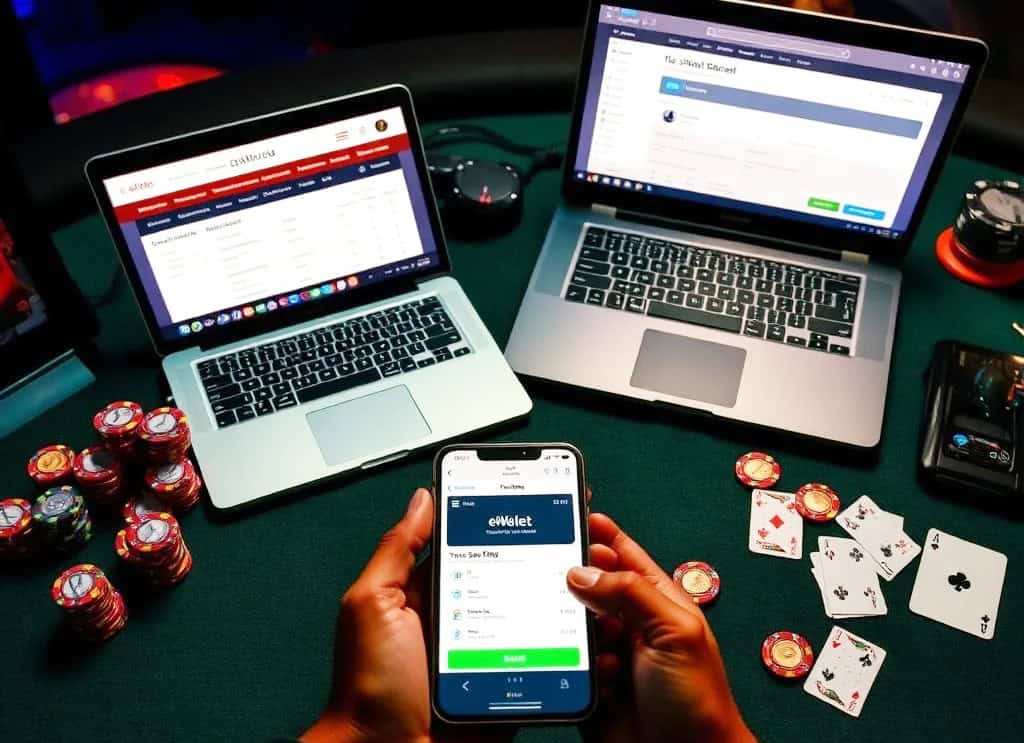
For those struggling with gambling addiction, self-exclusion tools and player protection features are designed to provide critical safeguards. Research suggests these tools help individuals control their gambling habits, though their effectiveness is debated.