
Gambling as Entertainment vs. Escape: What the Data Shows


Most adults gamble for fun – but for a vulnerable minority, it’s a coping mechanism for emotional distress. A systematic review cited by the APA Monitor found that 96% of studies link emotion regulation issues to problem gambling, especially when play becomes an escape from stress, loneliness, or trauma. Distinguishing between recreational and escape-driven gambling is essential for effective prevention, treatment, and policy design.
- Recreational gamblers – representing 40–80% of adults – typically play for social connection and excitement, set spending limits, and stop without harm
- Escape-driven gamblers seek relief from emotional pain. Longitudinal studies show these motives predict future gambling problems, especially in low-income or isolated populations.
- Cognitive distortions such as optimism bias and the gambler’s fallacy drive “chasing losses,” deepening both financial stress and emotional distress.
- Treatment relies on emotion-focused approaches like CBT, Motivational Interviewing, and Gamblers Anonymous, which target maladaptive coping and restore control.
- Policy frameworks from the World Health Organization emphasize harm reduction by balancing safe recreational access with protections for at-risk individuals.
In the brightly lit corridors of casinos and the virtual rooms of online gambling platforms, motivations quietly diverge. Some players sit down to a game for the thrill of a win, a shared laugh with friends, or the same kind of excitement found in a movie theater. Others, however, enter those same spaces seeking refuge—from loneliness, anxiety, or unresolved pain. While these motivations may look similar at first glance, the data tells a different story.
Research reveals that gambling, while broadly labeled as entertainment, has distinct psychological profiles depending on the reason behind it. According to a systematic review of 42 studies and six doctoral theses, 96 percent of research links emotion regulation issues with problem gambling—specifically when gambling is used as a coping mechanism.
For those in distress, gambling becomes more than a game; it becomes a method of temporary relief, one that frequently escalates into loss, addiction, and long-term harm.
Two Paths: Recreational Play vs. Escape-Driven Gambling
Entertainment remains the dominant motivation among casual gamblers. A study of urban elders in Detroit found that 79.5 percent of participants gambled “for entertainment.” Recreational gamblers typically view gambling the same way they might view attending a concert or visiting an amusement park—a leisure expense, often budgeted in advance.
They tend to set time and money limits, gamble socially, and balance their play with other activities. Data from CPD Online College, the Pennsylvania Gaming Control Board, and NY.gov supports this profile: recreational gamblers control both their spending and their time, reducing the likelihood of harm.
These players are driven by enhancement motives, such as thrill-seeking or the pursuit of excitement. A survey comparing different types of gamblers found no significant differences in enhancement motives between skill-based and mixed gamblers, suggesting this desire spans gambling styles. The psychological experience is also distinct. Entertainment-driven gamblers often enter a “flow” state, characterized by deep immersion and a rush of dopamine. While it mimics the euphoric effects of stimulant drugs, for many, it remains contained within safe parameters.
In contrast, escape-driven gambling presents a different behavioral trajectory. Individuals in this group often seek relief from emotional discomfort—stress, anxiety, depression, or loneliness. According to one longitudinal study, escape motives not only correlate with existing gambling problems but also predict their development over time. In the same Detroit study, 22.2 percent of elders said they gambled to escape feelings of loss or loneliness.
Mixed gamblers, who engage in both skill and chance-based games, scored significantly higher in coping motives compared to purely skill-based players. In quantitative terms, their average score for coping was 9.6 versus 8.3, with a p-value of .003, confirming statistical significance. These individuals often prefer low-skill, repetitive games—like slot machines—that allow for dissociation and psychological withdrawal. The APA Monitor on Psychology notes that gambling becomes a refuge for these players, often rooted in unresolved trauma or neglect.
The structural elements of certain gambling forms also play a role. Research shows that extended play sessions on electronic gaming machines (EGMs) are associated with a poorer quality of life. These games, designed for immersion and rapid play, are more likely to keep individuals in their seats longer. High-risk gamblers tend to report longer session durations, a behavioral red flag that signals deeper issues.
The Cognitive and Economic Traps of Escape Gambling
Cognitive distortions further blur the line between rational play and risky behavior. Optimism bias—a belief that one is more likely to win than statistically possible—leads players to overestimate their chances. This is especially common in lottery play, where probabilities are exceedingly low but hope remains high. Other distortions, such as the gambler’s fallacy, reinforce harmful behavior by suggesting that past losses mean a win is due. Confirmation bias plays a reinforcing role, allowing gamblers to cherry-pick evidence that validates their strategies while ignoring contradictory information.
These biases are not evenly distributed. While all gamblers may exhibit them to some degree, those who gamble to escape are particularly vulnerable. These players are more likely to fall into the trap of “chasing losses,” a cycle in which losing prompts further gambling in an attempt to recover. The longer they play, the more they lose—and the more emotionally invested they become.
The financial consequences can be severe. Intense gambling engagement is linked to the depletion of savings, accumulation of debt, and rising financial stress. This stress, in turn, often motivates further gambling in a desperate attempt to win back money, deepening the cycle. A review of research found a bidirectional relationship: financial stress can both trigger and result from gambling problems.
Lower-income populations are especially at risk. Studies show that the legalization of online gambling increases irresponsible behavior among these groups. The accessibility of gambling combined with economic desperation creates a volatile combination. For vulnerable individuals, gambling can appear to be a solution—when in reality, it often compounds the problem.
Public Health and Treatment Implications
The distinction between entertainment and escape carries profound implications for treatment and policy. Public health frameworks emphasize the need for interventions tailored to these differing motivations. For those gambling to escape, therapy must address the root cause—emotional regulation. Cognitive Behavioral Therapy (CBT) and Motivational Interviewing (MI) are often recommended, as they challenge cognitive distortions and introduce healthier coping mechanisms.
Support groups like Gamblers Anonymous (GA) offer peer-led recovery environments. Relapse prevention strategies focus on identifying triggers, setting boundaries, and cultivating mindfulness. Mindfulness-based interventions, in particular, help individuals increase their tolerance for cravings and regain emotional control.
Policy also plays a role. Effective gambling regulation must strike a balance—protecting those vulnerable to escape-driven gambling without limiting recreational enjoyment for others. The World Health Organization emphasizes harm prevention as a public health priority, especially as global gambling markets expand. Strategies include promoting responsible gambling, limiting access to high-risk games, and regulating offshore and unlicensed platforms that often bypass safety measures.
Quantitative data reinforces the urgency. With 96 percent of studies linking emotion regulation issues to problem gambling, and over 22 percent of at-risk elders using gambling as an emotional escape, the need for targeted intervention is clear. Meanwhile, the fact that up to 80 percent of the population gambles recreationally underscores the value of maintaining access to safe, controlled forms of play.
The road ahead lies in separating the fun from the harmful. While many find joy and excitement at the gaming tables, others are looking for a way out—and often, find themselves trapped instead.
Related Posts


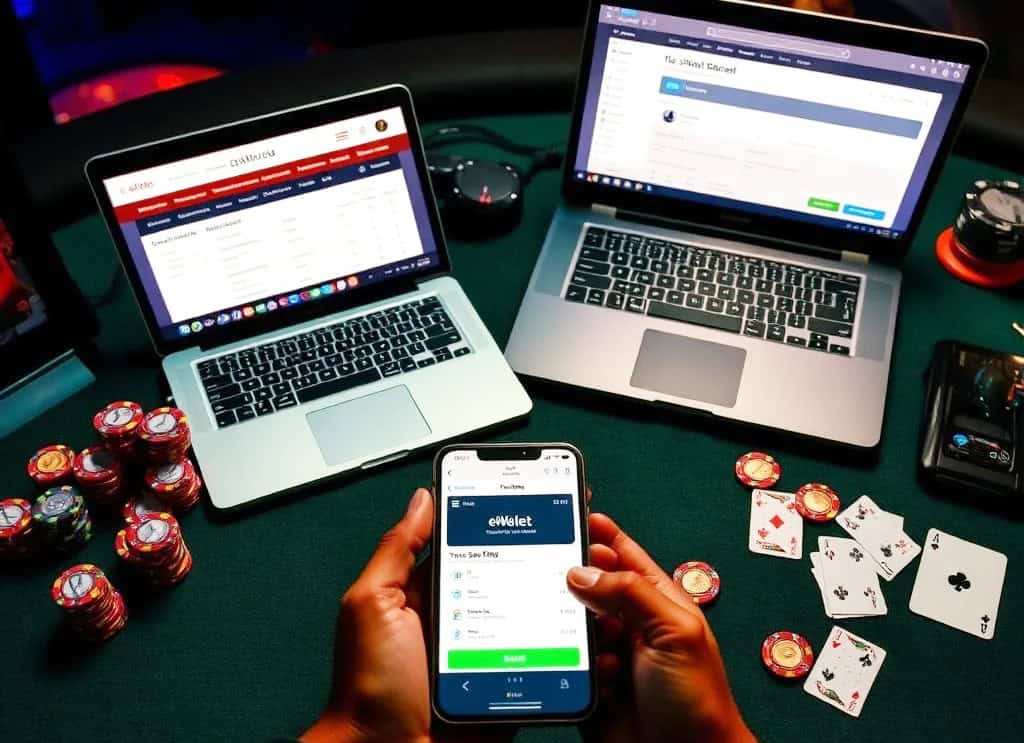
Most adults gamble for fun - but for a vulnerable minority, it’s a coping mechanism for emotional distress. A systematic review cited by the APA… Read more >>