Hardware Wallet Crypto Compatibility | Complete 2026 Guide to Top 20 Coins


Crypto wallets aren’t universal containers, they’re specialized tools built for specific blockchains. In 2025, hardware wallet compatibility varies widely across the top 20 cryptocurrencies, making it critical to align your portfolio with the right device. While Bitcoin, Ethereum, and Tether enjoy universal support, newer or privacy-focused coins often require third-party apps or upgraded models. The best wallet for you depends on your coin mix, usage style (mobile vs desktop), and security priorities.
- Universal support: Bitcoin (BTC), Ethereum (ETH), Tether (USDT), and Solana (SOL) work on all major wallets (Ledger, Trezor, KeepKey, SafePal).
- Ledger: Best overall with 5,500+ assets, strong security, and mobile support—ideal for diverse or DeFi-heavy portfolios.
- Trezor: Open-source leader with transparent security, but limited support for some emerging coins unless you use newer models.
- SafePal: Budget-friendly, air-gapped, and supports 30,000+ tokens, strong choice for security purists and new users.
- Key decision: Beyond the top 10 cryptos, compatibility varies. Match your wallet choice to your portfolio and security needs, and always buy directly from official vendors to avoid compromised devices.
Many cryptocurrency newcomers naturally assume that crypto wallets work like universal containers, able to store any digital asset you throw at them. This intuitive assumption, however, is fundamentally incorrect.
Crypto wallets are actually specialized software programs designed to interact with specific blockchain networks and their unique technical architectures. Just as you need different apps to open various file types on your computer, cryptocurrency wallets must be specifically engineered to understand each blockchain’s distinct transaction formats, cryptographic standards, and operational models. This is why a Bitcoin wallet cannot process Ethereum transactions and why hardware wallet compatibility varies dramatically across the thousands of available cryptocurrencies.
Top 20 Cryptos & Wallet Compatibility
Based on current market data from August 2025, here’s how the leading cryptocurrencies rank and their hardware wallet compatibility:
Tier 1: Universal Hardware Wallet Support
These cryptocurrencies are supported natively by virtually all major hardware wallets:
| Rank | Cryptocurrency | Symbol | Market Cap | Ledger | Trezor | KeepKey | SafePal | Key Notes |
|---|---|---|---|---|---|---|---|---|
| 1 | Bitcoin | BTC | $2.32T | ✅ Native | ✅ Native | ✅ Native | ✅ Native |
The gold standard—Most major wallets supports it |
| 2 | Ethereum | ETH | $462B | ✅ Native | ✅ Native | ✅ Native | ✅ Native | Includes all ERC-20 tokens |
| 3 | Tether | USDT | $164B | ✅ Native | ✅ Native | ✅ Native | ✅ Native | Multiple blockchain versions supported |
| 4 | Solana | SOL | $91.76B | ✅ Native | ✅ Native | ❌ | ✅ Native | Growing DeFi ecosystem |
| 5 | BNB | BNB | $108.31B | ✅ Native | ✅ 3rd Party | ❌ | ✅ Native | Binance Smart Chain ecosystem |
Tier 2: Widely Supported Major Cryptocurrencies
| Rank | Cryptocurrency | Symbol | Est. Market Cap | Ledger | Trezor | KeepKey | SafePal | Key Notes |
|---|---|---|---|---|---|---|---|---|
| 6 | XRP | XRP | ~$181B | ✅ Native | ✅ Limited* | ❌ | ✅ Native | *Requires Trezor Model T/Safe 3/Safe 5 |
| 7 | Dogecoin | DOGE | ~$32B | ✅ Native | ✅ Native | ✅ Native | ✅ Native | Meme coin with serious wallet support |
| 8 | Cardano | ADA | ~$27B | ✅ Native | ✅ Limited* | ❌ | ✅ Native | *Newer Trezor models only |
| 9 | TRON | TRX | $32B | ✅ Native | ❌ | ❌ | ✅ Native | Supports TRC-20 tokens |
| 10 | Chainlink | LINK | ~$12.4B | ✅ Native | ✅ Native | ✅ Native | ✅ Native | Critical DeFi infrastructure |
Tier 3: Good Support Across Most Wallets
| Rank | Cryptocurrency | Symbol | Est. Market Cap | Ledger | Trezor | KeepKey | SafePal | Key Notes |
|---|---|---|---|---|---|---|---|---|
| 11 | Polygon | MATIC | ~$2.4B | ✅ Native | ✅ Native | ❌ | ✅ Native | Ethereum Layer 2 scaling |
| 12 | Bitcoin Cash | BCH | ~$11.5B | ✅ Native | ✅ Native | ✅ Native | ✅ Native | Bitcoin fork with universal support |
| 13 | Litecoin | LTC | ~$9.3B | ✅ Native | ✅ Native | ✅ Native | ✅ Native | “Digital silver” – well established |
| 14 | Monero | XMR | ~$4.6B | ✅ 3rd Party | ✅ 3rd Party | ❌ | ❌ | Privacy coin with limited wallet support |
| 15 | Ethereum Classic | ETC | ~$3.2B | ✅ Native | ✅ Native | ❌ | ✅ Native | Original Ethereum blockchain |
Tier 4: Emerging with Limited Support
| Rank | Cryptocurrency | Symbol | Est. Market Cap | Ledger | Trezor | KeepKey | SafePal | Key Notes |
|---|---|---|---|---|---|---|---|---|
| 16 | Hyperliquid | HYPE | ~$13.3B | ✅ 3rd Party | ❌ | ❌ | ❌ | New high-performance blockchain |
| 17 | Avalanche | AVAX | ~$9.6B | ✅ Native | ✅ 3rd Party | ❌ | ✅ Native | Fast smart contract platform |
| 18 | Stellar | XLM | ~$13B | ✅ Native | ✅ 3rd Party | ❌ | ✅ Native | Cross-border payment focus |
| 19 | Polkadot | DOT | ~$6.1B | ✅ Native | ✅ 3rd Party | ❌ | ✅ Native | Blockchain interoperability |
| 20 | Uniswap | UNI | ~$6.5B | ✅ Native | ✅ Native | ✅ Native | ✅ Native | Leading DEX token (ERC-20) |
Complete Hardware Wallet Comparison
Ledger: Maximum Compatibility Champion
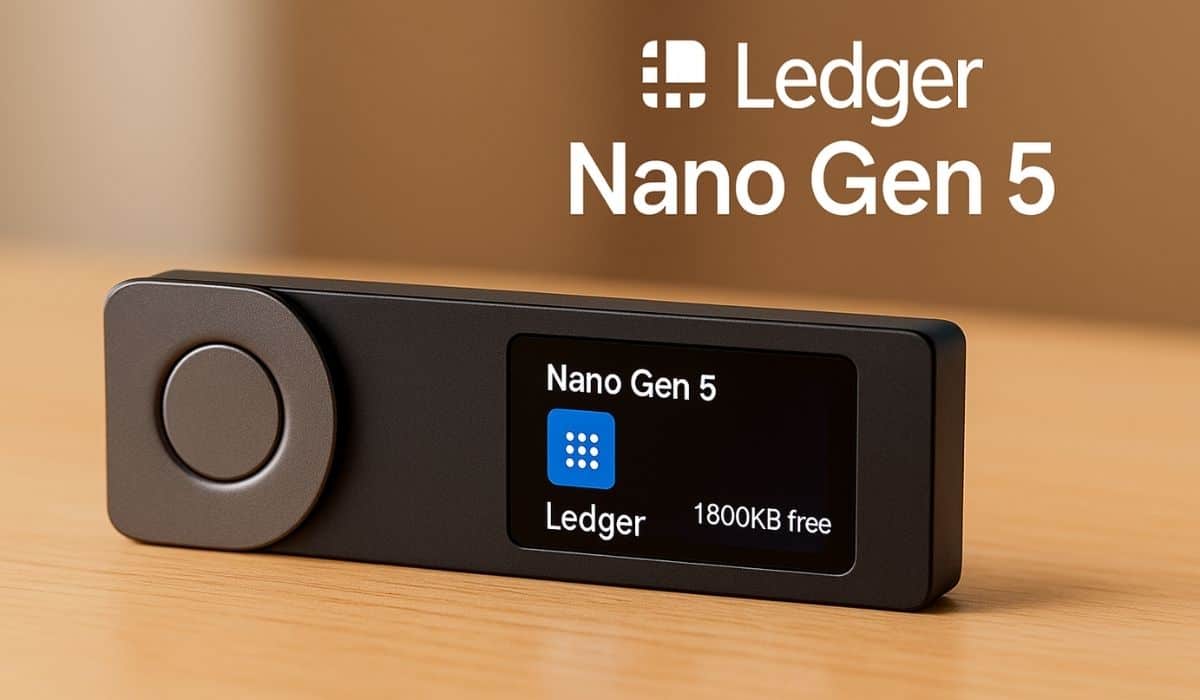
Available Models: Nano S Plus ($71.76), Nano X ($135.35), Flex ($226.18), Stax ($362.43)
Cryptocurrency Support: 5,500+ coins and tokens
Ledger stands out for its unrivaled compatibility, with native support for major assets like Bitcoin, Ethereum, XRP, and Solana. Its mobile app, staking features, and professional-grade security (Secure Element chips) make it the most complete offering for diverse portfolios. However, it is closed-source, and its reputation took a minor hit due to a past customer data leak (wallets were unaffected).
Best For: Users who want the broadest coin support and advanced functionality.
Trezor: Open-Source Security Leader
Available Models: Model One ($49), Model T ($129), Safe 3 ($79), Safe 5 ($169)
Cryptocurrency Support: 1,000+ coins and tokens
Trezor’s commitment to open-source software and transparent security processes make it the go-to choice for privacy-focused users. It supports major coins like Bitcoin, Ethereum, Dogecoin, and Cardano, and integrates seamlessly with Trezor Suite. However, limited support for newer coins may require third-party apps or upgraded models.
Best For: Security-focused users who value open-source architecture.
KeepKey: Large Display Budget Option
Price: $52.26
Cryptocurrency Support: 350 blockchains, 7,000+ assets
KeepKey is a value-for-money wallet with a large 3.12-inch screen. It integrates with ShapeShift and handles core assets like Bitcoin and Ethereum well. However, its lack of Bluetooth, limited portability, and lower coin support make it more suitable for desktop users with simpler needs.
Best For: Desktop-focused users who prefer a large, clear interface.
SafePal S1: Best Budget Choice
Price: $49.99
Cryptocurrency Support: Over 30,000 assets across 200+ blockchains
SafePal delivers exceptional support at a low price point. With no Bluetooth, USB, or WiFi connectivity, it remains fully air-gapped, making it a favorite for security purists. Backed by Binance, it supports all major tokens and even newer ecosystems. The QR-based transaction signing takes getting used to, but it’s a small tradeoff for high security and affordability.
Best For: Budget users who prioritize air-gapped, broad token support.
Understanding Support Types
Native Support: The hardware wallet’s official software (e.g., Ledger Live, Trezor Suite) handles the coin directly. This ensures a smooth, feature-rich, and secure experience.
Third-Party Support: You’ll use external wallet apps (like MetaMask or MyEtherWallet) to interface with the hardware wallet. Your private keys remain on the device, but the setup is more manual.
Future-Proofing Your Choice
For those thinking long-term:
-
Ledger Nano X ($135.35): Handles 5,500+ coins, mobile-ready
-
Ledger Stax ($362.43): Premium model with touchscreen and wireless charging
-
SafePal S1 ($49.99): Affordable, offline-secure, supports 30,000+ tokens
Mobile vs Desktop Considerations
-
Mobile-First Users: Choose Ledger Nano X (Bluetooth) or SafePal S1 (QR-code based)
-
Desktop Users: All wallets are usable, but KeepKey stands out for its large display
-
Hybrid Users: Ledger Nano X offers the most flexibility and ecosystem support
Security and Purchase Recommendations
Essential Security Practices
-
Buy direct from official manufacturers or certified partners
-
Check packaging for tamper-evident seals
-
Generate recovery phrases offline and never reuse them
-
Update firmware to stay protected and access new coin support
Red Flags to Avoid
-
Avoid eBay/Amazon sellers not listed as official resellers
-
Never use preloaded wallets with pre-generated phrases
-
Ignore too-good-to-be-true pricing from random vendors
-
Don’t trust devices with damaged or missing seals
Making Your Decision
For Bitcoin-Only: Any hardware wallet provides excellent security.
For DeFi Trading: Ledger or SafePal for best ERC-20/BSC token support
For Privacy Coins: SafePal S1 or prepare for third-party wallet integration.
For Maximum Coins: Ledger leads with 5,500+ supported cryptocurrencies
Conclusion
With institutional crypto custody services typically only an option for major investors, self custody is a much better option than leaving your assets on an exchange. The hardware wallet landscape in 2025 offers something for every type of crypto user. Ledger leads in total coin support, Trezor shines in transparency and security, and budget picks like SafePal provide impressive functionality without breaking the bank.
The big takeaway? Most top cryptocurrencies are universally supported, but beyond the top 10, compatibility varies widely. Your wallet choice should reflect your portfolio, usage habits, and security preferences. Ultimately, the best wallet is the one you’ll use consistently to protect your assets. Moving funds off centralized exchanges and into cold storage is still the most crucial step in securing your crypto future.