The Hidden Reason Companies Won’t Hire You After 40 (It’s Not What You Think)


Job seekers over 40 often face hidden age bias in hiring, even when their résumés show strong skills and results. Employers rarely admit to age discrimination directly, instead using coded terms like “overqualified” or “lacking recent experience.” Academic studies confirm systemic barriers that reduce callbacks and offers for older applicants, with financial and health coverage consequences during peak earning years. While legal protections exist, they are difficult to enforce, leaving job seekers to proactively counter stereotypes through skill refreshes, networking, and outcome-focused résumés.
- Hidden bias is systemic: Résumé audit studies (Neumark et al. 2017; NBER 2020) show callback rates drop sharply once age cues appear, even with identical qualifications.
- Employer assumptions hurt: Older applicants are seen as “expensive” or less adaptable, despite research showing training, not age, drives digital skill adoption.
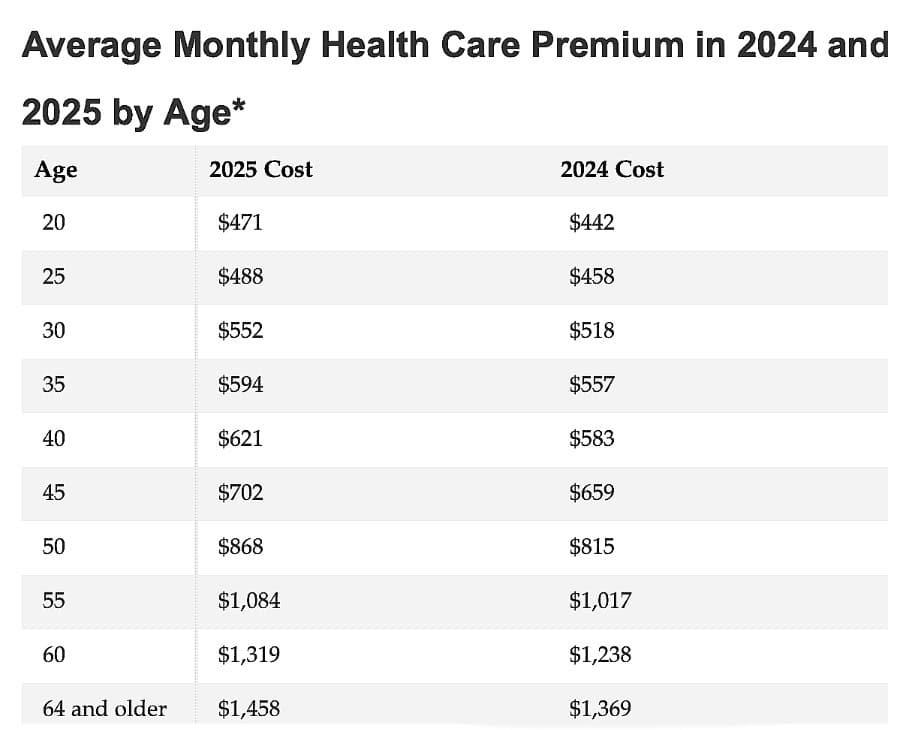
- Financial risks rise: Career stalls in the 40s–50s reduce retirement savings and often force reliance on costly ACA health plans averaging over $500/month in 2025.
- Legal protections are weak: The ADEA covers only employers with 20+ staff and requires high proof standards, making enforcement rare.
- Practical strategies help: Updating digital skills, networking across age groups, and framing experience in terms of problem-solving outcomes improve hiring odds.
Job seekers over 40 often notice a decline in interview requests, even when their résumés reflect decades of strong qualifications and proven results. Employers rarely admit to age bias openly. Instead, they use coded explanations such as being “overqualified,” or “lacking recent experience.” While these terms appear neutral, research shows they mask deeper stereotypes and systemic barriers.
The Myth of Being “Overqualified”
When employers describe a candidate as “overqualified,” it usually means they fear the applicant expects a higher salary, will quickly become dissatisfied, or may leave for a better opportunity. In reality, these assumptions are often baseless. Many mid-career professionals are motivated by stability, meaningful work, or career transitions rather than chasing the highest paycheck. The “overqualified” label often becomes an easy dismissal, sidestepping the real issue of age-related bias.
How Cost Perception Shapes Hiring Decisions
Another hidden layer is cost perception. Managers sometimes assume older candidates will demand more money, even when a job has a set salary range. This belief persists even though many applicants are fully prepared to accept the posted salary. The perception of being “expensive” becomes a barrier that prevents employers from fairly evaluating experience, skill, and value creation.
The Real Hidden Reason: Stereotypes About Adaptability
The deeper reason many employers hesitate lies in stereotypes around adaptability and technology. There’s a widespread, unspoken belief that older workers are slower to learn new systems, less flexible in work style, and more resistant to change. These assumptions often surface before skills are even tested, shaping hiring decisions from the earliest résumé screenings.
Evidence from Résumé Audit Studies
Academic research offers strong evidence of systemic discrimination:
-
Neumark, Burn, and Button (2017): This large-scale study sent nearly 40,000 fictitious résumés to real job ads. Callback rates for applicants aged 49–66 were significantly lower than for younger applicants. Older women applying for administrative jobs received about 47% fewer callbacks than younger women with identical résumés.
-
Meta-Analysis (2023): A comprehensive review of correspondence studies across multiple countries concluded that older applicants consistently faced discrimination, regardless of industry. Even when résumés were identical except for age markers, younger candidates were far more likely to advance.
-
NBER Study (2020): When résumés were anonymized and age cues hidden, older applicants advanced further in the hiring process. However, once age was revealed in interviews, their job offer rates dropped sharply. This demonstrates that the bias is triggered as soon as age becomes visible.
Together, these studies show that hiring barriers are not rooted in competence or performance but in employer perceptions tied to age cues such as graduation years or long work histories.
Employers Assume Resistance to Change
Managers often equate age with reduced flexibility. They may assume workers in their 40s, 50s, or 60s resist new processes, remote work setups, or digital collaboration tools. These stereotypes persist despite research showing no consistent correlation between age and adaptability. In fact, older professionals frequently succeed in environments requiring problem-solving, leadership, and resilience, skills that come from lived experience.
Bias About Tech and Flexibility
In technology-driven industries, age bias can be even stronger. Employers sometimes default to hiring younger candidates, assuming they will more easily master new digital platforms. Yet numerous workplace studies suggest that training, not age, determines digital skill acquisition. The perception gap continues to block older candidates from fair consideration.
The Financial Impact of Career Stalls After 40
The consequences of being overlooked extend far beyond the job search:
-
Retirement Savings Pressure: The 40s and 50s are peak earning and saving years. Missing even five years of retirement contributions can reduce retirement balances by six figures, especially when accounting for compound growth.
-
Health Insurance Considerations: Career instability often means losing employer-sponsored coverage. According to the Kaiser Family Foundation, the average monthly premium for a 45-year-old purchasing coverage through the Affordable Care Act marketplace exceeds $500 per month in 2025, not including deductibles and out-of-pocket costs. These expenses can severely disrupt financial security during career gaps.
Legal Protections: Limited and Hard to Enforce
While the Age Discrimination in Employment Act (ADEA) of 1967 technically prohibits age-based hiring discrimination against workers 40 and older, the law provides weaker protection than most people realize. The ADEA only applies to employers with 20 or more employees, leaving workers at smaller companies without any recourse.
More critically, proving age discrimination requires demonstrating that age was the primary reason for rejection, a much higher legal standard than other forms of workplace discrimination. Employers have become sophisticated at avoiding obvious age-related language, instead using coded terms like “overqualified” or “seeking fresh perspectives.”
The Equal Employment Opportunity Commission receives thousands of age discrimination complaints annually, but successful lawsuits remain rare and damages are limited. This enforcement gap explains why academic studies continue to document widespread hiring bias despite decades of legal prohibition. For job seekers over 40, the reality is that legal protections exist on paper but offer little practical recourse against the subtle, pervasive discrimination documented in the résumé audit studies presented above.
How to Improve Your Odds After 40
While systemic bias is real, job seekers can take proactive steps to counter stereotypes and strengthen their positioning:
-
Refresh Skills with Short Courses: Updating résumés with certifications in digital tools, project management, or industry-specific software sends a clear signal of adaptability. Affordable online programs from Coursera, edX, and LinkedIn Learning make this accessible.
-
Network Strategically Across Age Groups: Building connections with professionals across generations helps bypass biased applicant tracking systems and puts résumés in front of decision-makers. Younger contacts can also provide insights into evolving workplace cultures.
-
Reframe Experience as Problem-Solving Power: Instead of highlighting “20 years of experience,” frame expertise in terms of outcomes, examples where you saved money, prevented costly errors, or boosted performance. Employers respond to results, not résumé length.
Key Takeaways for Job Seekers Over 40
Academic evidence shows systemic age bias persists in hiring across industries. Employers often perceive older candidates as less adaptable or more costly, despite data showing these assumptions are unfounded. By actively updating skills, networking widely, and reframing experience as a problem-solving advantage, mid-career professionals can push back against stereotypes and improve their chances of securing meaningful work.