The CPN Scam Exposed: How Fraudsters Sell Stolen Social Security Numbers as ‘Legal’ Credit IDs

Published: Sep 23, 2025

4.8 min read

Updated: Dec 25, 2025 - 03:12:45

The CPN Scam Exposed: How Fraudsters Sell Stolen Social Security Numbers as 'Legal' Credit IDs
ADVERTISEMENT
Advertise with Us
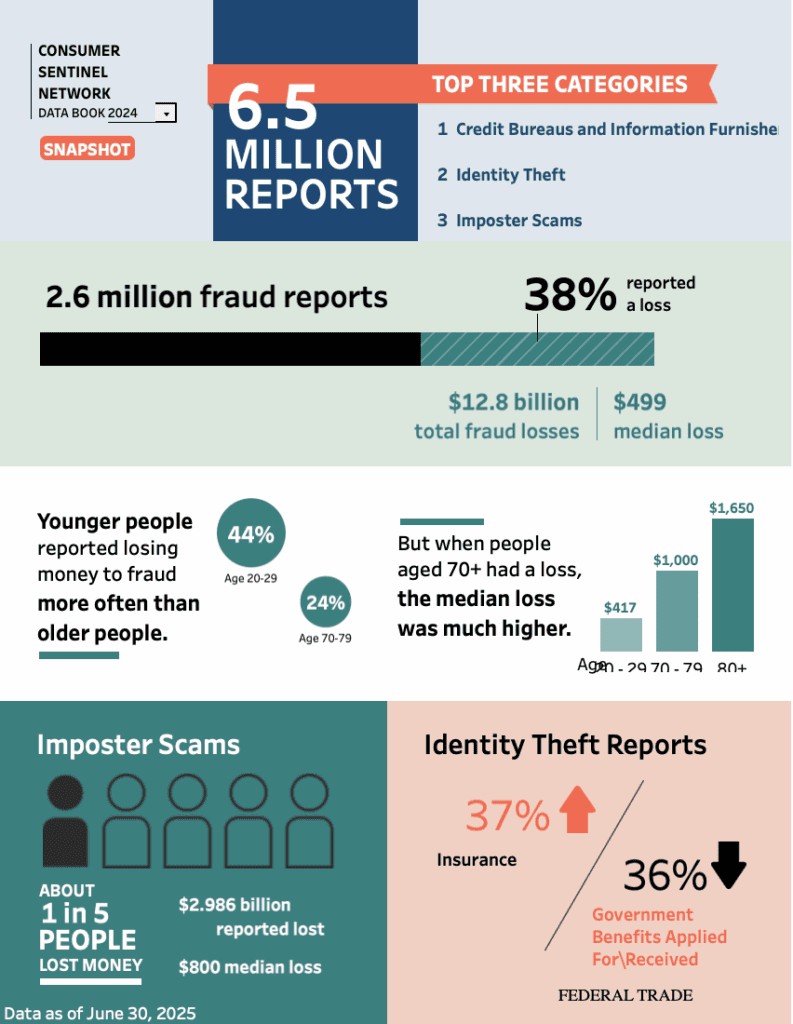
A Credit Privacy Number (CPN) is a nine-digit identifier marketed as a legal substitute for a Social Security Number (SSN) to rebuild credit, apply for loans, or secure housing. In reality, no U.S. government agency issues or recognizes CPNs.

They are either fabricated or stolen SSNs, often belonging to children, the elderly, or deceased individuals. Using a CPN on any financial form is considered fraud, exposing buyers and sellers to severe legal, financial, and personal consequences. Federal agencies, banks, and credit bureaus all treat CPNs as fraudulent, with potential penalties including denied credit, identity theft exposure, and even prison terms of up to 30 years.

  • No legitimacy: CPNs are either fake or stolen Social Security Numbers, never issued by the government.
  • High legal risk: Using or selling a CPN can trigger charges of identity theft, mail fraud, or wire fraud, carrying fines and prison sentences.
  • Financial fallout: Banks and credit bureaus reject CPNs, leaving applicants with denied credit, fraud flags, and long-term credit damage.
  • Common scam tactics: Fraudsters pose as credit repair firms, charge thousands, and falsely promise “instant approval.”
  • Safer path: Legitimate credit repair comes from timely payments, disputing errors, and using tools like credit freezes and fraud alerts, not shortcuts like CPNs.
A Credit Privacy Number (CPN) is a nine-digit number that is deliberately designed to look like a Social Security Number (SSN). Promoters claim it can serve as a replacement for an SSN when applying for credit, housing, or loans. In reality, no U.S. government agency issues or recognizes CPNs. Because these numbers appear “unused” in the credit system, they are marketed as fresh identities. In practice, however, CPNs are fraudulent and dangerous for both sellers and buyers.

Why CPNs Are a Scam

The core pitch behind CPNs is the promise of a financial reset. They are marketed to people struggling with poor credit histories, heavy debt, or bankruptcy. Scammers portray them as a legal loophole, an opportunity to “start fresh” with a new identity that can supposedly secure credit cards, car loans, or apartment leases. In reality, using a CPN on financial forms is a form of misrepresentation, and often outright identity theft. Buyers are not only left with wasted money, but they also face potential criminal charges.

How the Scheme Works

Stolen Social Security Numbers

A large portion of CPNs are derived from stolen SSNs. Criminals exploit numbers tied to individuals who are less likely to check their credit files regularly, such as children or deceased persons. These stolen identifiers are then repackaged as “credit privacy numbers” and sold to unsuspecting consumers who believe they are legitimate.

Sales Tactics and Misrepresentation

Fraudsters often pose as credit repair companies or financial consultants. They assure clients that CPNs are “legal” and even suggest that federal privacy laws protect their use. Some go as far as creating polished websites and professional-looking documents to lend credibility to their operation. Buyers are typically charged anywhere from several hundred to several thousand dollars, under the false guarantee of “instant approval” for credit. Instead, lenders reject applications containing CPNs, leaving consumers out of money and exposed to fraud investigations.

Legal Risks and Penalties

Using or selling CPNs can violate multiple federal laws. Offenses may include:

  • Identity Theft: Knowingly using another person’s SSN is a federal crime.

  • Mail Fraud: Submitting fraudulent credit applications through postal services falls under this statute.

  • Wire Fraud: Filing false information electronically, including through online credit applications, constitutes wire fraud.

Convictions under these statutes carry severe penalties, including fines, restitution orders, and prison sentences . Importantly, both the sellers who distribute CPNs and the buyers who knowingly use them can face prosecution. Courts have consistently upheld that no legal distinction exists between a “CPN” and an SSN when it comes to fraudulent intent.

Protecting Yourself Against CPN Fraud

The best defense against CPN scams is education and vigilance. If you’re trying to repair your credit and you encounter a company offering to sell you a new identity or credit profile, it is a red flag. Practical steps include:

  • Avoid services that promote CPNs. There is no legitimate substitute for a Social Security number.

  • Monitor your credit reports through all three major credit bureaus to detect unauthorized activity.

  • Use security measures such as credit freezes or fraud alerts to prevent fraudulent accounts from being opened in your name.

  • Report scams to federal authorities if you come across one. Agencies actively pursue cases of identity theft and fraud involving CPNs.

What To Do If You Have Already Used a CPN

If you have purchased or attempted to use a CPN, immediate action is critical:

  • Stop using the number at once to avoid compounding the fraud.

  • Review your credit reports for any accounts that may have been opened fraudulently.

  • File an identity theft report to establish a legal record of the issue.

  • Seek legal advice, especially if you have been contacted by lenders, law enforcement, or investigators. Legal counsel can help mitigate the risks and advise on next steps.

Final Takeaway

A CPN is not a financial tool, it is a scam that exploits people at their most vulnerable. Whether fabricated or stolen, these numbers have no legal standing and are considered fraudulent by every major U.S. institution. Using a CPN not only fails to solve credit problems but also creates new risks. The only safe and sustainable path to rebuilding credit is through legitimate means, timely repayment of debts, disputing inaccuracies on credit reports, and making responsible borrowing decisions. A “shortcut” like a CPN promises freedom but delivers only danger.


For a full overview of Social Security benefits, rules, and common questions, see our Social Security Explained guide.

ADVERTISEMENT
Advertise with Us

Related Posts
Other News

ADVERTISEMENT
Advertise with Us

Tags