Should You Use Open Banking? A Practical Decision Guide


Open banking isn’t inherently good or bad, it’s a tool. Whether you should use it depends on your financial needs, privacy comfort level, and whether specific services deliver enough value to justify sharing your financial data. For some, open banking simplifies money management, improves access to credit, or speeds up applications. For others, it adds complexity without meaningful benefit. The right choice is a deliberate one: understand the tradeoffs, evaluate individual providers, and only grant access when the benefit is clear and limited to your purpose.
- Start with a clear goal: Open banking makes sense if you need account aggregation, faster loan or mortgage applications, or fairer credit assessments, less so if your finances are already simple and well-managed.
- Evaluate services, not the concept: Check regulatory authorization, reputation, and privacy terms; avoid providers with vague data-use policies or unnecessary permissions.
- Match permissions to purpose: Read-only access for budgeting or time-limited access for applications is usually reasonable; broader or ongoing access requires stronger justification.
- Weigh privacy vs. value: Financial data is sensitive, if the service doesn’t deliver ongoing, tangible benefits, revoke access or don’t connect in the first place.
- Consider starting small: Test open banking with a single account or one-time use to see if the real-world benefits outweigh the added complexity for you.
After understanding what open banking is, how it works technically, what permissions it involves, what risks exist, and how regulations protect consumers, a practical question remains: should you actually use it? The answer isn’t universal. It depends on your specific financial situation, your comfort with technology and data sharing, the particular services you’re considering, and whether the benefits they offer outweigh the complexity and considerations they introduce.
This isn’t about whether open banking is “good” or “bad” in the abstract. It’s about making an informed decision for your circumstances, understanding the tradeoffs involved, and knowing how to evaluate whether specific open banking services merit your trust and engagement.
Starting With Your Actual Needs
Before deciding whether to use open banking, clarify what problem you’re trying to solve or what goal you’re trying to achieve. Open banking is a means to various ends, not an end in itself. The starting question isn’t “should I use open banking?” but rather “what am I trying to accomplish, and might open banking services help?”
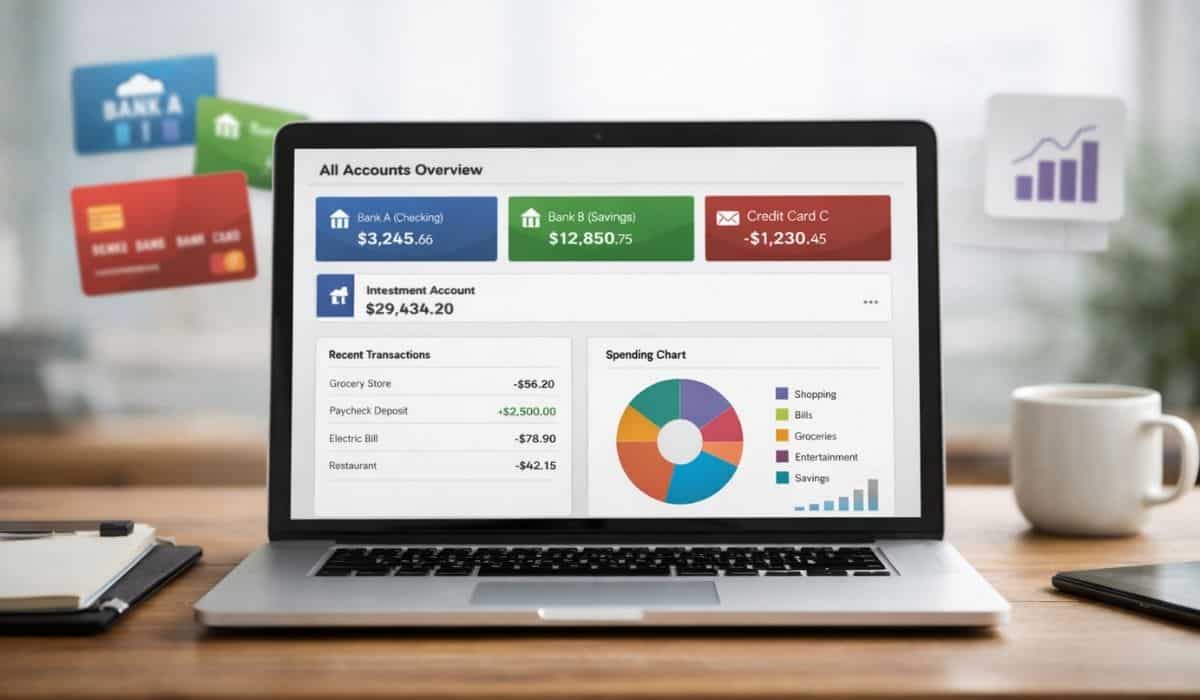
Consider whether you struggle to track spending across multiple accounts. Do you find yourself logging into three or four different banking apps just to understand your current financial position? Are you surprised by how much you’ve spent in various categories because you lack visibility across accounts? If fragmented financial information creates genuine difficulty in managing money, account aggregation services built on open banking directly address this problem.
Perhaps you find comparing financial products laborious and time-consuming. When seeking loans, mortgages, or savings accounts, do you face tedious application processes requiring manual entry of the same information multiple times? Open banking streamlines processes such as checking credit scores or comparing financial products, potentially making it easier to find competitive options and move between providers.
Maybe you’ve been declined for credit despite having the means to repay, possibly because your financial profile doesn’t fit traditional lending criteria. Giving banks and credit providers access to transaction data enables more informed lending decisions, potentially making it easier to find cost-effective credit and competitive borrowing rates, particularly for people with non-traditional financial histories.
If none of these scenarios resonates, if you’re satisfied with your current banking arrangements, don’t need aggregation, aren’t actively seeking new financial products, and feel confident in your financial management, open banking might not offer compelling benefits. Not using open banking is a perfectly valid choice when your current approach meets your needs.
Evaluating Specific Services
Assuming you’ve identified a potential benefit, the next step is evaluating particular services. Not all open banking providers are created equal, and the decision to use open banking should really be a decision about specific services rather than open banking in the abstract.
Start with authorization and regulation. In the UK, check the regulated providers registry to confirm services are properly authorized. In the EU, verify authorization through national financial regulators. In the US as regulations develop, look for services that demonstrate compliance with emerging standards. Unauthorized services operating outside regulatory frameworks should be avoided regardless of claimed benefits.
Examine the provider’s reputation and track record. How long have they been operating? Do they have substantial user bases and positive reviews? Can you find independent assessments of their security practices and data handling? Large, established services with transparent operations and regulatory compliance histories present different risk profiles than newly launched services with limited track records.
Read the privacy policy and terms of service, actually read them, not just click “accept.” What data is the service requesting access to? What will they do with that data? How long will they retain it? Will they share it with other parties? Will they use it for purposes beyond the stated service, such as marketing or analytics? Services that are transparent about data practices and minimize secondary uses deserve greater trust than those with vague policies or extensive data monetization.
Consider the security measures the service implements. Do they support strong authentication? Do they encrypt data in transit and at rest? Have they undergone independent security audits? Do they have clear incident response procedures? While you can’t evaluate security perfectly from outside, services that discuss security transparently and implement industry best practices provide more confidence than those that treat security as an afterthought.
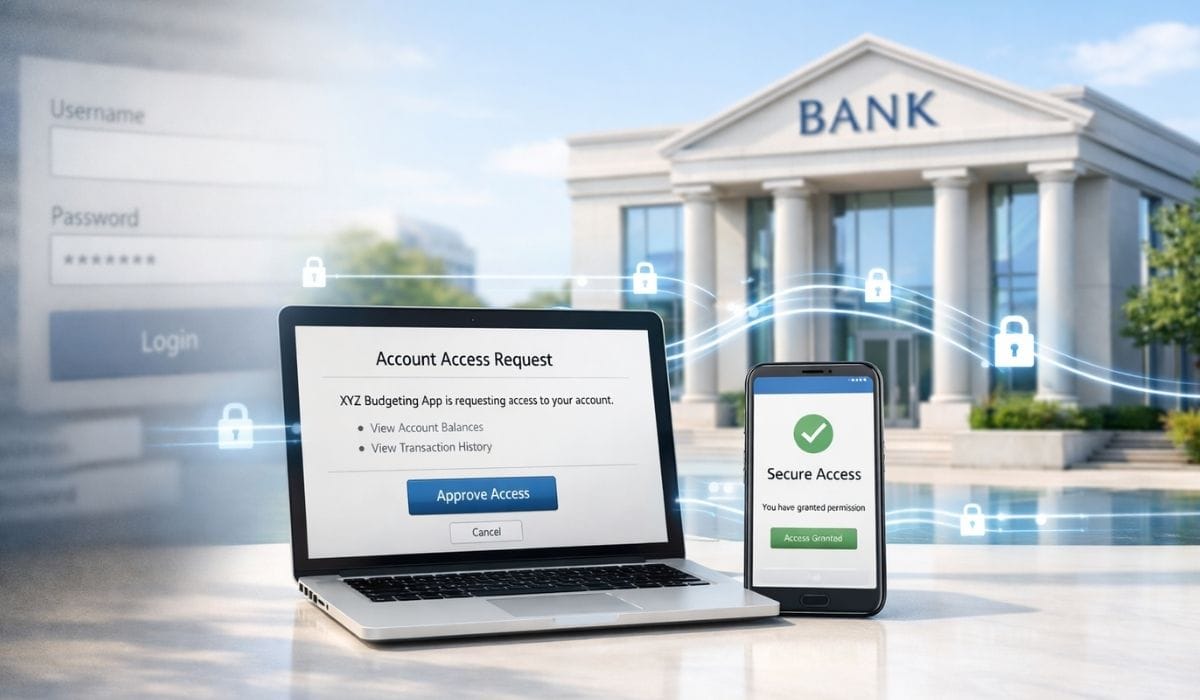
Assess whether the requested permissions align with the service’s stated purpose. A budgeting app that needs read-only access to transaction history from your checking account makes sense. The same app requesting payment initiation capabilities or access to accounts you don’t use for regular spending should prompt questions about why those additional permissions are necessary.
Understanding the Personal Data Tradeoff
Open banking inherently involves sharing financial data with third parties. For some people, this tradeoff is straightforward, the service provides clear value, the data being shared is limited and relevant, and the provider appears trustworthy. For others, any financial data sharing beyond their primary bank feels uncomfortable regardless of potential benefits.
Neither perspective is wrong. They reflect different personal values around privacy, different levels of comfort with technology, and different assessments of risk versus reward. Understanding your own position helps frame the decision appropriately.
Consider your general approach to data sharing. Do you use social media platforms, shopping apps, or streaming services that collect substantial data about you? If so, you’ve already decided that certain data sharing is acceptable in exchange for services you value. Financial data is more sensitive than entertainment preferences, but the principle, trading some privacy for functionality, is similar.
Alternatively, do you actively minimize your digital footprint, avoid services that monetize personal data, and prefer direct relationships with institutions you trust? If so, your threshold for acceptable data sharing is higher, and open banking services would need to provide substantial, clear value to merit consideration. There’s no shame in deciding that the privacy tradeoff isn’t worth it for your situation.
Financial data reveals patterns that some people consider highly private, where you shop, what you spend on, income sources, spending habits. If this information feels particularly sensitive to you, limiting open banking usage to specific, high-value applications rather than comprehensive aggregation might be appropriate. You could use open banking for a one-time mortgage application where transaction verification provides value, without maintaining ongoing authorizations for aggregation services.
Assessing Your Technical Comfort
Open banking requires navigating authentication flows, managing authorizations, reviewing consent screens, and monitoring which services have access to which accounts. While these processes have become more user-friendly, they still require more active engagement than simply using your bank’s own services.
If you’re comfortable with technology, if you manage multiple online accounts, use apps regularly, understand concepts like two-factor authentication, and feel confident troubleshooting when things don’t work as expected, the technical aspects of open banking likely won’t present significant barriers. The authorization flows, consent dashboards, and permission management will feel familiar and manageable.
If technology frustrates you, if you prefer simple, straightforward interfaces, if complexity in digital services creates anxiety rather than empowerment, open banking might introduce friction that outweighs its benefits. This doesn’t mean you can’t use open banking, but it means choosing services with particularly clear, simple user experiences and perhaps limiting usage to specific applications rather than adopting multiple services.
Consider also your capacity for ongoing management. Open banking authorizations need periodic renewal, ideally regular review, and occasional troubleshooting when connections fail or data doesn’t sync properly. If you’re willing to invest time in actively managing these aspects, open banking can work well. If you prefer set-it-and-forget-it solutions, the ongoing maintenance requirements might make open banking less attractive.
The Specific Use Case Matters
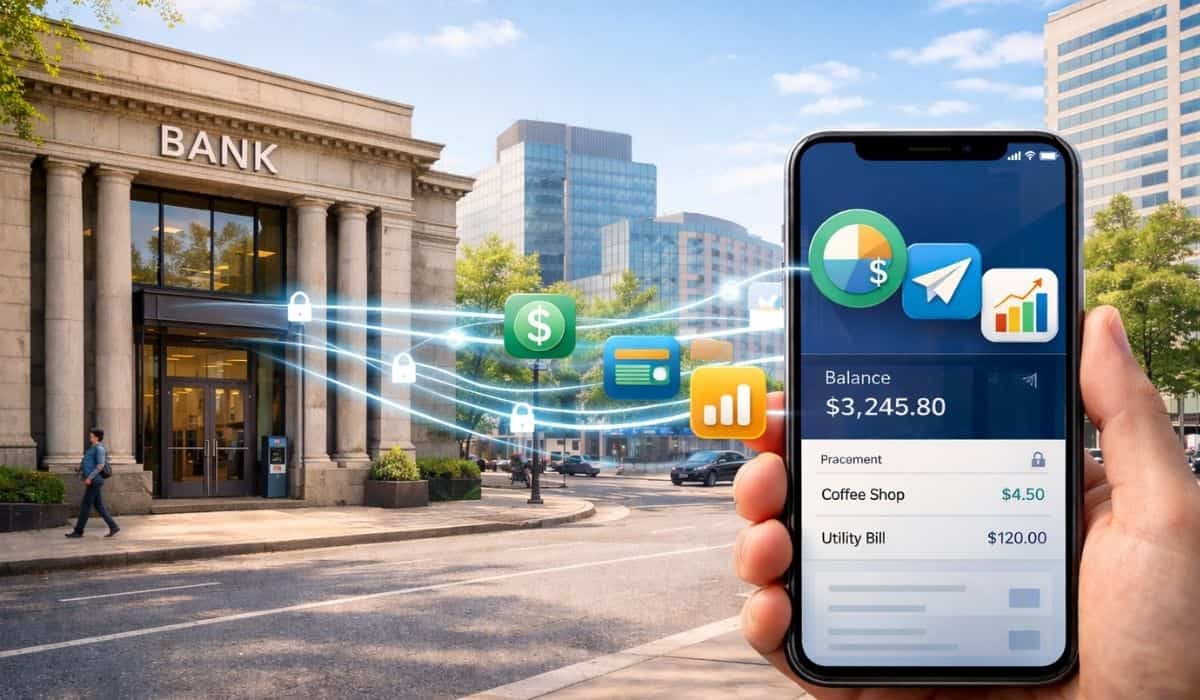
Different open banking applications involve different risk-benefit calculations. Using open banking to pay taxes to HMRC or utility bills involves payment initiation with clear, specific purposes and established government or utility providers. This presents a relatively low-risk, high-convenience scenario where open banking offers genuine value, faster payment processing, no need to enter card details, reduced fraud risk.
Connecting a budgeting app to track spending across multiple accounts involves ongoing read-only access to transaction data. The value depends on whether you actually use the budgeting insights the app provides. If you check the app weekly, adjust spending based on its analysis, and find it helps you make better financial decisions, the ongoing data sharing is justified by ongoing value. If you connect it, look once, and never return, the authorization lingers without providing benefit.
Using open banking for mortgage applications or loan comparisons involves sharing substantial financial history for specific, time-limited purposes. Unlocking financial data simplifies and speeds up the mortgage application process without needing piles of physical bank statements. This represents a middle ground, more data sharing than paying a bill, but for a clear purpose with defined endpoints rather than indefinite ongoing access.
Services that combine your financial data with other information, spending patterns with shopping recommendations, transaction history with lifestyle apps, venture into more complex territory where the value proposition becomes less clear and the potential for secondary data uses increases. These require particularly careful evaluation of whether the proposed benefits justify the expanded data sharing and whether the provider’s data practices merit trust.
Testing the Waters: Starting Small
If you’re uncertain about open banking but curious about potential benefits, starting small provides a way to gain experience without extensive commitment. Consider beginning with a single, limited authorization rather than comprehensive aggregation across all accounts and services.
You might connect one checking account to a budgeting app for a month and see whether you actually use the insights it provides. This tests the concept with limited scope, if you find value, you can expand; if not, you revoke access having learned without extensive exposure.
Alternatively, use open banking for a one-time purpose like a loan application or product comparison. This provides experience with the authorization process, lets you see how open banking works in practice, and delivers concrete value through a specific transaction without creating ongoing authorizations you need to manage.
Pay attention to your experience during these tests. Does the authorization process feel secure and trustworthy, or does something about it create unease? Do you actually use the service as intended, or does it languish unused? Does having the connection active create anxiety, or do you forget about it after the initial setup? Your emotional and practical responses provide guidance about whether broader open banking adoption makes sense for you.
When Not to Use Open Banking
Certain circumstances argue against open banking usage regardless of potential benefits. If you’re already struggling with technology, adding complexity through open banking authorizations and management likely creates more problems than it solves. Traditional methods, manually tracking spending, downloading statements, using only your bank’s own services, might be less efficient but more sustainable for your situation.
If you’re in a vulnerable situation where data security is paramount, perhaps you’re escaping an abusive relationship, have stalkers or safety concerns, or work in sensitive fields where financial privacy is critical, the expanded data sharing in open banking presents risks that likely outweigh standard benefits. In such cases, minimizing your digital and data footprint generally, not just avoiding open banking, would be prudent.
If you don’t trust the available services or if providers serving your region lack regulatory oversight and consumer protections, waiting until more trustworthy options emerge makes sense. Open banking in well-regulated jurisdictions with established providers is very different from open banking in regions where regulatory frameworks are immature and provider quality varies dramatically.
Making an Active Choice
The decision about whether to use open banking should be active and conscious rather than passive. Don’t authorize services simply because prompts make it easy or because “everyone else is doing it.” Don’t avoid open banking out of vague unease without understanding what you’re foregoing. Make deliberate decisions based on your specific situation, needs, and comfort level.
For many people, selective open banking usage makes sense, connecting specific services that provide clear value, limiting authorizations to necessary accounts and data types, actively managing permissions, and periodically reviewing whether ongoing access remains justified. This middle path allows capturing benefits while maintaining appropriate control and limiting exposure.
Others might embrace open banking more fully, using comprehensive aggregation and multiple services, comfortable with the data sharing involved and confident in their ability to manage the complexity. This approach maximizes potential benefits but requires ongoing engagement and willingness to navigate the evolving ecosystem.
Still others might legitimately conclude that open banking doesn’t offer sufficient value for them to justify the considerations it introduces. Perhaps their financial life is simple enough that aggregation provides minimal benefit, or their privacy preferences make any financial data sharing beyond their primary bank unacceptable, or they simply prefer traditional approaches to managing money. This is a valid choice, not a failure to embrace innovation.
Looking Forward
As open banking matures and expands into open finance, the decision calculus will evolve. Services will become more sophisticated, offering capabilities impossible without comprehensive financial data access. Regulations will strengthen consumer protections and clarify rights. User experiences will improve as providers learn from early implementations and competition drives refinement.
The expanding scope from transaction accounts to broader financial services, pensions, investments, insurance, will raise the stakes of the decision. Sharing comprehensive financial pictures provides opportunities for holistic financial management and personalized advice, but it also amplifies privacy considerations and increases complexity of managing authorizations across multiple product types.
Staying informed about developments in open banking and open finance, understanding changes to regulatory protections in your jurisdiction, and periodically reassessing your approach as your financial situation and available services evolve helps ensure your decisions remain appropriate over time.
The fundamental question, should you use open banking? doesn’t have a single answer. It has your answer, based on your situation, needs, comfort level, and judgment about specific services. By understanding what open banking offers, what it requires, what protections exist, and what risks remain, you can make informed decisions that serve your interests.
Sometimes that means embracing open banking enthusiastically. Sometimes it means selective, limited usage. And sometimes it means thoughtfully choosing not to use it at all. All of these can be right depending on circumstances, and knowing which is right for you represents successful engagement with the questions open banking raises.