Mobile Banking Security: What Your Bank Does (and Doesn’t) Protect You From


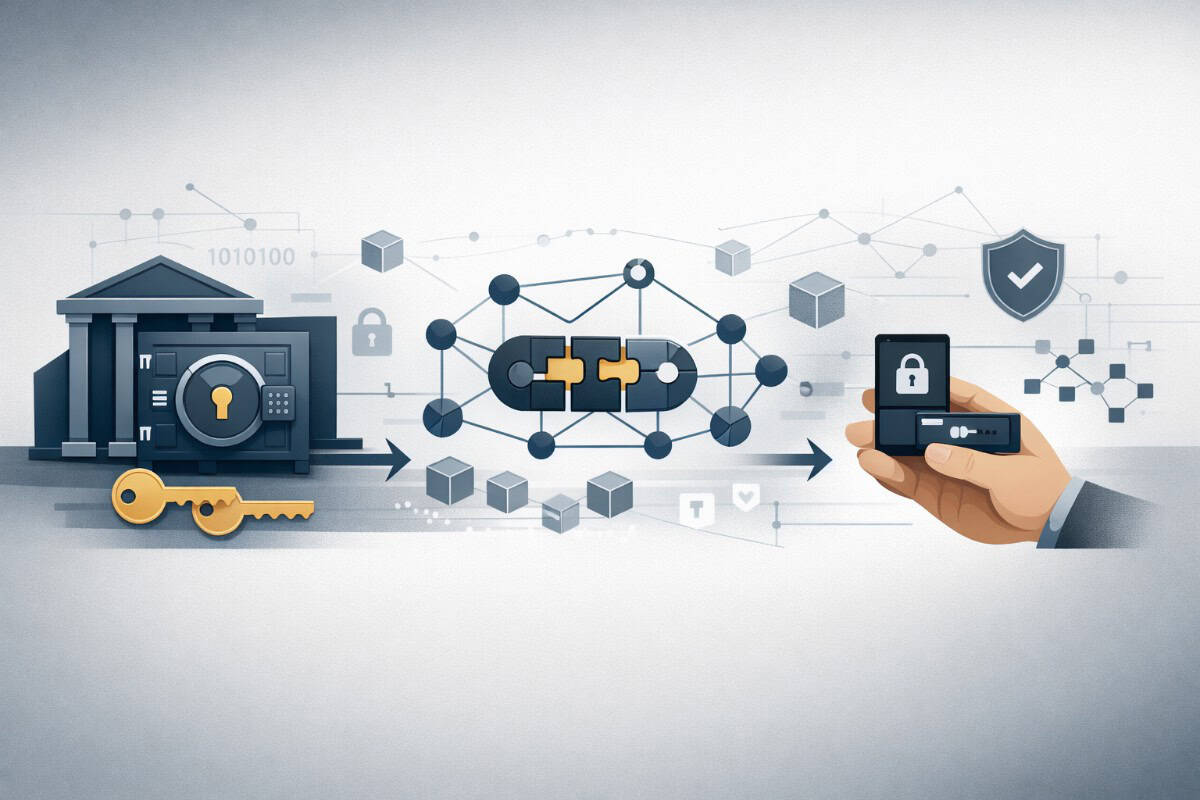
Mobile banking is now the primary way Americans manage money, but its safety depends on a shared-responsibility model. Banks secure apps with encryption, biometrics, and fraud monitoring, which block most unauthorized attacks. However, scams that trick users into sharing access, SIM-swap fraud, device malware, and fake apps remain outside banks’ full control. Legally, protections are strongest for credit cards and weakest for debit accounts, and reimbursement often hinges on whether a transaction is deemed “unauthorized.” In practice, customers who use basic security hygiene and report issues quickly are usually protected; those who share codes or ignore warnings face greater risk.
- What banks secure well: Mobile apps use 256-bit encryption, multi-factor authentication, biometrics, and real-time fraud detection to stop most password theft and account takeovers.
- What banks can’t fully stop: Social engineering scams, SIM-swap attacks at mobile carriers, advanced banking malware, and users voluntarily sharing credentials.
- Who pays when fraud happens: Credit cards have strong federal protections under the Fair Credit Billing Act; debit cards fall under the Electronic Fund Transfer Act, where liability rises if reporting is delayed.
- FDIC limits: FDIC insurance covers bank failure up to $250,000, not fraud losses from hacked or scammed accounts.
- How consumers reduce risk: Keep phones updated, avoid public Wi-Fi for banking, download apps only from official sources, monitor accounts daily, and never share authentication codes.
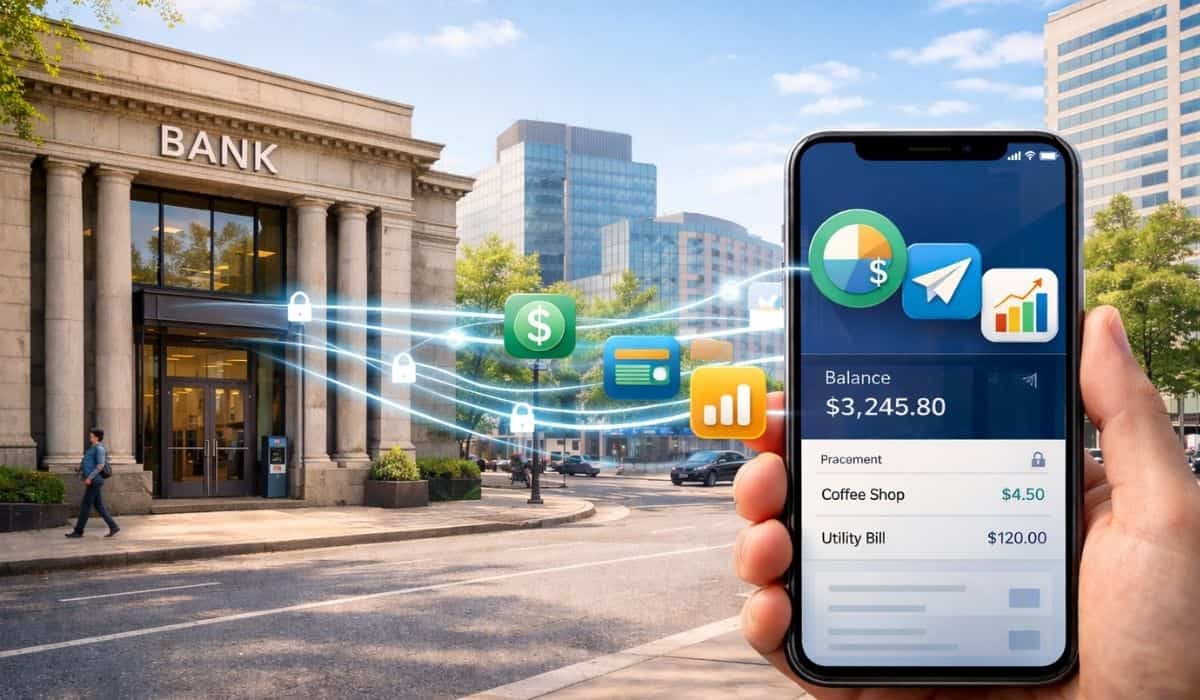
More than 60% of American consumers now use mobile apps to manage their banking activities, making smartphones the most common access point for checking balances, transferring money, and depositing checks. The convenience is undeniable, deposit checks by photo, move funds instantly, and monitor spending in real time from a device in your pocket. But concentrating financial access on smartphones creates a high-value attack surface that cybercriminals increasingly target, with well over half of banking fraud now occurring through digital channels, including mobile devices.
The security question confronting banking customers is not whether mobile banking is “safe” in an absolute sense, it is understanding what protections exist, where vulnerabilities remain, and who bears responsibility when security fails. Banks have invested heavily in mobile security, deploying encryption, biometric authentication, device verification, and real-time fraud monitoring that materially reduce risk. But these safeguards are not foolproof, and the boundaries between bank responsibility and customer responsibility remain complex, situational, and often poorly understood by consumers.
What Banks Actually Secure
Modern mobile banking apps employ multiple layers of security that genuinely make unauthorized access difficult for most attackers. Banks universally use 256-bit encryption, the same standard used by military and intelligence agencies, to protect data transmission between your phone and bank servers. This means that intercepting your mobile banking traffic yields encrypted gibberish rather than readable account information or passwords.
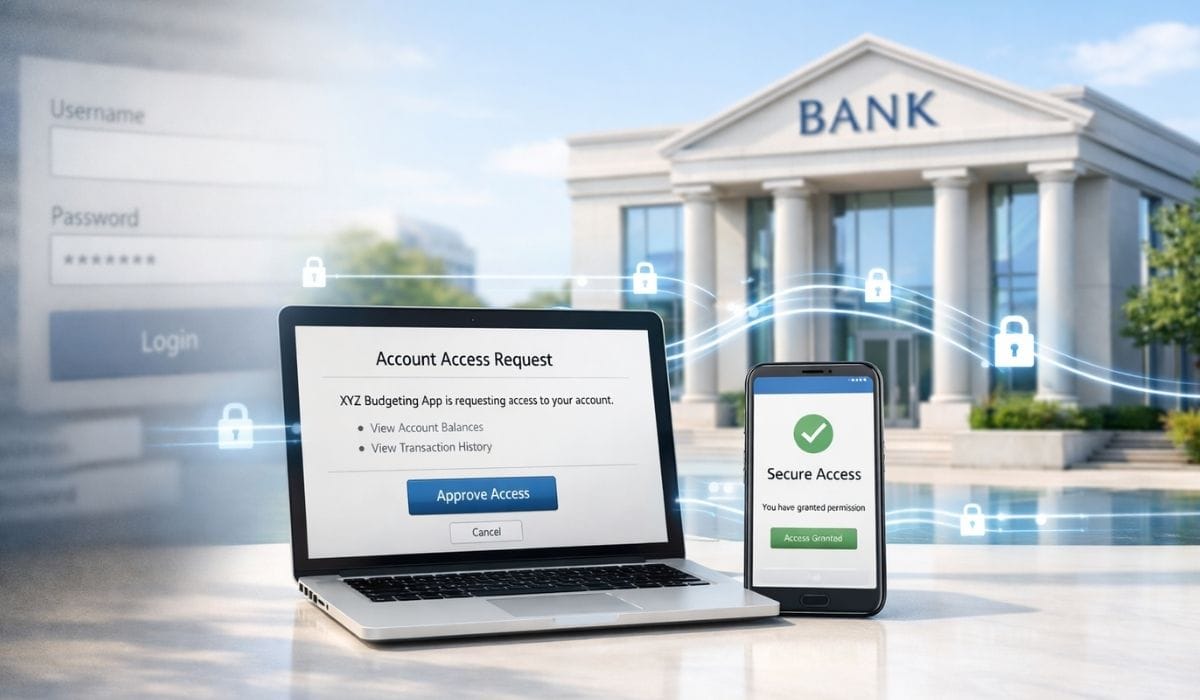
Multi-factor authentication has become standard across major banks, requiring not just your password but also a second verification factor, typically a code sent via text message, email, or generated by an authentication app. This significantly raises the bar for account takeovers, as attackers need both your password and access to your second factor. Biometric authentication using fingerprints or facial recognition adds another layer, leveraging biological characteristics that are far harder to steal or replicate than passwords.
Fraud monitoring algorithms run continuously in the background, analyzing transaction patterns for anomalies that might indicate unauthorized access. If your account suddenly shows logins from a new device in a different state, or transactions at merchants you’ve never used before, the bank’s systems flag these activities for review. Many banks now use machine learning models that compare current behavior against your historical patterns, identifying deviations that might escape rules-based systems.
These protections work remarkably well against opportunistic attacks and standard fraud scenarios. The typical stolen password alone won’t grant access to your account if multi-factor authentication is enabled. An attacker who obtains your credit card number through a data breach can’t use it to access your mobile banking app. Standard malware that might compromise web browsing doesn’t automatically give attackers access to banking apps protected by app-specific security measures.
However, these security layers protect against specific threat models while leaving other vulnerabilities unaddressed. Understanding what banks don’t protect against reveals where customer vigilance becomes critical.
The Threats Banks Can’t Fully Stop
The most sophisticated mobile banking attacks exploit the weakest link in security systems: human behavior. Social engineering attacks, where criminals manipulate victims into voluntarily providing access, bypass technical protections entirely. A 2025 case study documented an Australian man who lost $35,000 after receiving a convincing phone call from someone claiming to be his bank’s fraud department. The caller used publicly available information to seem legitimate and persuaded the victim to share authentication codes, granting full account access.
Banks cannot prevent users from voluntarily handing over credentials or authentication codes to scammers, no matter how robust their technical security. The bank’s perspective is that you authorized the transactions by providing the codes, even though you were deceived into doing so. This creates a fundamental tension: technical security protects against unauthorized access, but determining what constitutes “authorized” depends heavily on who initiated the action and whether deception was involved.
SIM swapping attacks represent another category where bank security measures prove insufficient. Attackers convince mobile carriers to transfer your phone number to a new SIM card they control, giving them the ability to intercept text message authentication codes. Once they have your phone number and your password (obtained through phishing or data breaches), they can access accounts despite multi-factor authentication. Banks have limited ability to prevent SIM swaps, which happen at the carrier level, though some now send alerts through multiple channels when account changes are attempted.
Malware specifically designed to target banking apps poses escalating threats that evolve faster than defensive measures. Research in 2023 identified 29 malware families targeting 1,800 mobile banking apps, with monitoring of millions of devices finding that 9% had been affected by malware. Banking trojans use screen-sharing technology to remotely access and manipulate devices, allowing attackers to conduct unauthorized transactions while bypassing app-based security.
The Hook malware family exemplifies the sophistication of current threats. It uses legitimate screen-sharing capabilities maliciously, gaining remote control of infected devices to execute transactions that appear to originate from the legitimate user’s phone. The malware can disable security controls, insert itself into transaction flows, and manipulate what users see on their screens. From the bank’s perspective, transactions appear to come from the correct device using valid credentials, distinguishing legitimate use from malware-driven fraud becomes nearly impossible in real-time.
The Liability Question: Who Pays for Fraud
Understanding mobile banking security requires confronting the practical question of financial responsibility when fraud occurs. Legal and contractual frameworks establish baselines, but actual outcomes depend heavily on specific circumstances and how well you can document that you didn’t authorize transactions.
For credit cards, federal law provides strong consumer protections. The Fair Credit Billing Act limits your liability for unauthorized credit card charges to $50, and most issuers provide zero-liability policies. Debit cards have weaker legal protections under the Electronic Fund Transfer Act, your maximum liability for unauthorized debit transactions can reach $500 if you don’t report them within two days of discovering the loss, and unlimited if you wait more than 60 days.
However, these protections apply only to “unauthorized” transactions. If you voluntarily provided your password and authentication codes to a scammer, the bank may argue that you authorized the transactions even though you were deceived. Banks make individual determinations about fraud claims, examining evidence of how access was obtained and whether you followed reasonable security practices.
FDIC insurance protects against bank failure, not fraud or unauthorized transactions. This critical distinction confuses many consumers. If your FDIC-insured bank collapses, your deposits are protected up to $250,000. If someone drains your account through fraud, FDIC insurance doesn’t apply, resolution depends on the bank’s fraud policies and your ability to demonstrate the transactions were unauthorized.
The practical reality is that major banks typically reimburse fraud victims when unauthorized access can be reasonably established, as maintaining customer trust outweighs the cost of individual fraud cases. However, banks are less generous when evidence suggests customer negligence contributed to the fraud, such as writing passwords on notes attached to phones, sharing authentication codes with third parties, or ignoring multiple security warnings.
This creates pressure on customers to document their security practices. If you report fraud immediately upon discovery, can show you used security features properly, and there’s no evidence you voluntarily shared credentials, banks usually side with you. If you delayed reporting, ignored security warnings, or your account shows suspicious activity you should have noticed weeks earlier, banks become skeptical.
Public WiFi and Network Vulnerabilities
Mobile banking over public WiFi networks represents a specific vulnerability that customer behavior can either mitigate or exacerbate. Unsecured public networks allow attackers positioned on the same network to potentially intercept traffic or deploy “Evil Twin” attacks where fraudulent networks mimic legitimate ones.
Banks employ HTTPS encryption for all mobile app communications, creating an encrypted tunnel between your device and bank servers that should protect against most network-level interception. However, vulnerabilities can arise through compromised devices, outdated apps that don’t properly implement encryption, or sophisticated attacks that exploit implementation flaws.
The safest practice is avoiding mobile banking over public WiFi entirely, using cellular data connections instead. Cellular networks employ encryption and authentication that makes interception substantially harder than WiFi. For those who must bank over WiFi, using a reputable VPN service adds an additional encryption layer that protects all traffic regardless of application-specific security.
Many security experts argue that public WiFi fears are somewhat overblown given modern encryption standards, but the risk isn’t zero and the cost of avoidance is minimal. Switching from WiFi to cellular data when opening your banking app requires literally two seconds and eliminates an entire category of potential attacks. The paranoia-to-effort ratio makes this one of the easiest security practices to adopt.
Fake Apps and Update Scams
The proliferation of fake banking apps represents a persistent threat where customer vigilance is the primary defense. The FBI reported nearly 65,000 fake bank apps in major app stores, designed to mimic legitimate banking applications. After victims enter their credentials, these fake apps display error messages while silently transmitting login information to attackers.
Official app stores provide substantial but not absolute protection. Apple’s App Store uses more restrictive review processes than Google Play, creating a higher barrier to fake apps but not an impenetrable one. Even with legitimate apps, update notifications can be spoofed through malware that overlays fake update screens prompting users to download compromised versions.
The defensive measure is straightforward but requires discipline: only download banking apps using links from your bank’s official website, and only download updates through official app store update mechanisms. Never follow links from emails, text messages, or social media posts claiming to be from your bank, even if they look legitimate. Attackers excel at creating visually convincing imitations that differ from genuine communications only in subtle URL details that most people don’t scrutinize.
Checking developer information before downloading provides additional verification. Your bank’s app should list your bank as the developer and show millions of downloads with thousands of reviews. A fake app might have a similar name but show a different developer, recent publication date, and few downloads or reviews. Taking 30 seconds to verify these details before entering credentials prevents devastating fraud.
Device Security as Banking Security
Mobile banking security extends beyond the banking app itself to the security of your entire device. A compromised phone allows attackers to access banking apps regardless of how robust the app’s security might be. This means device security practices directly impact banking safety.
Basic device security includes keeping operating systems and apps updated, as updates patch vulnerabilities that attackers exploit. Installing security updates within days of release eliminates known attack vectors. The cost is occasional inconvenience; the benefit is closing security holes before they’re exploited.
Strong device PINs or passwords prevent unauthorized access if your phone is lost or stolen. Biometric authentication provides convenience without sacrificing security. Enabling remote wipe capabilities through Find My iPhone or Android Device Manager allows you to remotely erase your phone if it’s stolen, protecting banking credentials and other sensitive data.
App permissions deserve scrutiny. Banking apps require certain permissions to function, camera access for check deposits, notification permissions for alerts, but malware apps request permissions unrelated to their purported function. A flashlight app requesting access to contacts, location, and SMS messages likely has malicious intent. Reviewing and limiting app permissions reduces the attack surface available to malware.
Antivirus software for smartphones provides another layer of defense, though its effectiveness is debated among security experts. iOS’s closed ecosystem and app review process provide inherent malware protection, making dedicated antivirus software arguably unnecessary. Android’s more open ecosystem and varied security update timelines create more opportunities for malware, making antivirus software potentially worthwhile for Android users, particularly on older devices no longer receiving security updates.
Behavioral Security Practices
Technical security measures work only when paired with security-conscious behavior. Studies indicate that user awareness and preventive action can block up to 90% of mobile banking fraud attempts before money is lost. This suggests that behavioral defenses often matter more than technical ones.
The fundamental principle is skepticism toward unsolicited communications. Banks don’t send emails or text messages requesting passwords, account numbers, or authentication codes. Any communication asking for these things is fraudulent, regardless of how legitimate it appears. This simple rule, consistently applied, blocks most phishing attempts.
Monitoring account activity daily allows quick fraud detection. The sooner you identify unauthorized transactions, the stronger your position for getting reimbursed and the faster your bank can freeze the account and prevent additional losses. Setting up transaction alerts that notify you immediately of all account activity creates real-time awareness without requiring manual checking.
Password hygiene matters despite biometric authentication reducing its daily importance. Use strong, unique passwords for banking apps that you don’t reuse elsewhere. Password managers simplify this by generating and storing complex passwords securely. If a data breach at an unrelated website compromises your password, having unique passwords for banking prevents that breach from cascading into bank account access.
Avoiding oversharing on social media reduces social engineering risks. Posting about your bank, your travels, your recent purchases, or other personal details gives attackers information they can use to craft convincing impersonation attempts. The security question “What’s your mother’s maiden name?” becomes worthless when you’ve posted family photos with captions on Facebook.
The Shared Responsibility Reality
Mobile banking security operates under a shared responsibility model where banks provide technical protections and fraud detection while customers must exercise reasonable caution in their behavior and device security. This division isn’t always clear or fair, but it reflects the practical limits of what banks can control.
Banks can encrypt data transmission, but they can’t prevent you from volunteering your password to a skilled social engineer. They can implement fraud detection algorithms, but they can’t distinguish authorized transactions from fraud when both originate from your device using valid credentials. They can require authentication codes, but they can’t prevent SIM swaps at your mobile carrier or stop you from screenshotting codes and storing them insecurely.
The asymmetry in information and expertise creates legitimate tensions. Banks employ cybersecurity professionals and invest billions in security infrastructure. Customers use banking apps as one of dozens of apps on their phones, often without deep technical knowledge or awareness of current attack vectors. Expecting customers to maintain security expert-level awareness is unrealistic, yet banks cannot fully protect customers who actively undermine their own security through careless behavior.
The practical resolution is recognizing that perfect security doesn’t exist, but reasonable security is achievable through basic precautions. Keep your device updated, use strong authentication, be skeptical of unsolicited communications, monitor your accounts, and download apps only from official sources. These practices, consistently applied, protect against the vast majority of mobile banking threats without requiring cybersecurity expertise.
When fraud occurs despite reasonable precautions, banks generally absorb the losses to maintain customer trust. When fraud occurs due to obvious negligence or intentional credential sharing, customers face greater liability risk. The gray area between these extremes depends on specific circumstances, documentation quality, and bank policies, another reason why monitoring accounts closely and reporting issues immediately matters.
Mobile banking isn’t inherently unsafe, but it shifts security responsibilities in ways many customers don’t fully appreciate. The convenience of banking from your phone comes with the obligation to maintain device security, exercise skepticism toward communications, and understand that your bank’s security measures, while substantial, don’t eliminate all risks. The system works well for careful users while creating vulnerability for those who treat mobile banking casually. Your security is fundamentally in your hands, or more precisely, in the hand holding your phone.
This topic is part of the broader banking system. For a complete explanation of accounts, transfers, fees, and consumer protections, see our Banking & Cash Management guide.