Tokenized Stocks: The Promise of Innovation Meets the Reality of Regulatory Uncertainty


Platforms like eToro and Robinhood are pushing tokenized versions of U.S. stocks and ETFs onto blockchains, promising 24/7 trading and global access. But most tokens don’t grant shareholder rights like dividends or voting power, and U.S. regulators stress that “tokenized securities are still securities.” Investors face custody risks, liquidity gaps, and unclear protections if platforms fail. This market is growing, about $418 million in tokenized stocks versus $21.3 billion in broader tokenized assets (RWA.xyz, 2025), but legal, regulatory, and technical vulnerabilities remain unresolved.
- Tokenized stocks often act as derivatives, not true equity, with no voting or dividend rights.
- Platforms like Robinhood Europe and eToro target non-U.S. users, avoiding U.S. regulatory hurdles.
- Custody and counterparty risks are high, SIPC protections don’t apply, and offshore platforms may fail without recourse.
- Liquidity claims are overstated: weekend trading often sees thin volumes and price dislocations.
- SEC warns wrapping stocks in tokens doesn’t change their legal status; investor protections remain limited.
Tokenizing stocks is gaining momentum, with platforms like eToro and Robinhood leading the charge. These are legit players pushing blockchain innovation into mainstream finance, offering blockchain-based versions of popular U.S. equities. But despite the slick interfaces and bold claims, the process is far from straightforward.
Let’s be clear, this isn’t about Real World Assets (RWA) in the traditional sense. RWAs usually refer to tokenized real estate, treasuries, or commodities. Stock tokenization is a separate, more complex domain. It involves digitizing publicly traded equities, often through synthetic structures, and introduces questions around ownership rights, custody, and regulatory clarity that are still unresolved.
The promise of 24/7 trading, fractional investing, and global access is appealing. But under the surface, many of these offerings don’t confer actual share ownership or voting rights, and their legal footing remains ambiguous at best.
eToro and Robinhood Lead the Tokenization Trend
eToro recently unveiled plans to issue ERC-20 tokens representing the 100 most popular U.S.-listed stocks and ETFs. These will be tradable 24/5 on Ethereum, offering global investors exposure to U.S. equities via blockchain.
Robinhood, meanwhile, has launched a tokenization-focused Layer 2 blockchain on Arbitrum, enabling the issuance of over 200 tokenized stocks and ETFs to European users. The effort bypasses U.S. retail limitations and showcases growing interest in blockchain-based equity trading.
SEC’s Stance: Tokenized Securities Are Still Securities
While the technology is advancing, U.S. regulators remain firm: wrapping a security in a token does not change its legal nature.
SEC Commissioner Hester Peirce commented:
“Blockchain technology has unlocked novel models for distributing and trading securities in a tokenized format… but it does not have magical abilities to transform the nature of the underlying asset. Tokenized securities are still securities.”
The SEC also warned that token buyers face counterparty risks, and in some cases, a token could qualify as a “receipt for a security”, which carries neither voting rights nor legal ownership of the underlying asset.
You Don’t Own What You Think You Own
One of the biggest misunderstandings around tokenized equities is the lack of shareholder rights. Token holders typically don’t receive voting rights, dividends, or direct equity. Instead, most platforms offer exposure to price movements, often through synthetic tokens.
Gemini notes that tokenized stocks do not grant ownership in the company itself but offer an instrument that tracks its value, essentially a derivative, not equity.
Moneywise explains that token structures vary by provider. In some models, the platform holds the actual shares and issues 1:1-backed tokens. In others, tokens are issued without holding any underlying asset, relying on internal price tracking mechanisms.
Custody and Counterparty Risks
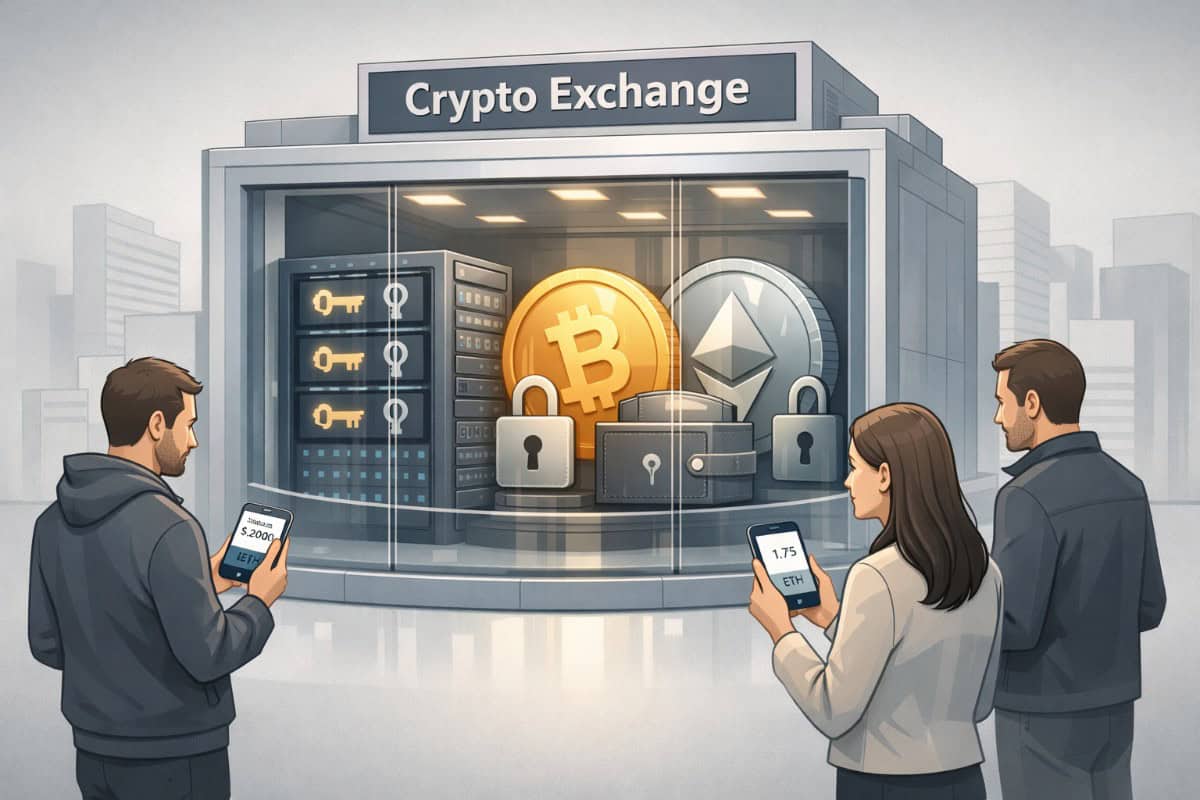
Unlike traditional brokerages protected by U.S. laws and insurance schemes like SIPC, tokenized platforms often operate under different, less transparent regimes. If a platform collapses or is based in a foreign jurisdiction, investors may struggle to recover the assets backing their tokens.
According to AMINA Bank, “token holders don’t get legal ownership of the company. They get financial exposure, but not the full rights of shareholders.”
Liquidity Isn’t Always What It Seems
One major selling point is 24/7 liquidity. But in practice, trading volumes drop sharply on weekends, causing wider spreads and price gaps. Since market makers can’t hedge during off-hours, price discovery becomes difficult.
Citadel Securities has raised concerns that parallel markets for tokenized stocks could cause liquidity fragmentation, mispricing, and tax confusion.
Regulatory Patchwork Adds to Investor Confusion
The regulatory status of tokenized equities varies sharply across regions. Europe is moving toward clearer frameworks, while the U.S. remains cautious. This is why eToro and Robinhood limit availability to non-U.S. retail investors.
Ledger Insights reports that the Bank of Lithuania, which oversees Robinhood Europe, is investigating how the firm offers private company tokens like OpenAI and SpaceX, with specific concerns around customer disclosures and asset backing.
Small Market, Growing Scrutiny
According to RWA.xyz, tokenized stocks represent $418 million in total value, just a small fraction of the broader $21.3 billion on-chain tokenized asset ecosystem. This niche market is growing, but so is regulatory attention.

Source: RWA.xyz
Technical Vulnerabilities Persist
Tokenized securities introduce new risks, smart contract bugs, platform hacks, and custodial errors. Many platforms lack standardized audits, proof-of-reserves, and transparent operational controls, leaving investors exposed to technical failures.
Citadel: Tokenization Must Deliver Real Value
Citadel Securities has urged regulators to avoid enabling regulatory arbitrage:
“Tokenized securities must achieve success by delivering real innovation and efficiency… not by avoiding the Commission’s time-tested framework.”
They emphasize that bypassing investor protection laws risks undermining market trust and stability.
Key Questions Investors Must Ask
Before purchasing tokenized equities, investors should get clear answers to the following:
-
What am I actually buying? A share, a derivative, or a price-linked token?
-
What rights do I have? Voting rights, dividends, or none at all?
-
Who holds the underlying asset? Is it a licensed custodian or an opaque offshore entity?
-
What happens if the platform fails? Is there any legal recourse?
-
What regulatory body oversees this transaction? Are investor protections in place?
Final Thoughts
Tokenized stocks promise a new frontier in asset accessibility, but investors should not be misled by the hype. These are not traditional equities, and most platforms do not provide the same level of legal protection, ownership rights, or regulatory clarity.
As the SEC’s Hester Peirce noted, blockchain may be “enchanting, but not magical.” The risks remain real, particularly when the fine print reveals that what you’re buying may not be equity at all.