The Hidden Tax on Your Crypto Transactions: Why MEV Protection Matters


Every time you swap tokens or trade on a decentralized exchange, you risk losing money to bots exploiting Maximum Extractable Value (MEV). These invisible attacks, front-running, back-running, and sandwiching, silently drain billions from users on Ethereum, Binance Smart Chain, and Base. As of late 2024, MEV extractions exceeded $5 billion. The good news: leading wallets like Ledger, Trust Wallet, and CoolWallet now integrate MEV protection, rerouting transactions through private mempools to block predatory bots. If you’re active in DeFi, NFTs, or token launches, enabling this feature could immediately safeguard your trades and reduce hidden losses.
- Scale of the problem: MEV has siphoned off more than 625,000 ETH on Ethereum alone, worth over $1.2 billion (May 2023).
- Attack methods: Sandwich attacks impacted 35.5% of Binance Smart Chain blocks on Dec. 1, 2024, affecting $1.5B in trades.
- Wallet defense: Ledger, Trust Wallet (80M+ users), and CoolWallet now offer built-in MEV protection via private mempools.
- When you’re at risk: Token swaps, liquidity provision, and NFT minting are prime MEV targets, simple transfers are safe.
- Action step: Enable MEV protection in your wallet settings to prevent hidden slippage and unfair trade outcomes.
If you’re trading on decentralized exchanges, swapping tokens, or participating in DeFi, you’re likely paying a hidden cost without even realizing it. Known as Maximum Extractable Value (MEV), this invisible fee is siphoned away by sophisticated bots that monitor and manipulate blockchain transactions for profit.
This silent drain on your funds isn’t speculative, it’s happening live on blockchains like Ethereum, Binance Smart Chain, and Base – but wallets have begun integrating MEV protection features to shield users from these invisible attacks.
What Is MEV, and Why Should You Care?
MEV refers to the value that miners, validators, or bots can extract by arbitrarily reordering or inserting transactions within a block. Whenever you submit a transaction, like swapping tokens on Uniswap or SushiSwap, it’s sent to a public waiting area called the mempool. Here, bots monitor for profitable trades they can exploit.
As of May 2023, more than 625,000 ETH had been extracted through MEV on Ethereum. At a price of $1,850 per ETH, that amounts to around $1.2 billion.
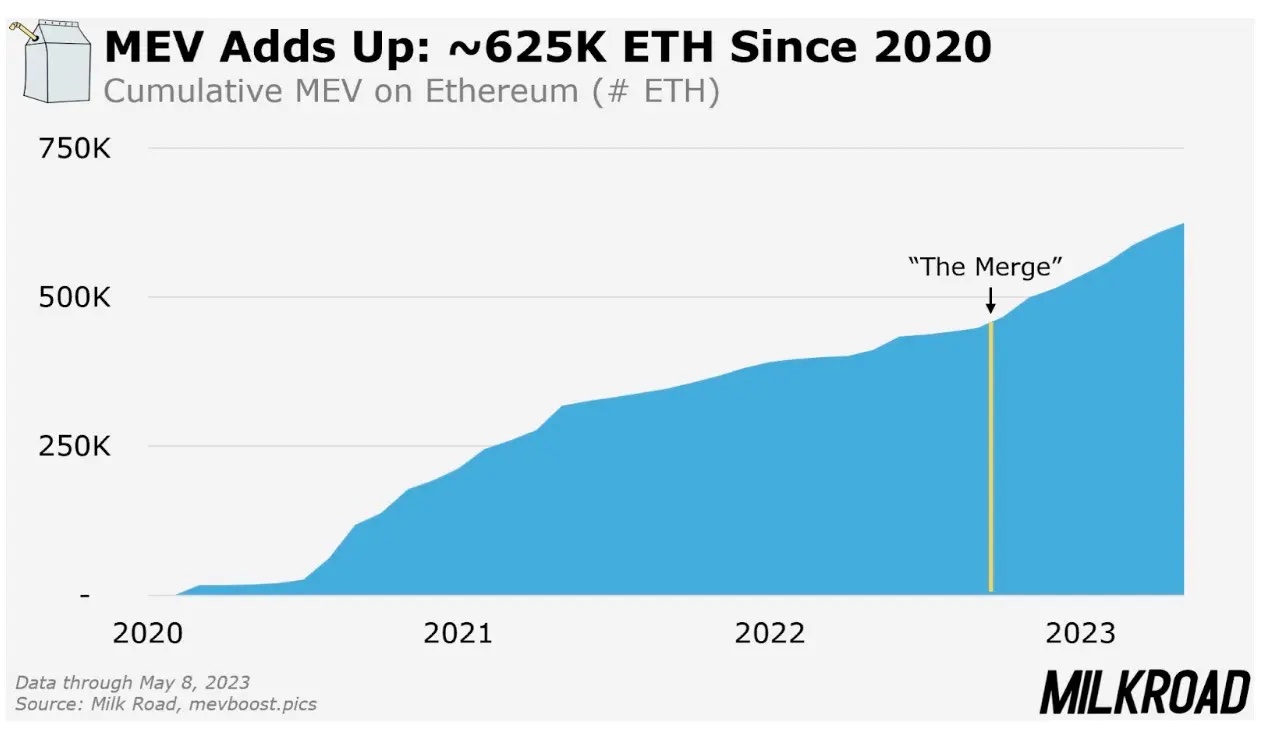
Source: MilkRoad
According to a recent report , combined MEV exploits across blockchains have surpassed $5 billion, with the most common techniques being sandwich attacks, front-running, and back-running. These strategies are designed to drain value from your trade without your knowledge.
Real-World Exploits Affecting Your Transactions
Say you’re swapping $10,000 worth of tokens. A bot sees your transaction pending in the mempool, submits its own trade first using higher gas fees, drives the price up, and then sells back after your transaction pushes the price higher. This front-running method results in you paying more for fewer tokens. In 2023 alone, this kind of attack cost Ethereum users an estimated $12 million per day.

Source Cyber News
Sandwich attacks are even more aggressive. On December 1, 2024, 35.5% of all blocks on Binance Smart Chain were impacted by sandwich attacks, affecting over $1.5 billion worth of trades across more than 43,000 transactions.
Back-running is subtler. After your trade impacts a token’s price, bots swoop in immediately to profit from the movement you caused. It’s a persistent, largely invisible exploitation, and its effects add up fast.
When Are You at Risk?
Not all crypto transactions are vulnerable to MEV. If you’re simply sending Bitcoin between wallets or transferring stablecoins to friends, you’re safe. But interacting with DeFi protocols, NFT marketplaces, or participating in airdrops exposes your transactions to attack.
Transactions like token swaps, liquidity provision, and NFT minting are particularly susceptible. For example, between November 2024 and February 2025, Base saw its gas-per-second throughput jump by $11 million, almost all of it consumed by spam bots exploiting MEV vulnerabilities, according to ZENMEV.
How MEV Protection Works
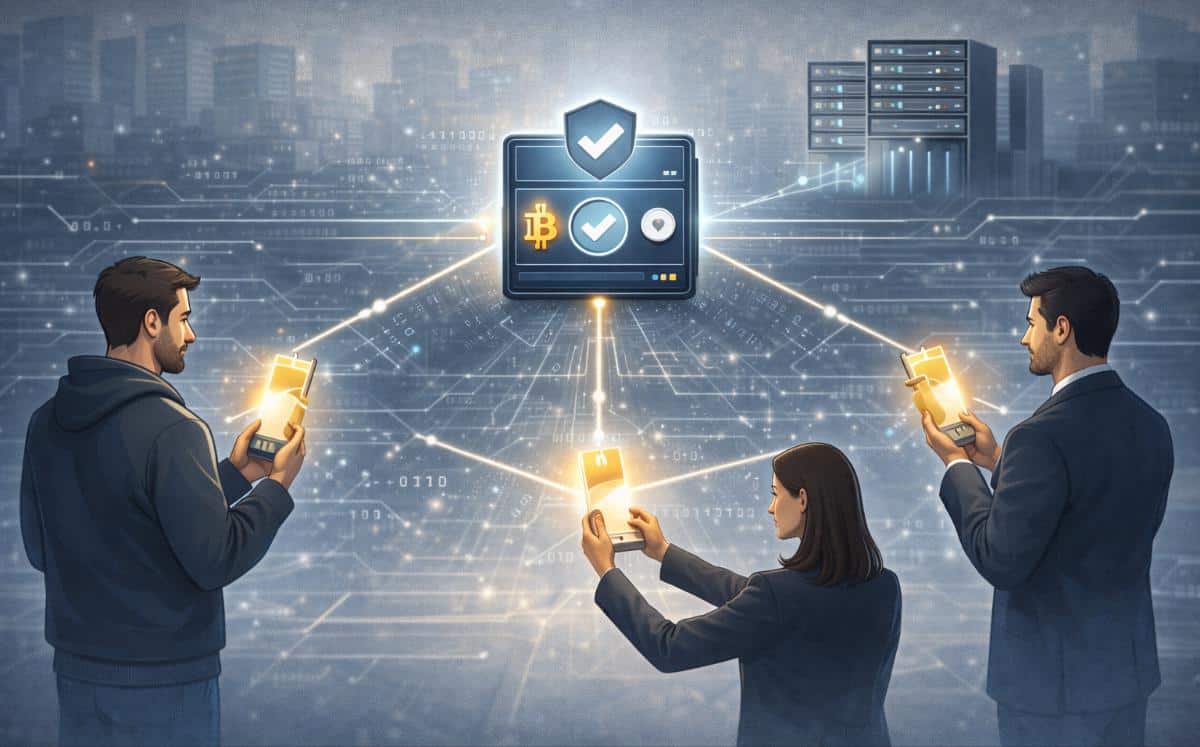
MEV protection prevents your transaction from being exposed in the public mempool. Instead, it’s routed through a private mempool or bundled with other transactions, making it harder for bots to isolate and exploit. The concept is simple: don’t let bots see your transaction before it’s confirmed.
This protection doesn’t require you to alter how you trade. You interact with your wallet or dApp as usual, only now, your transactions are shielded from surveillance until they are mined or validated in a block.

Wallets Offering Built-In MEV Protection
Ledger Live users can now enable MEV protection through Blink and Merkle. The feature is accessible in the settings panel and includes a visual indicator to confirm when your transaction is protected. Enable it via Settings → General → Enable MEV Protection
Trust Wallet, which serves over 80 million users globally, has introduced automatic MEV protection as part of its swap feature. Enabled by default during swaps, users are informed at the point of transaction and can opt out if desired.
Meanwhile, CoolWallet has integrated MEV defense in partnership with Merkle, leveraging private mempool infrastructure to guard trades without compromising privacy or usability. CoolWallet users can activate the feature within the settings panel across all product versions.
Why It Matters Right Now
The scale of MEV extraction has grown exponentially. In 2020, it was a niche concern. By the end of 2024, MEV revenue had surpassed $1.1 billion across blockchains. Flashbots estimates average daily MEV revenue on Ethereum alone reached $500,000 in 2023, stabilizing to around $300,000 in 2024.
What’s more, most users never realize it’s happening. There’s no alert when a sandwich attack hits your trade. You only notice slippage, unexpected fees, or worse trade outcomes. These silent losses, when repeated over time, can significantly reduce the value of your holdings.
The Bottom Line
MEV attacks are a silent tax on decentralized finance, and the more you interact with DEXs, NFTs, or token launches, the more you risk losing. With wallets now offering built-in protection, the choice is simple: enable MEV protection and keep more of your crypto.
It’s one of the easiest steps you can take to secure fairer transactions and prevent unseen bots from profiting at your expense.