Virtual Credit Cards Explained: How They Protect You From Online Fraud


Virtual credit cards use temporary, tokenized numbers to protect your primary card during online purchases, making them a strong tool for reducing fraud, preventing unwanted subscription charges, and improving spending control. They work by substituting a disposable card number for your real one, which aligns with FTC identity-theft prevention guidance and the CFPB’s steps for reporting stolen card information. These cards are most helpful for frequent online shoppers, privacy-focused users, and anyone managing multiple recurring subscriptions.
- Virtual cards create single-use or merchant-specific numbers that prevent your permanent card info from being exposed or stored.
- Tokenization keeps your actual account details hidden, and spending limits block unauthorized fee increases or billing errors.
- They simplify subscription control by letting you disable one card without disrupting other services or replacing your physical card.
- Virtual numbers improve safety for international or high-risk purchases where data breaches or merchant security are concerns.
- Limitations include in-person acceptance, hotel/car-rental requirements for physical cards, and refund delays if a virtual number expires.
Virtual credit cards have grown in popularity as more consumers shop online and look for stronger protection against fraud. These digital cards generate temporary or disposable numbers that substitute for your primary credit card number, reducing the risk that your information will be stolen or misused. For people who value privacy, security, and control over recurring transactions, virtual cards provide advantages that traditional physical cards cannot match.
This guide explains how virtual credit cards work, who benefits most from them, and how they differ from physical cards. It draws on established guidance from agencies such as the Federal Trade Commission (FTC), which offers resources on preventing identity theft, and the Consumer Financial Protection Bureau (CFPB), which outlines steps consumers should take if they believe their credit card information has been stolen.
What Is a Virtual Credit Card?
A virtual credit card is a temporary, digitally generated card number that substitutes for your physical credit card when making online or mobile purchases. It draws funds from the same underlying account, but the card number, expiration date, and security code are different. This separation helps reduce the risk that your permanent card details will be exposed during digital transactions.
Virtual cards can be used anywhere standard card payments are accepted online. Since they exist only in digital form, they generally cannot be used in person unless added to a supported digital wallet that enables contactless payments. Issuers may offer single-use or multi-use virtual cards. A single-use card typically expires after one transaction, while a multi-use card can remain active for a set period or be restricted to a specific merchant.
Technology and Functionality
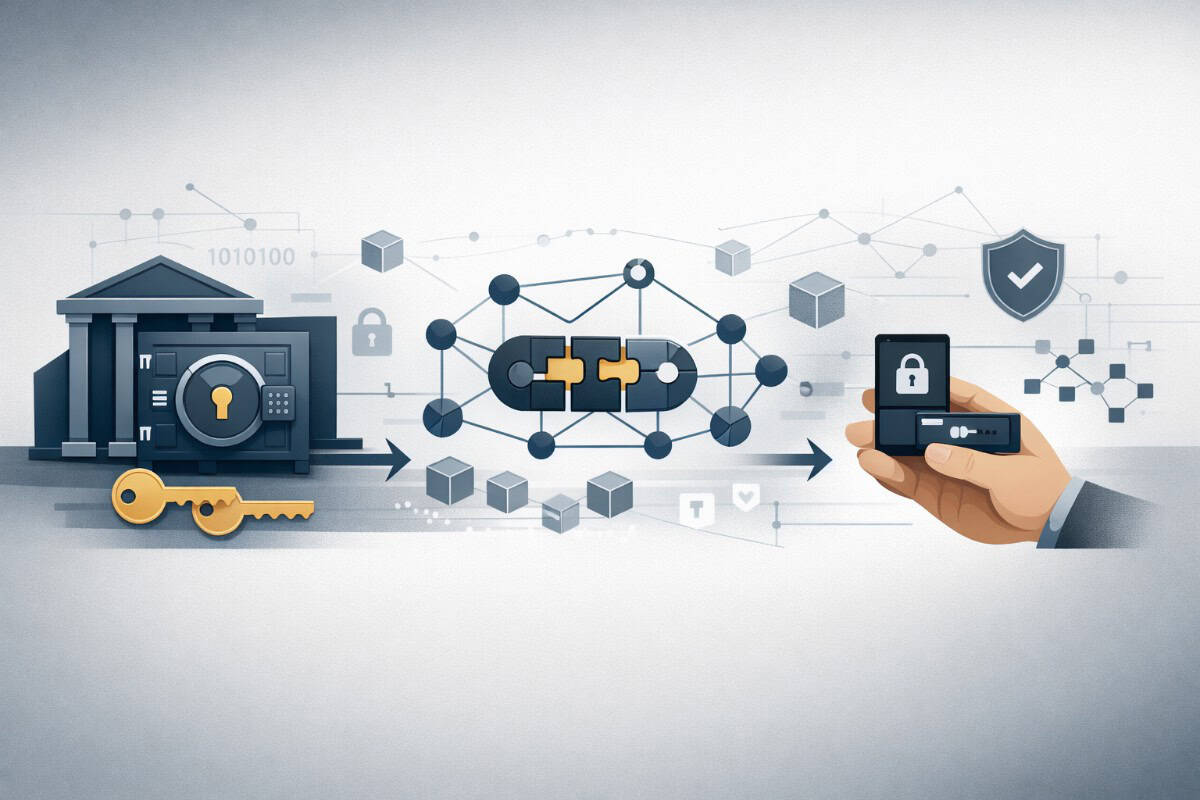
Virtual credit card numbers are issued by banks, card networks, and digital payment providers. Most systems rely on tokenization, which replaces your real card number with a temporary token. When you make a purchase, this token is used to authorize the transaction, while your actual card details remain protected in the background.
Many virtual cards can be added to Apple Pay or Google Wallet, enabling mobile and contactless payments. Others work exclusively for online purchases or subscription billing. Providers commonly allow users to set custom expiration dates, spending limits, and merchant-specific restrictions for additional control.
Spending limits are one of the strongest security tools. A virtual card can be set for a fixed amount or a recurring monthly limit. If a merchant tries to charge more than the authorized amount, the transaction is automatically declined, preventing unauthorized fee increases, surprise add-ons, or billing errors.
Ideal Consumer Profile
-
Frequent online shoppers benefit from added protection against data breaches. If a temporary number is stolen, it can be disabled immediately without replacing the physical card.
-
Privacy-conscious users value the ability to isolate card numbers by merchant. A virtual card tied to a single store or service prevents merchants from sharing or reusing your primary card details.
-
Business travelers face higher fraud risks when making international purchases or using unfamiliar networks. Virtual cards limit exposure and make it easier to manage charges across different regions.
-
Subscription-heavy users, including digital nomads or people managing multiple recurring services, use virtual cards to track and control billing. Assigning a unique virtual card to each subscription helps streamline cancellations and reduces the risk of unwanted renewals.
Use Cases and Practical Applications
Virtual credit cards support safer and more flexible financial management across several everyday situations. One of the most common uses is online shopping security. If a website is compromised, only the temporary virtual number is exposed, keeping your permanent card details protected from misuse.
They also make subscription management easier. By assigning a separate virtual number to each service, you can stop unwanted charges instantly by disabling that specific card instead of contacting the merchant. This same approach works well for trial sign-ups, where single-use virtual cards help prevent automatic billing once the free trial ends.
International purchases benefit as well. When buying from unfamiliar merchants or sites with unclear security standards, virtual cards reduce risk because their numbers are limited-use and less likely to be affected by broader data breaches.
Virtual cards also support budgeting and spending control. Setting fixed limits helps manage discretionary categories, and parents can use capped virtual cards to safely monitor adolescent or young adult spending within a household.
Advantages vs Traditional Cards
-
Enhanced security: Virtual cards use temporary or tokenized numbers that can be disabled instantly if compromised. This protects your primary card details during online transactions.
-
Stronger privacy controls: Many issuers generate merchant-specific or single-use numbers, preventing retailers from storing or sharing your permanent card information.
-
Easy cancellation without disruption: You can deactivate an individual virtual card at any time without cancelling your main card or interrupting other subscriptions tied to different virtual numbers.
-
Instant issuance: Most banks and fintech providers generate a virtual card immediately after account approval, allowing you to shop online right away, no need to wait for physical mail.
-
Precise spending limits: Users can set custom caps, expiration dates, or merchant permissions on each virtual card. If a merchant tries to overcharge, the transaction is declined.
-
Ideal for digital purchases: Virtual cards provide more customization and protection for online and app-based payments.
Physical cards are still required for in-person transactions unless the virtual card is added to a supported digital wallet (e.g., Apple Pay, Google Wallet).
Provider Landscape
The provider landscape has expanded quickly as demand for virtual cards has grown. Fintech platforms such as Privacy.com and Revolut offer virtual-only or virtual-first cards focused on security, privacy, and spending controls. These services typically let users create multiple virtual numbers and assign each one to individual merchants or subscriptions.
Traditional banks and card issuers also provide virtual card tools. Capital One’s Eno is a leading example, generating merchant-specific virtual card numbers linked to an existing credit card account. Many issuers now integrate virtual card features directly into their mobile apps or online dashboards.
Standalone virtual card providers may require linking a checking account for funding instead of opening a new credit line. This gives consumers access to the security and budgeting benefits of virtual cards without needing a credit check.
Credit Approval Process
The approval process depends on the provider. For virtual cards tied to a traditional credit line, approval works the same way as a standard credit card. Issuers review your credit score, income, and payment history, and a hard inquiry may be added during the application.
Some issuers use soft credit checks to let applicants pre-qualify before submitting a full application. This helps consumers check eligibility without affecting their credit scores.
Standalone virtual card services that connect directly to a bank account do not require a credit check. These options function more like debit-based spending controls rather than credit products, making them accessible to users who want added security without opening a new credit line.
Limitations to Consider
Despite their flexibility, virtual cards come with specific limitations that users should understand. Certain merchants still require a physical card for identity verification, including hotels, car rental services, and some gas stations. These businesses depend on physical card imprinting or in-person validation methods that virtual numbers cannot support.
Physical purchases also remain restricted unless the virtual card is added to a compatible digital wallet like Apple Pay or Google Wallet. Even when stored in a wallet, acceptance can vary based on the merchant’s point-of-sale technology, meaning virtual cards are not universally supported for in-store transactions.
Refunds can present additional challenges if a virtual card expires before the return is processed. In these cases, some merchants may require manual review or alternative verification to issue a refund to an inactive or closed virtual number, which can delay the process.
Despite these constraints, virtual cards remain one of the most effective tools for reducing online fraud, protecting sensitive payment information, and improving control over digital spending.
Related: This topic is part of the broader credit system. For an overview of how credit scores, loans, and debt work together, see our Credit & Debt guide.