Private Money Lenders For Business: When Banks Say No, Here’s What Actually Works


When banks turn down loan applications due to strict requirements like credit scores and collateral, many small businesses turn to private money lenders for faster, more flexible funding. While private loans can bridge cash flow gaps, they usually come with higher interest rates, shorter repayment terms, and greater risk if lenders aren’t carefully vetted. Before committing, businesses should weigh private lending against alternatives such as SBA microloans, CDFIs, or crowdfunding to ensure long-term sustainability.
- Private lenders fill gaps banks leave behind: They focus on speed, collateral value, and potential returns rather than strict credit underwriting.
- Types vary: Options include peer-to-peer platforms, hard money lenders, angel investors, private equity firms, and personal networks.
- Costs are higher: Interest rates often run in the double digits, with shorter repayment windows than traditional bank loans.
- Vetting is critical: Check licensing, compare fees, and review complaints via the Better Business Bureau to avoid predatory practices.
- Alternatives exist: SBA microloans (up to $50,000), CDFIs, business credit cards, and crowdfunding may offer safer and more affordable financing.
When a small business applies for a loan at a traditional bank, approval usually hinges on factors such as a strong credit score, established revenue, and collateral. Many newer or cash-strapped businesses don’t meet these requirements. That’s where private money lenders step in, offering a vital source of alternative funding.
Private lenders are individuals or non-bank financial firms that provide capital to businesses. Unlike banks, they often prioritize speed, collateral value, or potential returns over strict underwriting standards. While this can open doors for entrepreneurs who struggle with traditional financing, it also introduces higher costs and risks that businesses must weigh carefully.
Types of Private Business Lenders
Private business lending comes in several forms, each catering to different needs.
Peer-to-Peer (P2P) Lending Platforms
P2P platforms such as Funding Circle connect borrowers directly with investors through an online marketplace. Businesses post loan requests, and individual investors fund them in exchange for interest. These loans often come with higher rates than banks but faster access to capital.
Hard Money Lenders
Hard money loans are short-term, asset-backed credit facilities. Businesses may pledge real estate or equipment as collateral. Approval is swift, sometimes within days, but costs are steep, with interest rates often in the double digits, similar to hard money mortgage lending.
Angel Investors and Private Equity
Wealthy individuals, known as angel investors, invest directly in businesses, usually in exchange for equity or convertible debt. Private equity firms provide larger sums, but they typically demand ownership stakes and active involvement in business strategy.
Family, Friends, and Local Investors
Some businesses secure funds through personal networks or local investors. While flexible, these arrangements require formal agreements to avoid disputes.
How Private Business Loans Work
Unlike the heavily regulated process at banks, private lending is less formal. Borrowers generally complete an application, share financial records, and pledge collateral. Approval may take only days rather than weeks. Terms vary significantly between lenders, so it is crucial to review contracts and disclosures carefully before signing.
Pros and Cons of Private Lending
Pros:
-
Faster approval and access to funds
-
Flexible requirements compared to banks
-
Willingness to fund higher-risk businesses
Cons:
-
Higher interest rates and fees
-
Shorter repayment terms
-
Risk of dealing with predatory lenders if not vetted properly
How to Vet and Choose a Private Lender
Careful vetting protects businesses from predatory practices. Borrowers should:
-
Verify licensing and business registration through state financial regulators.
-
Compare interest rates, fees, and repayment terms against market averages.
-
Review ratings and complaints via the Better Business Bureau.
-
Always request a written contract that clearly discloses all costs and obligations.
Alternatives to Private Lending
Private loans aren’t the only option. Businesses may also explore:
-
SBA microloans, which provide up to $50,000 in affordable financing.
-
Community Development Financial Institutions (CDFIs), which specialize in serving underserved businesses.
-
Flexible credit tools like business credit cards or revolving lines of credit.
-
Crowdfunding platforms, where businesses raise funds directly from the public.
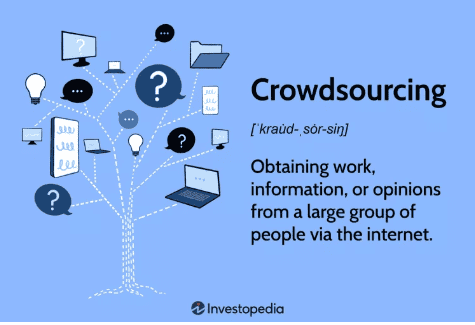
Source: Investopedia
Key Takeaways
Private money lenders can provide critical funding when banks decline applications, but the trade-off often comes in the form of higher costs and shorter terms. Businesses should compare all available options, thoroughly vet lenders, and fully understand repayment obligations before committing to this form of financing.