Why 99% of Investors Lose Money During Market Crashes (And How the 1% Profit)


Market crashes are inevitable, but investor outcomes depend on behavior. Most people panic-sell and lock in losses, while the wealthiest use downturns to buy assets cheaply and position for long-term gains. Everyday investors can protect themselves by preparing cash reserves, sticking to a disciplined plan, and resisting herd behavior. History shows that patience and strategy consistently beat fear-driven reactions.
- Avoid panic selling: Past crises, like 2008, proved that selling at lows misses powerful rebounds of 400%+ in the following decade.
- Maintain liquidity: An emergency fund of 3–6 months’ expenses prevents forced selling at depressed prices.
- Think in decades: Wealthy investors focus on 10–30 year horizons where compounding outpaces short-term volatility.
- Diversify and hedge: Mix of stocks, bonds, real estate, and cash cushions downturns and creates buying power.
- Stay disciplined: Dollar-cost averaging and written investment plans help avoid emotional mistakes during crises.
Market crashes are among the most feared events in investing. In just a few days, or even hours, entire portfolios can lose value, wiping out years of patient gains. For most investors, the instinct is to sell quickly, attempting to “cut losses.”
Yet history shows that this behavior almost always leads to permanent financial damage. In contrast, a small fraction of investors, the most disciplined and often the wealthiest, use these same downturns as stepping stones to greater wealth. Understanding why this divide exists can help everyday investors navigate crises with clarity and resilience.
Why Most Investors Lose Money in Market Crashes
Panic Selling and the Psychology of Fear
The human brain is wired to avoid loss. When markets collapse, that fear response often overrides rational judgment. Investors sell at the lowest point, believing they are “protecting” themselves, only to miss the inevitable rebound. For instance, after the 2008 financial crisis, the S&P 500 lost more than 50% of its value, but those who sold in panic missed out on the more than 400% recovery in the following decade.
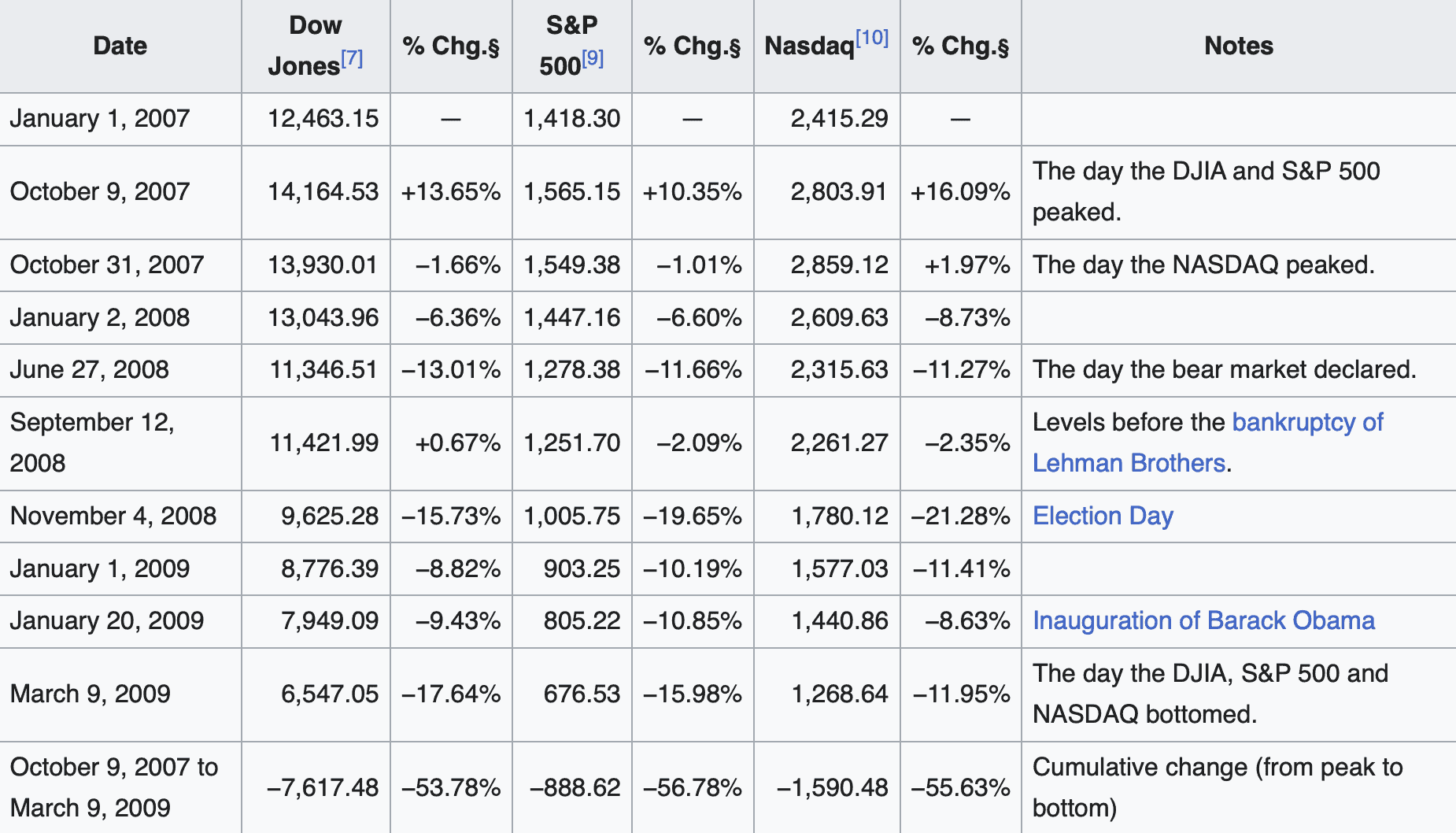
Source: Wikipedia
Lack of Liquidity and Emergency Savings
A less visible but equally damaging factor is the absence of emergency cash. Without savings to cover daily expenses, many are forced to liquidate investments at the worst possible time. Selling stocks or funds at depressed prices can take years to recover from, and for some, the damage is permanent.
Following the Herd
Behavioral finance research shows that people tend to copy the crowd in times of stress. When media headlines scream about a “market collapse” and peers are selling, it feels safer to do the same. Unfortunately, this herd behavior ensures that most retail investors sell at market bottoms and buy back only after prices have risen again.
How the 1% Profit During Crises
Buying Assets at Fire-Sale Prices
Wealthy investors see market crashes as rare opportunities. Quality companies, real estate, or even entire stock indices suddenly trade at deep discounts. For example, Warren Buffett has famously used downturns to acquire strong businesses at bargain prices, later reaping billions in profits as markets recovered.
Thinking in Decades, Not Days
The wealthiest investors take a long-term view. Short-term volatility is noise, while long-term ownership of productive assets compounds into substantial wealth. By focusing on a 10-, 20-, or even 30-year horizon, they avoid the panic that drives most investors into poor decisions.
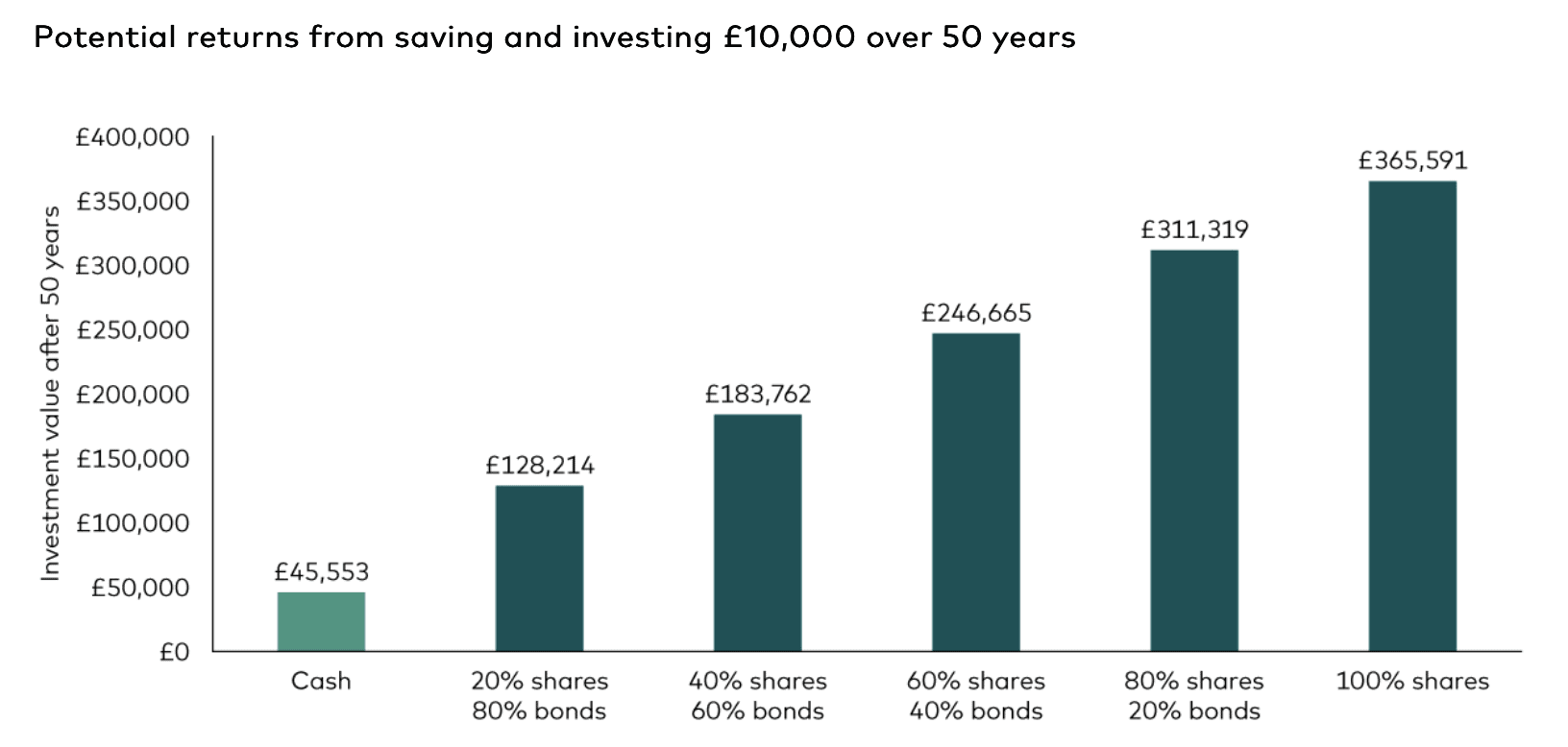
Source: Vanguard
Risk Management Through Diversification and Hedging
Another reason the top 1% thrive is preparation. They spread investments across stocks, bonds, real estate, and increasingly alternative assets such as private equity, commodities or digital assets. Many also use hedging strategies, like holding cash, gold, or protective options, to cushion downturns. These tools allow them to buy when others are forced to sell.
What Everyday Investors Can Learn
Build and Protect an Emergency Fund
The first step in avoiding forced selling is having cash on hand. Experts recommend three to six months of living expenses saved in liquid accounts. This buffer allows investors to ride out downturns without tapping into long-term investments.
Create and Follow a Long-Term Investment Plan
Markets have always moved in cycles. While downturns are painful, they are temporary. A written investment plan, whether built around index funds, retirement accounts, or diversified portfolios, helps keep emotions in check. Investors who stayed invested through past crises, including the dot-com bust and 2008, eventually came out ahead.
Avoid the Trap of Market Timing
Trying to guess the bottom rarely works. Even professional investors admit that consistently predicting market tops and bottoms is nearly impossible. Strategies like dollar-cost averaging, investing a fixed amount regularly, smooth out volatility and ensure that investors buy both during highs and lows. Over time, this disciplined approach reduces risk and builds wealth steadily.
Educate Yourself and Stay Rational
Knowledge is a powerful antidote to fear. Investors who understand market history and basic financial principles are less likely to panic when headlines turn grim. Recognizing that every past crash has eventually been followed by recovery can help maintain confidence.
Final Takeaway
Market crashes are inevitable, but investor outcomes are not. Most people lose money because they react emotionally, selling at the bottom and locking in losses. The wealthiest, by contrast, prepare in advance, think long-term, and act decisively when opportunities arise. Everyday investors may not have the vast resources of the 1%, but they can adopt the same principles: maintain cash reserves, follow a disciplined plan, avoid timing the market, and keep a long-term perspective.