The $7B Acquisition That Just Changed Everything in Weight Loss Investing

Published: Sep 23, 2025

5.1 min read

Updated: Dec 20, 2025 - 13:12:05

The $7B Acquisition That Just Changed Everything in Weight Loss Investing
ADVERTISEMENT
Advertise with Us
Obesity care has shifted from the margins of healthcare to one of its fastest-growing markets, driven by GLP-1 drugs like Wegovy and Zepbound. With over 40% of U.S. adults obese, treatments are no longer just medical, they’re economic interventions. Analysts project a $150 billion global obesity drug market by the 2030s, fueled by high demand, strong clinical outcomes, and expanding insurance coverage. Pfizer’s $7.3 billion September 2025 acquisition of Metsera signals escalating consolidation as Big Pharma races to challenge Novo Nordisk and Eli Lilly’s dominance.

  • Market growth: Obesity drugs could exceed $150B by 2033, rivaling top therapeutic categories.
  • Pfizer’s bet: $7.3B Metsera deal sets a 40% valuation premium and highlights M&A momentum.
  • Key players: Novo Nordisk, Eli Lilly, and now Pfizer anchor the sector; small-cap biotechs remain high-risk, high-reward.
  • Investor strategies: Choose between Big Pharma stocks, biotech plays, or healthcare ETFs for exposure.
  • Risks: FDA hurdles, safety questions, pricing pressure, and uneven insurance coverage could limit upside.
Few areas of medicine are commanding as much attention, and capital, as obesity treatments. What was once a niche, often stigmatized corner of healthcare has transformed into a global market expected to rival some of the largest therapeutic categories in modern history. At the center of this shift are new drugs that not only deliver meaningful weight loss but also redefine how doctors and patients approach chronic disease.

The Rise of Obesity Drugs

The surge began with the success of GLP-1 therapies, originally designed for diabetes but quickly adopted as powerful tools for weight reduction. Novo Nordisk’s Wegovy and Eli Lilly’s Zepbound became blockbuster brands, moving obesity care from the margins of medicine into the mainstream. These drugs demonstrated that pharmaceutical intervention could deliver results far beyond diet and exercise alone, reshaping medical practice and patient expectations.

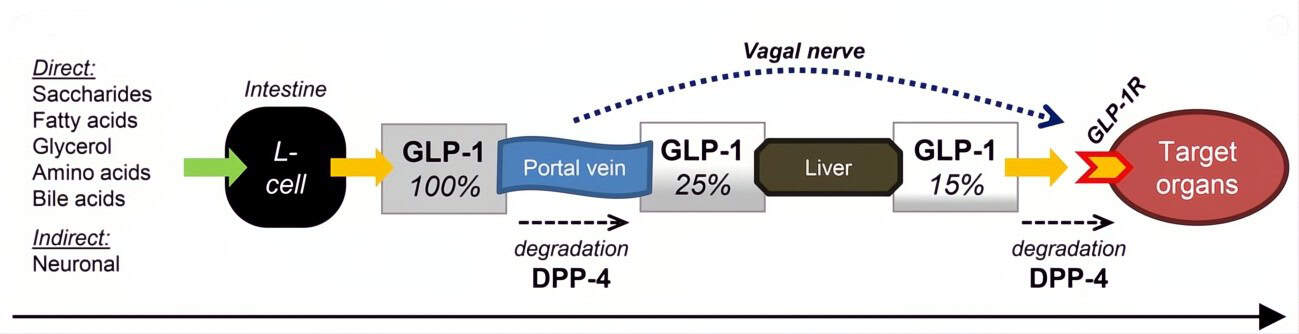
Weight Loss Drugs Image

Source: BMJ Journal

In the United States, about 40-43% of adults are now obese, contributing hundreds of billions of dollars annually in health care and related economic costs. Treatments that reduce excess weight, including GLP-1 medications, are increasingly considered not only medical but potentially economic interventions, though their cost-effectiveness depends heavily on drug prices, uptake, and long-term outcomes.

A Market Set to Explode

Estimates suggest the global obesity drug market could reach $150 billion by the early 2030s, making it one of the fastest-growing segments in healthcare. Several forces converge to drive this expansion:

  • High demand: The prevalence of obesity in many western nations and particularly in the United States ensures a large and expanding patient pool.

  • Better outcomes: Next-generation drugs offer double-digit percentage weight loss, with improved safety and tolerability.

  • Insurance coverage: Payers are increasingly recognizing obesity as a treatable condition, expanding reimbursement.

  • Cultural acceptance: Once stigmatized, medical weight loss is now normalized, with public figures and everyday patients alike embracing pharmaceutical solutions.

Together, these dynamics create a multi-decade growth story that is already attracting the full weight of Wall Street.

Pfizer’s $7.3 Billion Bet on Metsera

The biggest signal yet of Big Pharma’s commitment came in September when Pfizer announced a $7.3 billion acquisition of Metsera, a biotech developing obesity therapies. The deal included $4.9 billion upfront and up to $2.4 billion in milestone payments tied to regulatory approvals and trial outcomes.

Metsera’s lead candidate produced more than 11% average body-weight reduction in a mid-stage trial, an outcome seen as highly competitive with existing GLP-1 therapies. Importantly, its once-monthly dosing schedule could provide a clear advantage over daily injection competitors. Investors responded immediately: Metsera shares surged 59% after the announcement.

By paying a 40% premium for Metsera, Pfizer set a new valuation benchmark for obesity-focused biotech companies. Analysts argue that this deal may spark a wave of acquisitions as pharmaceutical giants scramble to catch up with Novo Nordisk and Eli Lilly, who already dominate the market.

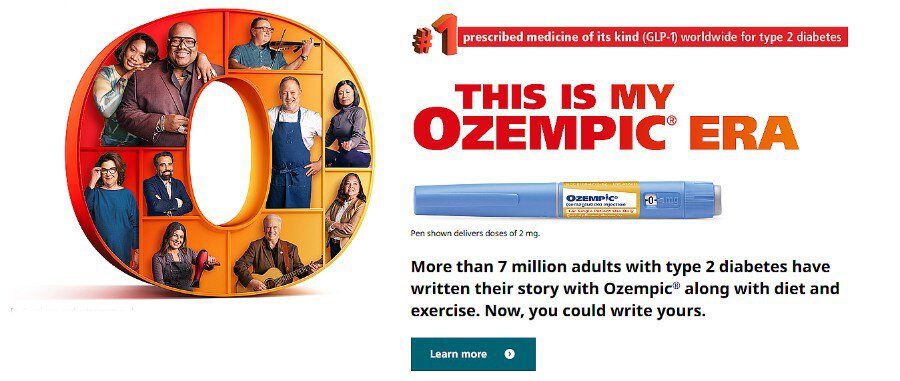
Ozempic

Source: Ozempic.com

Key Players in the Race

  • Novo Nordisk (NVO): Market leader with Wegovy and Ozempic, setting the pace for innovation and profitability.

  • Eli Lilly (LLY): Surging competitor with Zepbound and a strong development pipeline.

  • Pfizer (PFE): A late entrant now armed with Metsera’s assets, seeking to carve out market share.

  • Emerging biotechs: Smaller firms focused on oral or next-generation obesity therapies, many of which could become acquisition targets.

Investment Pathways

For investors, the obesity drug boom offers multiple ways to participate:

Big Pharma Stocks

Owning shares of companies like Novo Nordisk, Eli Lilly, or Pfizer provides exposure to obesity drugs while mitigating risk across diversified product portfolios. These firms have the capital and infrastructure to scale treatments globally.

Biotech and Small-Cap Plays

High-risk, high-reward opportunities exist among smaller innovators. Pre-buyout Metsera exemplifies how early-stage companies can generate outsized returns through acquisition or breakthrough trial results. However, these stocks carry volatility and the possibility of trial failures.

Healthcare ETFs and Funds

For diversification, healthcare or biotech ETFs allow investors to capture sector-wide growth without betting on a single company. Some funds focus specifically on metabolic disease or pharmaceutical innovation, spreading exposure across multiple names.

Risks on the Horizon

Despite the bullish outlook, significant risks remain:

  • Clinical uncertainty: Mid-stage results don’t guarantee FDA approval or long-term success.

  • Safety and side effects: Questions persist around cardiovascular impacts and gastrointestinal issues over years of use.

  • Regulatory scrutiny: Obesity drugs face strict oversight, and pricing pressures may mount.

  • Insurance and access: Coverage expansion is uneven, and cost-control policies could squeeze profit margins.

  • Competition: As more therapies arrive, pricing power and market share will be harder to maintain.

The Bottom Line

Obesity treatments have gone from niche products to a defining battleground for global pharmaceutical leaders. With a projected $150 billion market by 2033, the sector offers both tremendous opportunity and real risk. Pfizer’s $7.3 billion Metsera acquisition underscores the scale of the stakes and signals a coming wave of consolidation.

For investors, success in this space will depend on balancing exposure across established leaders, promising upstarts, and diversified funds, while recognizing that scientific, regulatory, and pricing risks remain high. What is clear is that obesity is no longer just a public health challenge; it is one of the most consequential, and potentially profitable, frontiers in modern medicine.

ADVERTISEMENT
Advertise with Us

Related Posts

Other News

ADVERTISEMENT
Advertise with Us

Tags