Tech Startup Grants: How to Fund Your Innovation Without Investors


Tech entrepreneurs can access millions in non-dilutive funding through federal, corporate, and state grant programs, letting them scale without debt or investor dilution. In 2025, the most effective paths include SBIR/STTR research grants, corporate innovation programs, and pitch competitions offering capital and visibility. Founders who align their projects with innovation priorities, AI, clean energy, or digital commerce, can unlock grants worth $10,000 to $200,000+ while retaining full control of their companies.
- Federal Focus: The SBIR and STTR programs provide up to $275K in Phase I and $1.8M in Phase II funding for small U.S.-based tech firms advancing R&D without equity loss.
- Corporate Grants: Programs like Visa Everywhere Initiative, Lenovo Evolve Small, and Amazon Small Business Grants fund innovation from $15K to $50K with mentorship and global exposure.
- Digital & E-Commerce Funding: Initiatives like FedEx E-Commerce Learning Lab and Intuit QuickBooks’ Small Business Hero awards provide $5K–$20K plus education and tools for online startups.
- State-Level Incentives: Programs like Colorado’s Advanced Industries Accelerator and Georgia’s Go Global Georgia grants support local innovation with up to $150K for export and product development.
- Pitch Competitions & Platforms: Events like Seed Capital Pitch (up to $200K) and directories like Grants.gov and Hello Alice simplify discovery and application.
For tech entrepreneurs, grant funding offers a powerful way to scale their businesses without giving up equity, if they know where to look. Every founder faces the same challenge: how to finance innovation without losing control to venture capitalists or piling up unmanageable debt. Yet there’s a third option that many overlook, government and private grants that don’t require repayment or equity stakes.
Unlike traditional financing, grants provide capital that’s yours to keep. For technology startups working on everything from artificial intelligence to clean energy solutions, a wide range of grant opportunities exist across federal, corporate, and regional programs. These funding sources are designed to support qualified applicants who understand how to navigate the system and align their projects with innovation-focused priorities
The Federal Gold Standard: SBIR and STTR Programs
The most substantial funding opportunities for technology startups come from the federal government’s Small Business Innovation Research (SBIR) and Small Business Technology Transfer (STTR) programs. These initiatives connect small businesses with non-dilutive funding from 11 federal agencies, focusing specifically on research and development that drives technological innovation and scientific advancement.
The programs are designed to help small businesses pursue high-risk, high-reward research projects that may be too early or uncertain to attract traditional investors. While SBIR is open to qualified small businesses, the STTR program additionally requires collaboration with a U.S. research institution such as a university or nonprofit R&D organization.
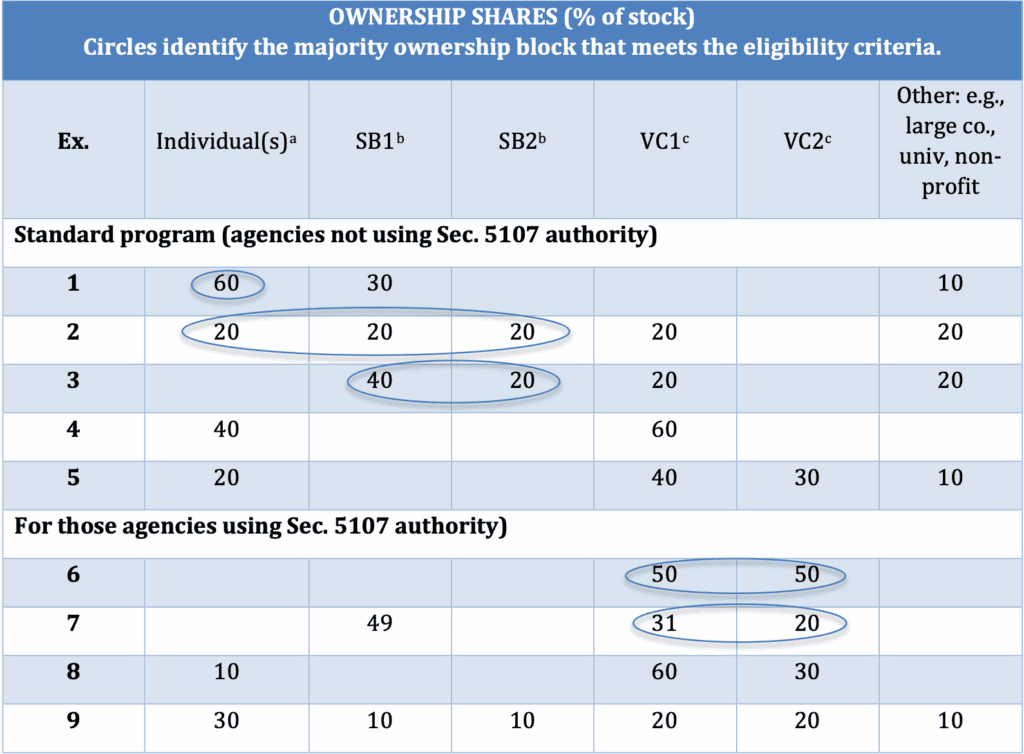
To qualify, your business must meet specific eligibility requirements, including being American-owned and operated, organized for profit, and having fewer than 500 employees. Depending on the agency, awards may take the form of either grants or contracts, but all provide critical early-stage capital without requiring repayment or equity.
Corporate Tech Grants: When Big Companies Back Innovation
Major corporations are increasingly backing technology startups through competitive grant programs that fund innovation without requiring equity. These initiatives connect entrepreneurs with funding, mentorship, and global exposure.
Visa Everywhere Initiative targets tech-driven startups integrating Visa’s products into their solutions. The global competition spans multiple regions, offering up to $50,000 in funding and exposure within one of the world’s largest payment networks.
Lenovo Evolve Small provides grants and technology donations to small businesses across the U.S. and Canada. The program supports growth through funding, hardware, and mentorship, ideal for entrepreneurs building tech products.
Amazon Small Business Grants support companies with $1 million or less in annual revenue. Each year, 15 businesses receive grants ranging from $15,000 to $25,000, plus exposure and business tools to strengthen their digital presence.
E-Commerce and Digital Innovation Funding
The surge of digital business models has inspired dedicated grant programs for online ventures.
The FedEx E-Commerce Learning Lab, created with Accion Opportunity Fund, offers $5,000 grants and a four-month educational cohort. For startups building e-commerce platforms or direct-to-consumer brands, this blend of capital and mentorship bridges both funding and knowledge gaps.
Intuit QuickBooks and Mailchimp’s Small Business Hero Program runs quarterly, awarding $20,000 grants to three small businesses each round. Winners also gain national exposure, social-media promotion, and free access to QuickBooks and Mailchimp tools to accelerate growth.
State-Level Technology Initiatives
While federal programs often dominate headlines, many state governments have launched their own technology-focused grants to support local innovation.
The Colorado Office of Economic Development and International Trade (OEDIT) offers multiple funding programs for startups and tech-driven small businesses. Grants under initiatives like the Advanced Industries Accelerator Program and Export Grant typically range from $10,000 to $150,000, depending on project scope. These programs fund proof-of-concept development, early-stage capital, and global market expansion for Colorado-based technology ventures.
In Georgia, the Go Global Georgia Export Grant helps eligible small businesses expand internationally. The program reimburses costs for activities such as website globalization, trade show travel, and export consulting, covering up to 75% of approved expenses. To qualify, companies must operate in Georgia, meet SBA size standards, and have been in business for at least one year.
Pitch Competitions: Grants Through Contests
Some of the largest startup grant opportunities come through competitive pitch events that combine funding with visibility and mentorship.
The Seed Capital Pitch Competition offers major funding, $200,000 for first place, $100,000 for second, and $75,000 for third. Winners also gain mentorship from leading business figures through the Good Soil Forum, backed by Wells Fargo and the T.D. Jakes Foundation.
The Pathway to Opportunity Pitch Competition connects small business owners with corporate partners. To qualify, participants must be 21 or older, U.S.-based, 51% entrepreneur-owned, and operational for at least three months.
The U.S. Chamber of Commerce CO-100 Awards celebrate America’s top small businesses, offering a $25,000 grand prize and $2,000 grants to 10 finalists, recognizing innovation and economic impact nationwide.
The Grant Ecosystem: Platforms and Partnerships
Finding grants starts with knowing where to look. Several trusted platforms now aggregate opportunities tailored for entrepreneurs.
Grants.gov serves as the official federal database for government funding programs, featuring opportunities from agencies such as the Department of Education and the Department of Veterans Affairs. While many listings target organizations and research initiatives, small businesses can still find relevant options under specific categories.
Hello Alice has become a leading hub for small business funding, partnering with major brands like Progressive and DoorDash to offer targeted grants and resources. Entrepreneurs can create a free account to receive personalized funding alerts and apply directly to opportunities that fit their business needs.
The Application Reality: What Grant Success Actually Requires
Winning a grant takes more than passion, it demands documentation, a strong proposal, and proof your idea can work.
For SBIR and STTR grants, applicants must submit a detailed technical proposal showing both innovation and commercial potential. Corporate grants often have shorter forms but focus on alignment with the company’s goals or social impact strategy.
Nearly all programs require solid business fundamentals: proof of registration, a tax ID number, and, increasingly, evidence of early traction or market validation. Even early-stage funding programs expect to see that you’re building something real and scalable.
Strategic Considerations: When Grants Make Sense
Grant funding isn’t suitable for every tech startup or stage of growth. It works best when your innovation aligns with government priorities such as clean energy, defense technology, or healthcare IT, or fits within a corporation’s strategic interests. Grants are ideal for capital-intensive R&D projects that take time to generate revenue.
However, they’re less effective for startups needing quick funding as application cycles often stretch six months or more. Most grants also include strict reporting and spending rules.
For founders who’ve achieved initial traction but want to scale without giving up equity, grants offer a powerful non-dilutive funding path. Unlike venture capital, they allow you to grow on your own terms without pressure for hyper-growth or forced exits.
Beyond Capital: The Hidden Value
Grant programs offer more than just funding, they open doors to lasting opportunities. Competition finalists often connect with corporate partners who can become customers, collaborators, or even future acquirers. Winning a grant also boosts credibility; recognition from a federal agency or major corporation signals validation that attracts investors and strategic partners.
For tech entrepreneurs willing to navigate the process, grants represent far more than free money, they’re a path to validation, valuable connections, and non-dilutive capital that extends your runway to grow on your own terms.