Side Hustle or Not? Navigating the Pros and Cons in 2025


Side hustles remain common in 2025, with roughly 36%–39% of Americans earning extra income, but new data shows they’re not always the best financial move. While average monthly earnings can reach $1,215 (median ~$400), wide income gaps, burnout risk, and hidden costs mean many people are asking whether a side gig actually improves their financial health.
- Side hustles remain widespread but earnings vary significantly; men report roughly double the income women earn.
- Burnout is a major drawback, over 67% report symptoms per SideHustles.com.
- Hidden costs, equipment, marketing, and compliance, can offset early income.
- Best results occur when individuals have stable primary income, flexible schedules, and low-cost, low-pressure gigs.
- Regular check-ins on time, energy, and finances help prevent a side hustle from undermining health or long-term goals.
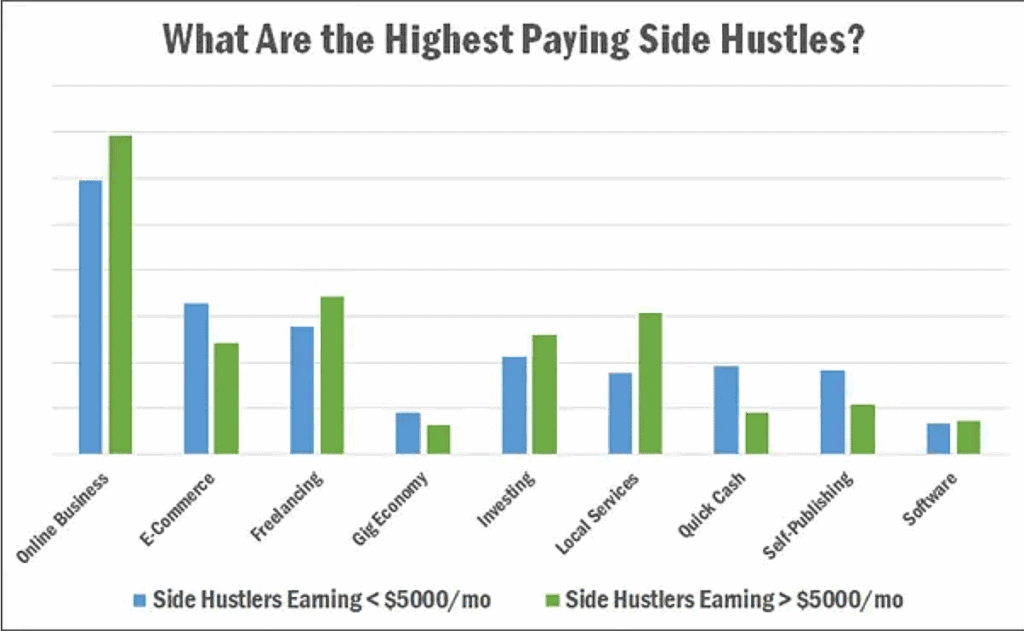
Side hustles have become a ubiquitous part of many people’s lives in 2025, with around 36%–39% of Americans reporting they earn extra income through a side hustle, according to data from SideHustleNation. This trend reflects broader economic pressures, including rising living costs and shifting work preferences, as well as a growing desire for financial security or creative outlets. However, while earning additional income or pursuing passions outside a primary job can be appealing, there is increasing recognition that side hustles also come with significant downsides, and may not be the right choice for everyone.
Source: SideHustleNation
The Current Side Hustle Landscape
Nearly two in five Americans maintain side hustles, with popular activities ranging from food and grocery delivery to online freelancing and seasonal work. On average, side hustlers earn around $1,215 monthly, although the median income is closer to $400, according to the LendingTree survey, showing a wide range of earnings across participants. Interestingly, men report earning more than double what women typically make from side gigs, approximately $1,580 versus $749 per month.
This participation rate has dipped from its peak in recent years, influenced by a cooling inflation rate and a relatively strong primary job market in 2025, reflected in Bankrate analysis. Despite this decline, side hustling remains a critical financial strategy for many, especially younger generations who rely on multiple income streams to cover everyday expenses and long-term goals, as shown in LendingTree findings.
The Upside of Side Hustles
The allure of side hustles lies primarily in their capacity to provide additional income, money that can make tangible differences in managing debt, savings, or lifestyle flexibility. Side gigs also offer a way to develop new skills, pursue passions, or experiment with entrepreneurial ventures without the risks of fully quitting a stable job. Many people find that dedicating as little as five hours a week can generate extra cash and open new career paths, according to the “Risks and Benefits of the Gig Economy” report from the Jobs for the Future.
Moreover, the flexibility of side hustles can be a practical advantage. Technologies and platforms facilitating gig work mean many can fit these ventures around their primary job schedules and other commitments, tailoring effort to capacity and need.
The Drawbacks That Demand Attention
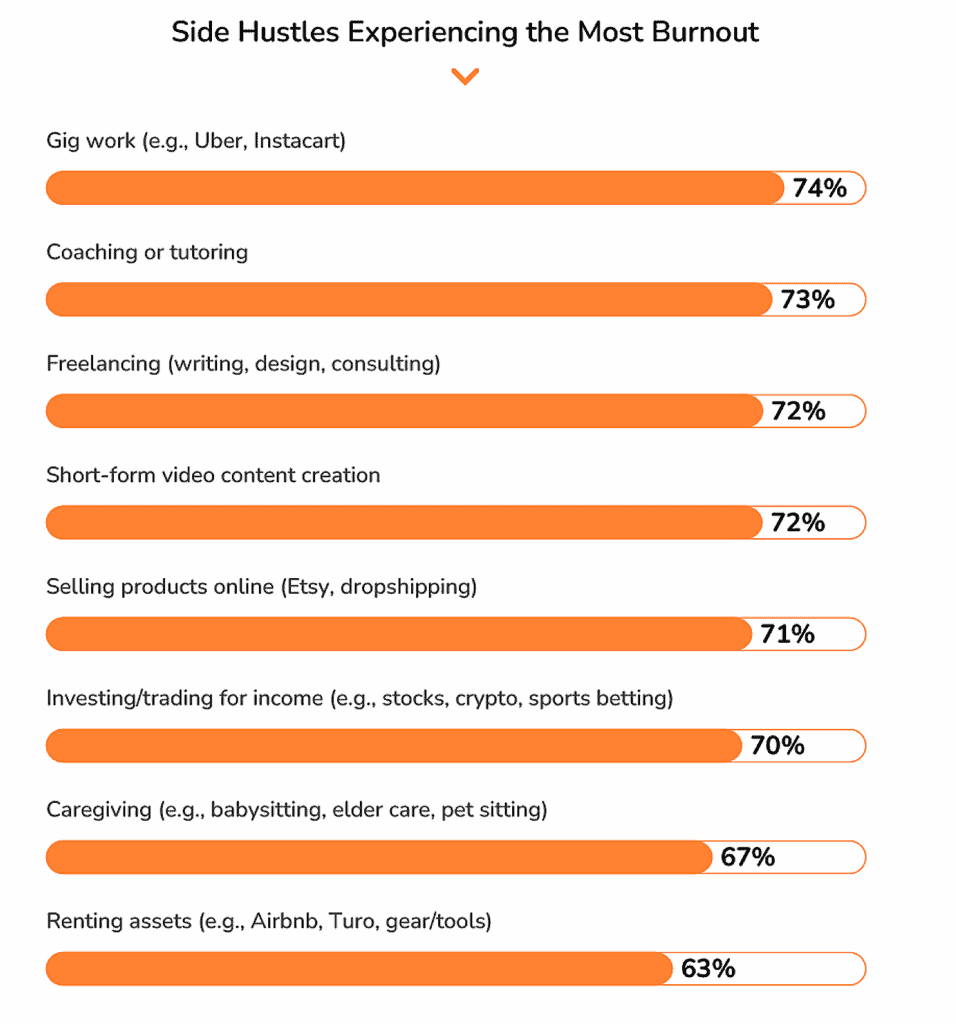
However, side hustles can also lead to significant challenges that compromise their value. Chief among these is burnout; managing a primary job along with a side gig often leads to exhaustion and stress-over 67% of side hustlers report experiencing burnout symptoms, according to the survey from SideHustles.com. The demands on time and energy risk encroaching upon personal and family life, rest, and mental health. For some, the financial gains come at too high a personal cost.
Source: SideHustles.com
Beyond time and energy, side hustles often require upfront investment including equipment, marketing, and legal or tax compliance costs, which can strain finances if the side business doesn’t produce reliable income early on, as detailed in the “5 Hidden Costs of Side Gigs”. This financial risk makes careful planning essential before committing deeply to side hustling.
When Side Hustling Makes Sense
For a side hustle to be genuinely worthwhile, several conditions should align. A stable primary job provides financial grounding and reduces the pressure for the secondary income to be immediately profitable. Having a clear purpose, whether building new skills, testing a business idea, or creating a gradual extra income stream, also helps ensure focus and sustainability.
It’s important to realistically assess available time, energy, and health to avoid burnout. Starting with low-cost, flexible opportunities and reviewing progress regularly keeps the workload manageable. People with adaptable schedules, such as students or remote workers, often find it easier to incorporate side hustles into their routines.
Finding Balance and Setting Boundaries
Practical steps can help side hustlers protect their well-being and maintain balance. Setting defined time blocks and clear goals helps prevent the side gig from taking more time and energy than intended. Monitoring for burnout signs, such as exhaustion, declining performance, or detachment, and adjusting workload early is essential.
Financially, budgeting for start-up and ongoing costs, including tax obligations like quarterly estimated payments outlined by the IRS, supports long-term sustainability.
Regular evaluation is also important. If a side hustle begins to interfere with health, core responsibilities, or personal priorities, it may be time to scale back or pause activities.
Conclusion
Side hustles in 2025 remain a popular and often effective way to increase income, develop new skills, and open doors to fresh career opportunities. Still, they are not a universal solution and carry genuine risks, including burnout, financial pressure, and disruptions to work–life balance. For many people, focusing fully on the right primary job or business may offer stronger long-term results than spreading energy across multiple pursuits.
For anyone considering a side hustle, understanding the trade-offs, setting clear intentions, and respecting personal limits are essential to ensure it becomes a source of empowerment rather than a source of exhaustion.
Taking this balanced approach allows individuals to make informed decisions in a challenging economic landscape and avoid being drawn into side work that ultimately consumes time and energy without delivering meaningful reward.