Can You Build a U.S. Business Entirely With Global Gig Workers? Here’s What’s Realistic


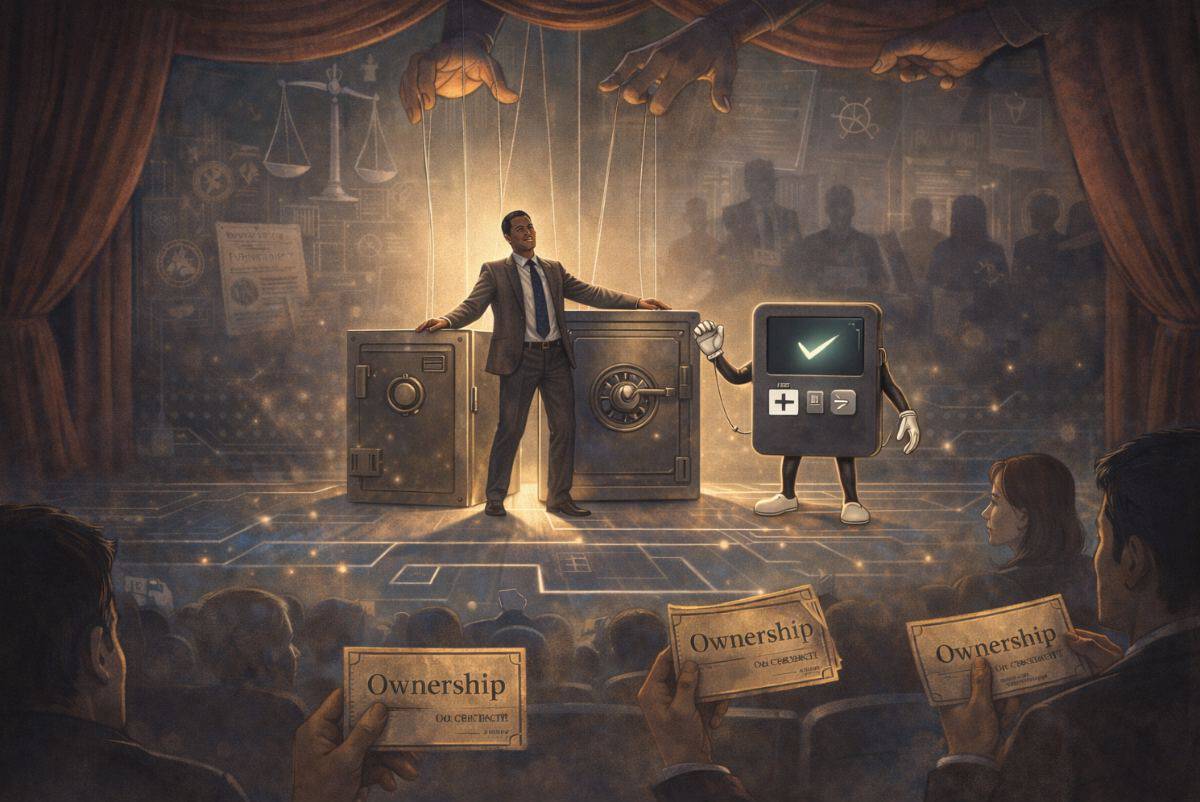
Yes, many U.S. startups now scale using 100% freelance or contractor-based teams, especially across product development, marketing, and admin roles. However, compliance, leadership, and high-touch sales still require in-house oversight. The most resilient model blends a small domestic leadership team with a distributed global talent network.
- Tech and product roles: Freelancers excel for minimum viable products (MVPs) and early builds using tools like GitHub, Figma, and Notion, but founders must enforce clear IP agreements and documentation standards to ensure long-term maintainability.
- Marketing and creative work: Ideal for outsourcing. Freelancers on Upwork and Fiverr deliver top-tier design, SEO, and social content via cloud tools like Canva and Google Ads, if guided by strict brand standards.
- Admin and customer support: Virtual assistants and support teams can operate globally through Slack, Zendesk, and HubSpot, provided strong SOPs, quality checks, and data protection protocols are in place.
- Sales and leadership: Relationship-driven sales and core compliance (tax filings, payroll, governance per IRS and U.S. Department of Labor standards) require direct, accountable U.S.-based management.
- Best practice: Adopt a hybrid model, retain strategic and compliance roles in-house while leveraging global contractors for execution. Use compliant payment platforms like Deel or Wise to manage international teams securely.
For many new U.S. business owners, particularly in technology, media, marketing, and e-commerce, the appeal of running a lean, distributed team through platforms like Upwork and Fiverr is undeniable. These platforms offer access to vast pools of global talent at competitive rates, and the digital infrastructure that powers today’s startups, such as Google Workspace, Slack, and Canva, among others, is inherently cloud-based and borderless.
Yet, the question remains: can a startup scale successfully without hiring a single traditional employee? The short answer is: in some areas, yes, but not across the board. Here’s an in-depth look at how different business functions perform in a fully gig-based environment and where direct employment remains essential.
1. Product Development and Technical Roles
Best suited for global freelancers
Developers, designers, data analysts, and product managers are among the most active and capable talent segments in the global freelance ecosystem. Many startups have launched entire products, ranging from MVPs (minimum viable products) to mobile apps and backend systems, through distributed freelance teams working across continents.
Why it works:
-
Code repositories, design files, and documentation can be shared seamlessly via tools like GitHub, Figma, and Notion.
-
Project management platforms such as Trello and Asana allow asynchronous collaboration.
-
Different time zones can actually accelerate delivery, creating a near 24-hour workflow cycle.
Caveats:
Quality control can vary widely. Without structured vetting, trial tasks, and defined standards, results can be inconsistent. Additionally, long-term product maintenance and iterative development often suffer when relying solely on temporary gig contracts. Startups must also establish clear IP ownership clauses and use NDAs or contractor agreements to secure their technology assets.
Verdict: Very realistic for early-stage builds, but only sustainable if the founder enforces rigorous project management and documentation standards.
2. Marketing, Design, and Content Creation
Highly adaptable to the gig model
Digital marketing is arguably the most gig-friendly domain. Freelancers specializing in branding, web design, copywriting, SEO, social media marketing, and video production dominate platforms like Fiverr, Upwork, and Freelancer.com. Many small businesses already outsource these functions entirely.
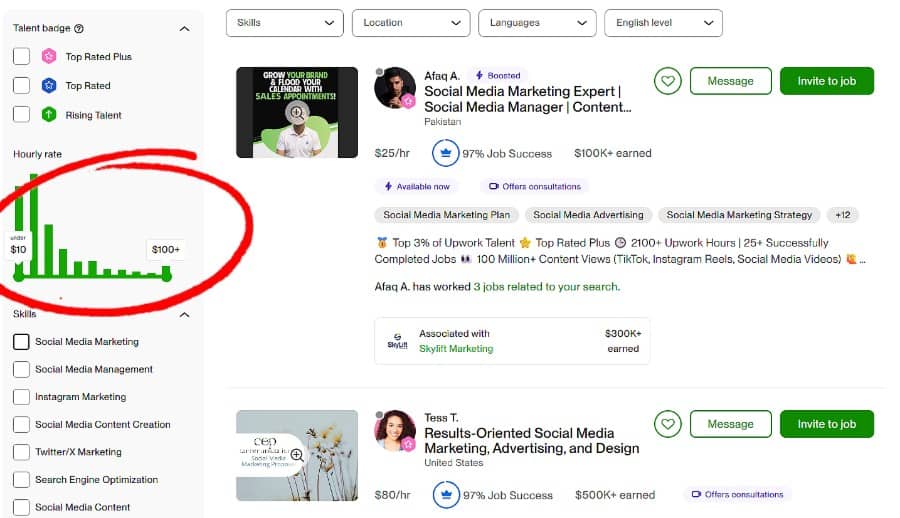
Marketing gig workers on platforms like Upwork are plentiful and at very affordable rates. Source: Upwork.com
Why it works:
-
Marketing deliverables, campaigns, videos, and designs, are typically project-based, making them easy to measure and outsource.
-
Global freelancers bring diverse expertise, such as TikTok ad management, YouTube SEO, or multilingual content creation, that small U.S. businesses couldn’t afford in-house.
-
Cloud-based tools like Canva, Google Ads, and Meta Business Suite make global collaboration frictionless.
Caveats:
The challenge lies in maintaining brand consistency and cohesive voice when multiple freelancers handle different parts of the marketing pipeline. Coordination is critical, copywriters, designers, and social media managers must align through strong brand guidelines and editorial oversight.
Verdict: Extremely realistic and already mainstream. Many startups achieve professional-grade marketing outcomes without a single full-time employee.
3. Customer Support and Administrative Roles
Possible—but requires clear systems
Customer support and admin operations are among the most outsourced business functions worldwide. Virtual assistants and support specialists can handle inbox management, CRM updates, appointment scheduling, and chat support using tools like Zendesk and HubSpot.
Why it works:
-
Tasks are easily systemized and documented.
-
Hiring across time zones allows for 24/7 coverage.
-
Communication platforms like Google Chat and Slack make real-time collaboration seamless.
Caveats:
Cultural nuances and communication barriers can affect tone and customer satisfaction. Businesses need clear SOPs (Standard Operating Procedures), quality monitoring systems, and escalation channels to maintain service consistency. Regulated industries, such as healthcare, fintech, or law, also face compliance risks if sensitive data crosses borders.
Verdict: Realistic with proper structure, documentation, and onboarding systems in place.
4. Sales and Business Development
Difficult to outsource fully
While freelance lead-generation specialists and appointment setters are easy to find, outsourcing high-value B2B or enterprise sales is far more complex. Building trust, closing deals, and managing client relationships typically require direct, culturally aware communication.
Why it’s harder:
-
Sales is relationship-driven and often involves nuanced negotiation and emotional intelligence.
-
Freelancers may lack deep understanding of your product’s value proposition or the U.S. market context.
-
Contractor-based commission models can lead to misalignment or misclassification issues under IRS labor laws.
Verdict: While you can augment your pipeline with outsourced lead generation, full sales outsourcing rarely works for scaling U.S. businesses.
5. Leadership, Strategy, and Compliance
Not realistic to outsource entirely
Strategic leadership, legal compliance, and financial oversight are the backbone of a company’s legitimacy and longevity. While fractional executives (outsourced CFOs, CMOs, or general counsels) on platforms like Toptal can provide expert advice, accountability and liability ultimately rest with the U.S.-registered business entity.
Tax filings, payroll, corporate governance, and investor relations must remain under in-house leadership, especially given IRS and U.S. Department of Labor classification requirements for contractors versus employees.
Verdict: Essential to retain these functions internally. They define ownership, compliance, and strategic direction.
The Global Tools Advantage
Modern SaaS infrastructure has made distributed work highly feasible. Communication tools like Zoom, Slack, and Microsoft Teams ensure constant collaboration, while project management platforms such as ClickUp and Notion unify workflows. Even complex development can be managed globally through AWS, Vercel, and Git-based systems.
This cloud-first ecosystem enables entrepreneurs to operate entirely from a laptop while managing international teams across multiple time zones, a model that was nearly impossible just a decade ago.
Legal and HR Considerations
U.S. businesses must comply with IRS contractor classification rules to avoid misclassification penalties. A freelancer must maintain autonomy over their schedule and work methods; otherwise, they may legally qualify as employees.
Founders must also ensure:
-
Proper contracts and IP ownership agreements: confirming the company retains full rights to produced work.
-
Compliant payment systems: tools like Deel, Payoneer, and Wise handle global payroll and tax documentation seamlessly.
-
Security protocols: especially for data-sensitive industries, using VPNs, access control, and non-disclosure agreements.
Some founders find a hybrid approach most effective: a lean U.S. leadership and sales team supported by a distributed network of contractors handling product development, design, and marketing.
The Bottom Line
Running a fully global, gig-powered company is not a far-fetched startup fantasy, it’s a modern, achievable reality. Many early-stage U.S. businesses successfully operate without traditional employees, relying on a combination of structured project management, rigorous vetting, and cloud-based collaboration.
However, while roles like development, marketing, and administration can thrive in a distributed model, leadership, compliance, and complex sales require in-house stability. The most sustainable approach blends a lean domestic strategic core with a flexible global talent layer, leveraging the cost efficiency and diversity of the gig economy without compromising quality, compliance, or brand integrity.
For disciplined founders who embrace technology, documentation, and global collaboration, this model offers a powerful path to scale, faster, cheaper, and smarter than traditional hiring ever allowed.