Crypto-Rich, Cash-Poor? Milo Offers 100% Financing for Homes


Milo, a Miami-based fintech, is pioneering crypto-backed mortgages that let Bitcoin and Ethereum investors buy real estate without selling their assets, avoiding taxable events while staying exposed to crypto upside. Unlike failed crypto lenders such as Celsius or BlockFi, Milo ties every loan to tangible property, partners with custodians like Coinbase Custody and BitGo, and claims it has never issued a margin call despite market volatility. With over $65 million in crypto mortgage volume and a new loan product for broader liquidity needs, Milo sits at the intersection of Web3 wealth and traditional finance. But scaling faces regulatory hurdles, collateral risks, and market acceptance challenges.
- Crypto as collateral: Milo offers up to 100% financing on homes up to $5M, backed by Bitcoin or Ethereum rather than cash.
- Regulated structure: Custodial partners and SOC 2 compliance add security absent in collapsed DeFi lenders.
- No taxable liquidation: Borrowers avoid triggering capital gains by pledging assets instead of selling them.
- Expanding use cases: New crypto loans (up to $5M) provide liquidity for business or personal needs beyond real estate.
- Risks remain: Regulatory uncertainty and crypto price volatility still challenge long-term adoption.
For many cryptocurrency investors, the dream of owning property comes with an unexpected roadblock. Even those holding millions in Bitcoin or Ethereum often find themselves rejected by traditional banks when applying for a mortgage. The reason is simple: while their digital assets may be valuable, most lenders refuse to accept them as collateral.
Milo, a Miami-based fintech firm, has positioned itself as a leader in disrupting the mortgage marketplace. By offering crypto-backed mortgages, the company enables clients to purchase real estate without liquidating their digital holdings, avoiding taxable events and allowing investors to remain exposed to potential crypto gains.
A New Way to Leverage Crypto in Real Estate
Milo launched its crypto mortgage offering with a specific target market in mind: crypto-wealthy individuals who are asset-rich but cash-poor in the eyes of traditional lenders. Instead of selling Bitcoin or Ethereum to fund a home purchase, borrowers can pledge these assets as collateral and receive up to 100% financing for properties valued up to $5 million.

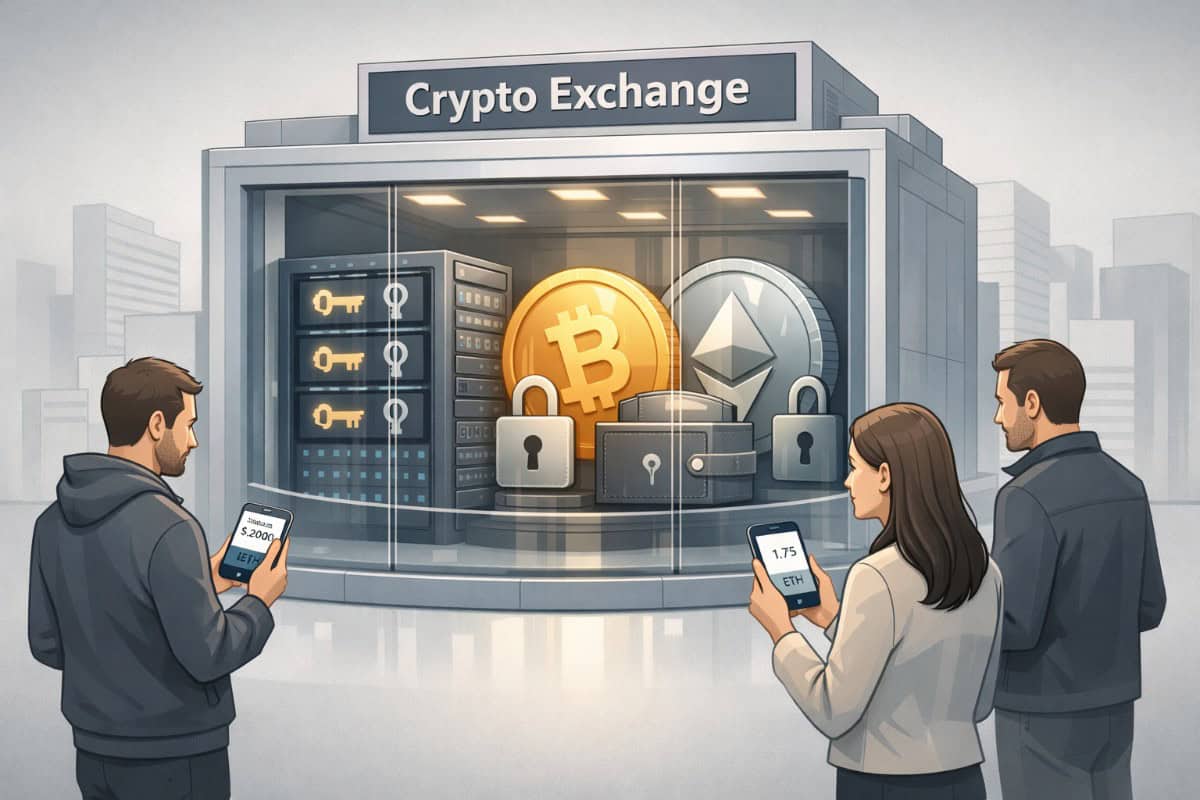
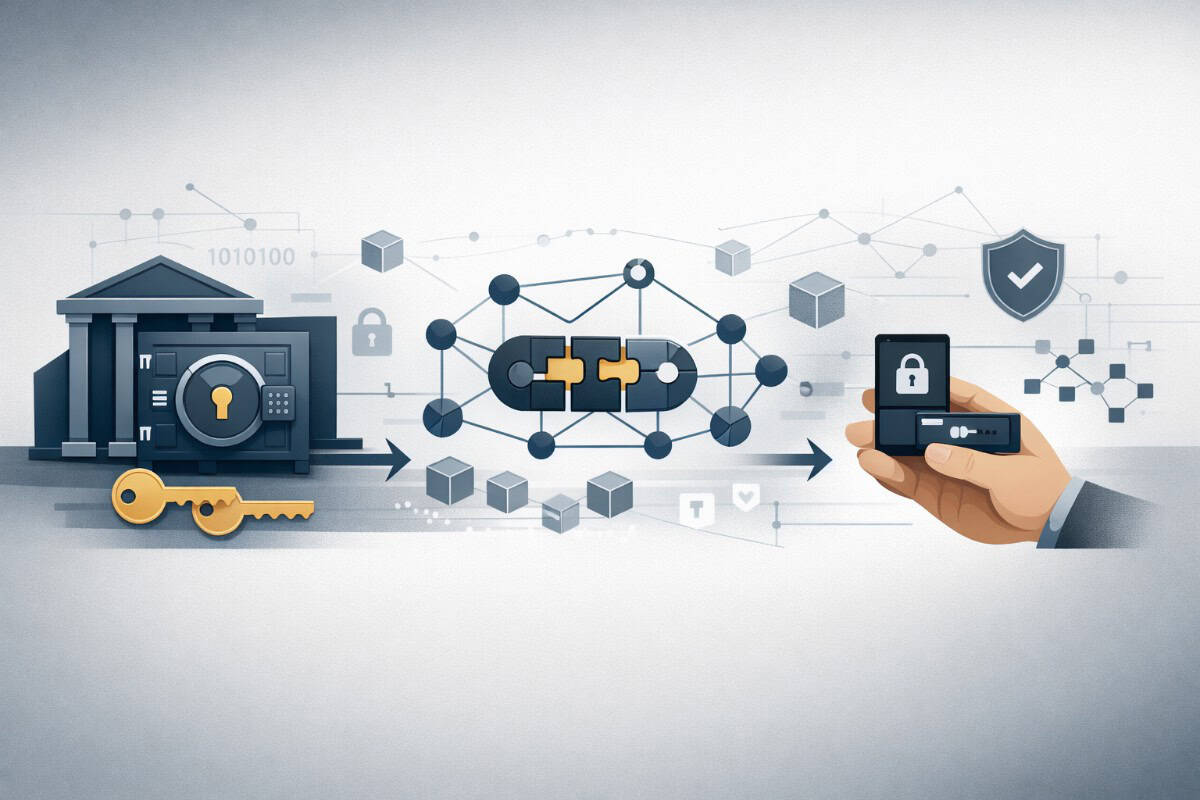
The company works with qualified custodians such as Coinbase Custody and BitGo to securely hold client collateral. Milo is also SOC 2 compliant, a standard indicating high levels of data security and operational controls.
Since its launch, Milo has originated more than $65 million in crypto mortgage volume and over $250 million in total mortgage loans. The platform claims that even during volatile market conditions, it has never issued a margin call, a notable contrast to other crypto lenders that liquidated client assets during downturns.
How Milo’s Model Differs From Other Crypto Lenders
The collapse of general-purpose crypto lending giants like Celsius and BlockFi in 2022 left a cautionary tale for the industry. Many of these firms offered high-yield interest accounts and unsecured loans that collapsed under liquidity stress.
Milo’s focus on real estate-backed loans offers a layer of stability absent in those earlier models. By tying every loan to a tangible property and managing crypto volatility through loan-to-value ratios, Milo avoids the extreme exposure faced by pure DeFi lenders. This niche positioning allows Milo to integrate with traditional mortgage underwriting and servicing systems, bridging the gap between Web3 assets and real-world property.
Beyond Mortgages: Expanding into Crypto Loans
In late 2024, Milo launched a crypto loan product that extends the same core principle to borrowers who need liquidity without selling their assets. Clients can borrow between $75,000 and $5 million, again with their digital assets stored in segregated, insured custody. Unlike the mortgage product, these loans can be used for purposes beyond real estate, such as business investments or personal liquidity needs.
Where Milo Fits in the Evolving Market
Crypto-backed mortgages remain a niche product, but they’re gaining attention as a legitimate financing alternative for high-net-worth digital asset holders. The potential upside is significant, Miami’s Mayor Francis Suarez, an early adopter, famously purchased property through Milo without selling his Bitcoin, calling it “the future of finance.”
However, challenges remain. Mortgage lending is subject to state-by-state licensing in the U.S., and crypto-backed loans face an evolving regulatory environment shaped by heightened scrutiny after the failures of other platforms. This dual compliance burden, both real estate and crypto, makes scaling more complex than in pure DeFi markets.
Risks and Realities
While Milo promotes its no margin call track record, crypto volatility remains an inherent risk. Sudden price drops could still trigger collateral issues, especially if the company expands to serve riskier asset classes or markets. International expansion would also require navigating diverse property laws and crypto regulations, creating significant legal and operational hurdles.
Key strengths Milo leverages in this environment:
-
Specialization in real estate-backed crypto lending
-
Reputable custodial partnerships ensuring collateral security
-
High financing ratios appealing to crypto-rich investors
The Bigger Picture
Milo’s growth is a live case study in the integration of cryptocurrency with traditional financial products. If it succeeds, it could pave the way for mainstream banks to offer similar services, normalizing crypto as an accepted form of collateral. If it fails, it will likely reinforce the cautious stance many institutions take toward digital asset lending.
For now, Milo is betting that there are enough wealthy crypto holders who want real estate without liquidating their portfolios, and that this demand will hold strong, even through market volatility. Its future will depend on whether it can maintain trust, navigate regulation, and continue delivering a product that both real estate and crypto markets are willing to embrace.