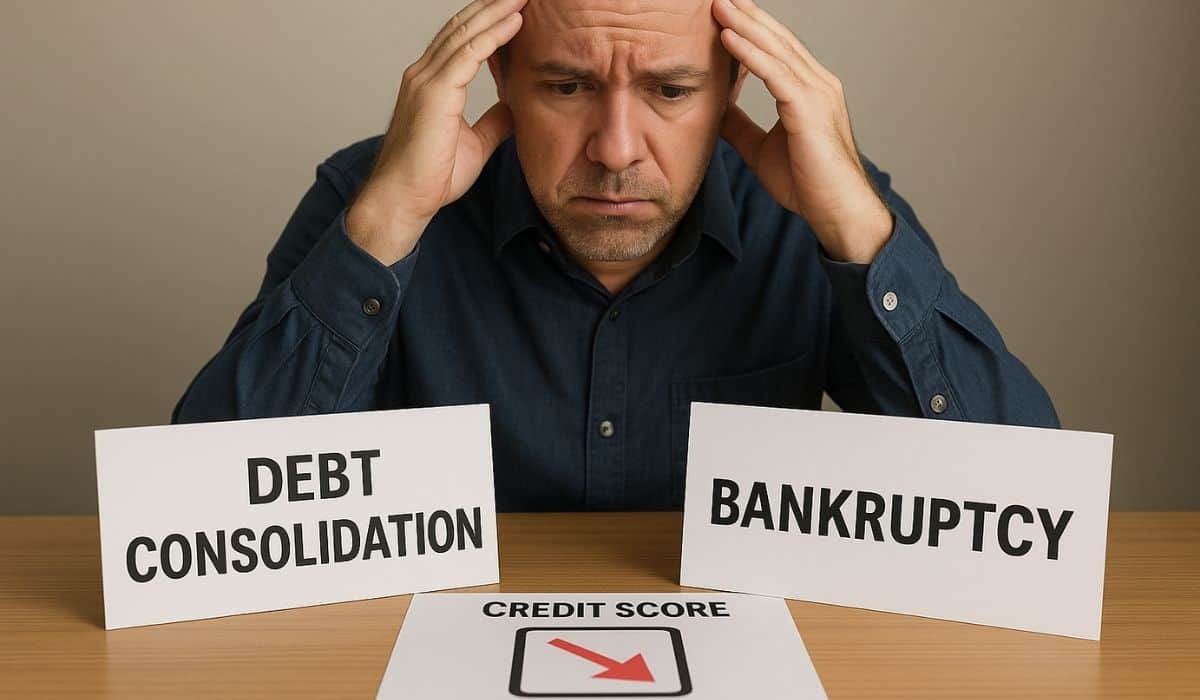

Credit & Debt: How Credit Scores, Loans, and Borrowing Decisions Really Work
Credit affects borrowing costs, financial flexibility, and long-term outcomes, yet many people only encounter the system when something goes wrong. Approval decisions, interest rates, repayment rules, and penalties are often determined by mechanics that are rarely explained clearly.
This guide explains how credit and debt work as a system – covering credit scores, loans, credit cards, mortgages, student debt, and repayment strategies – so readers can understand risks, trade-offs, and consequences before making decisions.
Credit Scores, Reports, and Approval Mechanics
Credit decisions are driven by data recorded on credit reports and interpreted through scoring models and lender-specific rules. While credit scores are often presented as a single number, approval outcomes depend on a broader set of factors including utilisation, repayment history, account age, and recent activity. Understanding how lenders evaluate creditworthiness helps explain why similar applicants may receive very different terms – or be declined entirely.
Related Articles:
-
What’s a Good Credit Utilization Ratio? Target Figures Explained
-
Why Your TransUnion Score Is Always Your Lowest (And What That Means)
-
The Credit Score Penalty That Stops You From Saving Thousands
Personal Loans, Lines of Credit, and Borrowing Structures
Personal loans and lines of credit can vary significantly in structure, cost, and risk. Differences in interest calculation, repayment flexibility, early payoff rules, and underwriting standards can materially affect the total cost of borrowing. This section explains how common borrowing structures work in practice, and what borrowers should understand before committing to a loan agreement.
Related Articles:
-
How to Get a Stated Income Line of Credit Without Traditional Proof
-
A Hard Money Loan for a Primary Residence: The 30-Day Reality Check
-
Why You Can’t Pay Off Your Loans Early (Even When You Want To)
Credit Cards and Revolving Credit
Credit cards operate on a revolving credit model, meaning balances, interest charges, and utilisation can change from month to month. While this flexibility can be useful, it also introduces risks related to compounding interest, minimum payments, and credit score impact. This section explores how revolving credit works, how costs accumulate, and how card usage affects long-term financial outcomes.
Related Articles:
-
The Fastest Way to Pay Off Credit Card Debt (That Actually Works)
-
Balance Transfer Cards for Bad Credit: The Requirements Explained
-
As Washington Attacks Credit Cards, Smart Users Watch the Fine Print
-
The Truth About No-Interest Store Financing (How Retail Credit Really Works)
-
Virtual Credit Cards Explained: How They Protect Your Spending
Debt Repayment, Consolidation, and Financial Stress
Managing existing debt effectively is often more important than accessing new credit. Repayment strategies, consolidation options, and negotiation approaches can influence both financial stability and credit history. This section focuses on the mechanics of reducing debt, the trade-offs involved in consolidation, and how borrowers can evaluate their options when facing financial pressure.
Link these articles:
Student Loans and Education Debt
Student loans follow different rules than most consumer credit products, particularly when government-backed programs are involved. Repayment terms, forgiveness eligibility, and servicing practices can vary widely depending on loan type. This section explains how education debt works, why borrower experiences differ, and what factors matter most when managing student loan obligations.
Link these articles:
-
The Student Loan Rate Spread: Why Your Roommate Pays Less Than You
-
Why Federal Student Loans Don’t Cover Full College Costs Anymore
Mortgages, Housing Debt, and Home Equity
Housing-related debt is typically long-term, high-value, and closely tied to interest rate movements. Mortgages, home equity loans, and related products behave differently from other forms of credit due to collateral requirements and regulatory structures. This section explains how housing debt works, the trade-offs involved in different loan types, and how home equity can be accessed or preserved.
Link these articles:
-
FHA vs Conventional Loan — The $50,000 Mistake Homebuyers Make
-
How Retirees Can Unlock Home Equity Beyond the Reverse Mortgage