Why Your Car Insurance Is So Expensive—and How to Find Better Rates Fast


U.S. auto insurance premiums surged roughly 20% in 2023 and continued climbing through 2024, driven by higher repair costs, more severe accidents, inflation, extreme weather losses, and rising litigation expenses. While rate growth is slowing in 2025, most drivers are still paying far more than before the pandemic. The most effective response isn’t waiting for relief, it’s actively shopping, adjusting coverage, and leveraging discounts. Data from industry loss reports show that claim severity, not just inflation, remains the core pressure point.
- Repair and claim severity are the main drivers: Advanced vehicle technology and labor shortages have pushed average claim costs up 40–50% since 2018.
- Riskier driving and litigation matter: Accident severity, higher medical costs, and larger jury awards (“social inflation”) continue to pressure premiums.
- Climate and location amplify costs: Weather-driven losses and high uninsured-driver rates raise premiums in states like Florida and Colorado.
- Shopping works — but few switch: About 14% of drivers shop for insurance, yet only ~4% switch, leaving large savings unrealized.
- Action beats waiting: Comparing 3–5 quotes, reviewing deductibles, and checking discounts 30–45 days before renewal remains the most reliable way to lower costs.
If your car insurance renewal notice has arrived with a double-digit increase, you’re not alone. Auto insurance premiums across the United States have climbed sharply in recent years, creating widespread sticker shock for millions of drivers. Rising vehicle prices, higher repair and labor costs, increased accident severity, and larger claim payouts have collectively pressured insurers to raise rates nationwide. Understanding the forces behind these increases, and knowing how to respond, can help drivers regain control over this essential expense.
The Perfect Storm Behind Premium Spikes
Several converging forces have created what many industry observers describe as a perfect storm for auto insurance pricing. U.S. inflation data shows that car insurance premiums climbed sharply in 2023, rising by roughly 20% year over year, followed by another double-digit increase through much of 2024. While the pace of increases has begun to cool in 2025, premium growth remains elevated in many regions, typically ranging from mid-single-digit to high-single-digit percentages, leaving drivers facing a substantial cumulative jump compared with pre-pandemic levels.
The most significant driver has been the rising cost of vehicle repairs. Modern cars are packed with advanced electronics, including sensors, cameras, and driver-assistance systems embedded in bumpers, windshields, and side panels. As a result, even relatively minor collisions can generate repair bills running into the thousands of dollars. Components that were once inexpensive cosmetic fixes now often require the replacement and recalibration of radar sensors or cameras, dramatically increasing claim severity.
Labor shortages in the auto repair industry have further intensified the problem. A limited supply of qualified technicians has pushed shop wages higher, increasing labor costs per repair. These higher parts and labor expenses mean insurers are paying more for each claim they settle, costs that are ultimately passed on to policyholders through higher premiums.
The Severity Problem
It isn’t just rising repair costs driving higher insurance premiums. The severity of auto accidents has also increased meaningfully since 2020, placing additional pressure on insurers. U.S. transportation safety data shows that while total driving fell early in the pandemic, fatal crash rates per mile driven rose, reflecting riskier driving behaviors. Speeding, distracted driving, and aggressive driving all became more common, contributing to more severe collisions.
Industry data supports this shift. Analysis shows that average bodily injury claim severity increased by roughly 40% between 2018 and 2022, while property damage claim severity rose by nearly 50% over the same period. These increases reflect not just inflation, but more costly and damaging crashes, forcing insurers to reassess risk and pricing models.
Several factors help explain the trend. Pandemic-era empty roads encouraged faster driving, and elevated speeds persisted even as traffic volumes normalized. Vehicle miles traveled have largely rebounded to pre-pandemic levels, increasing exposure to accidents. At the same time, distracted driving, particularly mobile phone use, remains widespread, continuing to undermine safety despite years of public awareness efforts.
Climate Change as a Cost Driver
Extreme weather events have delivered increasingly costly blows to insurance companies and their customers. Hurricanes, floods, hailstorms, and wildfires don’t just damage vehicles directly, they also increase accident risk through poor road conditions, reduced visibility, and large-scale disruption, while triggering mass claims events that strain insurer capital and reinsurance capacity.
Florida exemplifies this pressure. The state faces persistent hurricane exposure, with storms bringing severe wind damage, flooding, and surge-related losses that repeatedly drive spikes in auto and property insurance claims. These recurring disaster risks have become a central factor in insurer pricing, underwriting restrictions, and market exits.
Separately, uninsured motorist risk adds another layer of cost in some states. In Colorado, for example, recent estimates show roughly 17.5% of drivers lack insurance, well above the national average. High uninsured motorist rates increase claim severity and loss uncertainty for insurers, which can place upward pressure on premiums for insured drivers. In weather-prone states, the combination of elevated catastrophe risk and structural market challenges, such as high uninsured driver levels, creates a particularly difficult pricing environment, even though these factors operate through different mechanisms.
The Inflation Factor
Broader inflation has affected nearly every aspect of vehicle ownership. New and used car prices surged during pandemic-era supply chain disruptions, and although prices have eased from their peaks, they remain well above pre-pandemic levels. Higher vehicle values increase insurance costs because insurers must pay more to repair or replace damaged cars, particularly as parts, labor, and technology costs have also risen.
Medical expenses have followed a similar trajectory, directly influencing bodily injury liability claims. Emergency care, surgical procedures, diagnostic imaging, and long-term rehabilitation have all become more expensive. As healthcare inflation has consistently outpaced overall consumer inflation, the cost of bodily injury claims has increased accordingly, adding further pressure to auto insurance premiums.
Social Inflation and Litigation
A less visible but increasingly significant factor is “social inflation”, a term used by insurers to describe claim costs rising faster than general consumer inflation. This trend reflects several forces, including higher litigation expenses, growing use of third-party litigation funding, more aggressive legal strategies, and a greater likelihood that accident claims escalate into lawsuits rather than settling early.
Legal settlements and jury verdicts have increased meaningfully over the past decade, particularly in severe injury cases. Awards for similar injuries are often larger than in prior years, influenced by changing jury perceptions, expanded definitions of damages, and more sophisticated plaintiff representation. The insurance industry refers to especially large awards as “nuclear verdicts,” which introduce uncertainty into loss forecasting and contribute to higher premiums as insurers price in the risk of outsized claims across their portfolios.
Personal Factors That Spike Your Rate
Beyond market-wide trends, individual circumstances strongly influence what you pay for auto insurance. Age remains one of the most powerful risk factors. Drivers under 25 face much higher premiums because they are involved in accidents at higher rates. Adding a teenage driver to a family policy can increase annual costs by several thousand dollars, often rivaling what parents pay for their own coverage.
Your driving record is equally important. A single at-fault accident commonly raises premiums by 30% to 60%, depending on the insurer and state rules. Serious violations such as DUIs, reckless driving, or repeated speeding tickets lead to even larger increases. Rate impacts vary by state, with some imposing steep mandatory surcharges and others limiting how much insurers can penalize drivers.
Credit history affects pricing in most states. Insurers use credit-based insurance scores because they correlate with claim frequency and severity, even though the causal link remains debated. Drivers with strong credit often pay substantially less, sometimes close to half as much, than those with poor credit for the same coverage. Only California, Hawaii, Massachusetts, and Michigan restrict or prohibit the use of credit in auto insurance pricing.
Location also matters beyond state lines. Urban drivers typically pay more than rural drivers due to heavier traffic, higher accident frequency, and elevated theft and vandalism rates. Finally, vehicle choice plays a major role. Expensive, luxury, or high-performance cars cost more to insure because repairs and replacements are pricier, and electric vehicles often carry higher premiums due to higher purchase prices and specialized repair requirements.
Finding Better Rates Despite Rising Costs
Given these systemic pressures, can drivers actually reduce their premiums? Yes, but it requires strategic action. The single most effective step remains comparison shopping. Multiple pricing studies and consumer surveys show that auto insurance rates can vary significantly between companies for the same driver and coverage, often amounting to thousands of dollars per year depending on location, driving history, and insurer risk models.
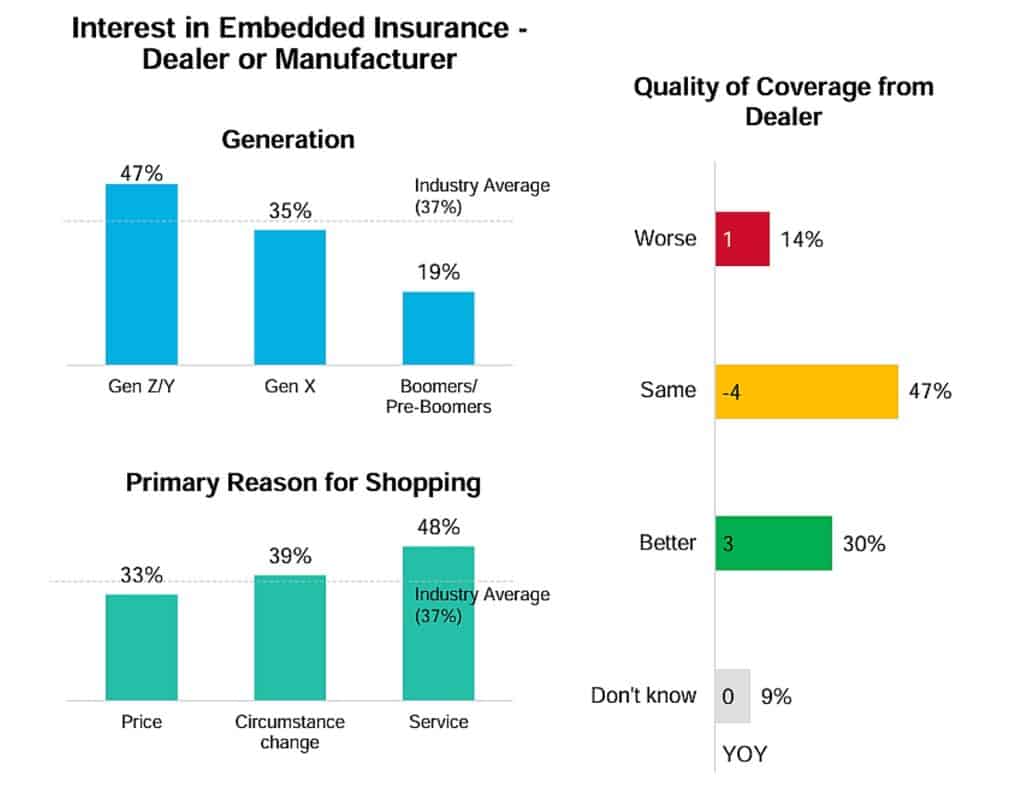
The insurance market has reached a critical inflection point. Recent industry data shows that 14.1% of U.S. drivers shopped for auto insurance in early 2025, close to record levels. Yet only 4.1% followed through and switched carriers. This gap highlights a large group of consumers who check prices but fail to act, leaving potential savings unrealized.
Source: RDN
Why do people hesitate? Inertia plays a major role. Remaining with a familiar provider feels easier than navigating a switch. Some drivers worry about coverage gaps during the transition, even though insurers routinely align policy start and end dates to prevent lapses. Others simply underestimate how much they could save, assuming the effort isn’t worth the outcome.
Real-world outcomes suggest otherwise. One documented case showed a Washington State driver reducing her premium from $500 per month to $190 after comparing multiple quotes and switching providers. That change produced $3,720 in annual savings, achieved with minimal time investment. For many households, those savings far outweigh the brief effort required to shop around.
Actionable Savings Strategies
Start by getting quotes from at least three insurers, ideally five or more. Online comparison tools allow you to enter your information once and receive multiple quotes, while independent agents who represent several carriers can also simplify the process.
- Time your shopping carefully: Request quotes 30–45 days before renewal to allow comparison without risking a coverage lapse. Insurers can align policy start dates so new coverage begins when the old policy ends.
- Review coverage annually: As vehicles depreciate, comprehensive and collision coverage with low deductibles may no longer be cost-effective. For lower-value vehicles, full coverage often provides limited benefit since payouts are capped at actual cash value.
- Consider higher deductibles: Raising deductibles from $500 to $1,000 typically reduces premiums by about 10–15%, depending on the insurer. Make sure you can cover the higher out-of-pocket cost if a claim occurs.
- Bundle policies selectively: Combining auto with homeowners or renters insurance often produces 7–10% discounts, but bundling isn’t always cheaper. Compare bundled and standalone quotes before committing.
- Ask about discounts: Insurers commonly offer savings for good students, low-mileage drivers, clean driving records, and defensive driving courses. Additional discounts may apply for military service or professional affiliations.
- Improve your credit where applicable: In most states, insurers use credit-based insurance scores. Paying bills on time, lowering balances, and correcting errors can help reduce premiums.
What About Negotiating?
Can you negotiate with insurance companies? Not in the traditional sense. Auto insurers price policies using regulated rating factors and filed pricing models, which means representatives generally cannot lower base rates arbitrarily. However, drivers can still use competitive pressure effectively. Sharing quotes from other insurers may prompt your current provider to apply overlooked discounts or suggest coverage adjustments that reduce premiums.
Consumer survey data shows that about 21% of drivers who contacted their insurer reported lowering their rate after reviewing discounts, adjusting deductibles, or correcting rating details. These outcomes typically stem from uncovering savings opportunities, not haggling over pricing. A brief phone call is often worthwhile, particularly for long-term customers, since tenure-based discounts may not be applied automatically unless requested.

Source: Finance Buzz
The Rate Stabilization Outlook
There is cautious optimism ahead. After several years of sharp increases, auto insurance rate growth is beginning to slow in parts of the market. Insurers have largely adjusted pricing to reflect higher repair costs and claim severity, and improving underwriting results have allowed some carriers to begin filing modest rate reductions, a shift not seen widely in recent years.
Industry filing data indicates that drivers with strong credit profiles experienced rate stabilization or slight declines in late 2024 and early 2025 in select states. In the second quarter of 2025, nearly 40% of rate filings among the largest insurers included decreases, signaling easing pricing pressure in certain segments.
That said, meaningful risks remain. Tariffs on imported auto parts, if broadly implemented, could raise repair costs. Severe weather events continue to create localized claim surges. And if accident frequency and severity keep rising, insurers may respond with additional pricing adjustments.
For consumers, the takeaway is straightforward. While macro forces have driven recent premium spikes, comparison shopping and thoughtful coverage decisions remain among the most effective ways to control costs. In a market where shopping activity is near record levels but switching remains relatively low, drivers willing to act can still capture savings that many others leave behind.