Big Pharma’s Obesity Drug Gold Rush Meets Political Reality


Pfizer’s acquisition of Metsera marks its strategic re-entry into the fast-growing obesity and metabolic-disease market, valued at over $100 billion by 2030. The $4.9 billion deal, potentially rising to $7.3 billion with milestones, brings next-generation GLP-1 and amylin analogues into Pfizer’s pipeline after setbacks in its earlier obesity-drug program. But this scientific leap arrives just as the U.S. government enforces new Most-Favored-Nation (MFN) pricing rules that cap drug reimbursements to international averages, reducing the profitability that once fueled blockbuster innovation.
- Strategic pivot: Pfizer is rebuilding growth after COVID-19 revenues declined, betting on obesity drugs to fill its pipeline gap.
- Regulatory squeeze: The 2025 MFN policy under President Trump ties U.S. drug prices to lower global benchmarks, reshaping pharma margins.
- Investor impact: Policy risk now rivals R&D risk, profitability depends on navigating regulation as much as advancing science.
- Global ripple: Lower U.S. prices could trigger worldwide renegotiations through reference pricing, compressing global returns.
- Industry shift: The obesity-drug boom defines a new era where innovation, affordability, and political alignment determine long-term success.
When Pfizer announced plans to acquire Metsera, the move marked a decisive return to the rapidly expanding market for obesity and metabolic disease treatments. The deal highlights a broader shift across the pharmaceutical industry, where major drugmakers are channeling resources into high-cost, high-impact innovation. This renewed focus on breakthrough therapies comes at a time when governments, particularly in the United States, are tightening policies to reduce drug prices and expand access. The growing tension between scientific ambition and regulatory pressure is set to shape the future of global pharmaceuticals for years to come.
A new chapter in the obesity-drug race
Pfizer’s definitive agreement to acquire Metsera follows a competitive process that values the company at about US$4.9 billion upfront, plus contingent value rights that could lift the total to roughly US$7.3 billion if milestones are met. Metsera’s lead candidates include next-generation GLP-1 and amylin analogues designed to reduce injection frequency and improve tolerability versus current options.
After discontinuing its oral GLP-1 (danuglipron) program due to a liver-safety signal, Pfizer moved to buy its way back into obesity therapeutics. The global obesity-drug market is widely forecast to exceed US$100 billion around 2030, underscoring the scale of the opportunity.
For Pfizer, the deal is both scientific and strategic. Revenues from its COVID-19 vaccine and antiviral portfolio have fallen since 2023, creating a growth gap. Augmenting the pipeline via targeted biotech acquisitions, especially in obesity, where efficacy and convenience drive adoption, has become a central pillar of Pfizer’s plan.
Overall, the Metsera acquisition positions Pfizer to re-enter the fast-growing weight-management arena with multiple shots on goal across GLP-1 and amylin modalities.
The political reality check
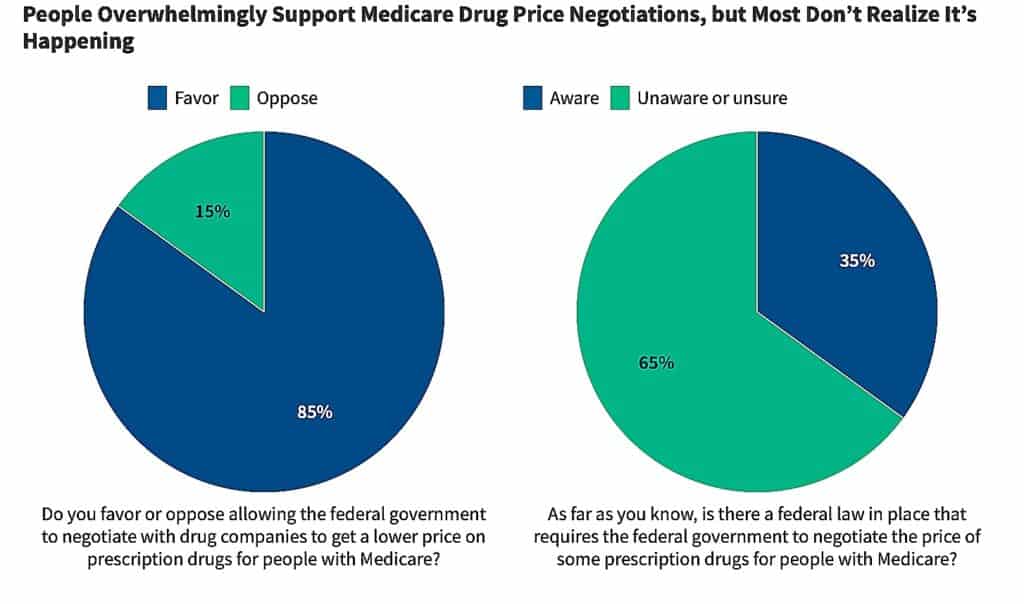
In May 2025, President Donald Trump signed an executive order establishing a new Most-Favored-Nation (MFN) pricing policy, directing U.S. health agencies to align domestic drug prices with those paid by other developed nations. By November 2025, the White House announced agreements with Novo Nordisk and Eli Lilly to reduce the cost of their obesity treatments, including Wegovy and Zepbound, for Medicaid programs and select Medicare pilots.
According to the administration, the initiative aims to end the long-standing disparity that forces Americans to pay significantly more than Europeans or Canadians for identical medications. In effect, the United States, once the world’s most profitable pharmaceutical market, is now curbing the pricing power that has sustained decades of blockbuster margins.
For Pfizer, the timing is delicate. The company is investing billions to acquire early-stage obesity assets just as Washington moves to limit the pricing flexibility that once made such deals lucrative.
Why pricing power matters
The United States generates about 40% of global pharmaceutical revenue, largely because of higher prices and broad insurance coverage compared with other developed nations. Those profits have long underwritten drug research and innovation while indirectly supporting lower prices abroad. But under a new most-favored-nation (MFN) pricing order, which ties U.S. reimbursement to international averages, that premium is now at risk.
If implemented, the policy could erode the pricing freedom that has sustained decades of pharmaceutical innovation. Companies may need to depend more on volume growth and global expansion to offset thinner margins. In practice, this would shift obesity treatments like Wegovy and Zepbound from high-priced specialty therapies toward mass-market products, a business model that generally delivers lower per-unit profit.
For investors, the message is clear: the innovation premium that once guaranteed outsize returns in the U.S. market now carries a growing political discount.
When innovation meets politics
The Pfizer–Metsera deal and Trump’s new drug-pricing reform highlight a shift in how the pharmaceutical industry creates value: innovation plus execution minus pricing drag now defines real returns. Pfizer’s acquisition assumes Metsera’s obesity drugs will gain approval and achieve broad adoption at premium prices. But if Washington’s most-favored-nation policy ties reimbursement to lower international averages, those profit assumptions could erode quickly.
That risk extends across the sector. Companies investing heavily in obesity and metabolic drugs, from Novo Nordisk to Eli Lilly, face the same challenge: strong clinical results may no longer guarantee blockbuster margins if regulators and payers enforce tighter reimbursement limits. As Reuters reports, the U.S. government’s pricing push is reshaping how drugmakers plan for growth. The future of pharmaceutical expansion now depends as much on navigating politics as on advancing science.
The wider industry landscape
The obesity-drug boom has become the defining growth story in global pharmaceuticals. Novo Nordisk and Eli Lilly dominate the market, fueled by the blockbuster success of Wegovy and Mounjaro, which have reshaped both companies’ valuations and growth profiles. Rivals including Pfizer, AstraZeneca, and Amgen are racing to catch up through targeted acquisitions and development partnerships aimed at next-generation metabolic treatments.
Yet the path ahead is narrowing. Rising competition and growing political scrutiny, particularly over drug pricing reforms, are beginning to compress potential returns. Large pharmaceutical firms can still rely on manufacturing scale and distribution strength to protect margins, but smaller biotechs may find it harder to sustain lofty valuations. If reimbursement caps gain traction, the appeal of pre-commercial assets such as Metsera could weaken, prompting investors to demand real-world pricing evidence before assigning premium multiples.
Source: KFF
The global ripple effect
The Most Favored Nation (MFN) pricing model could reshape pharmaceutical pricing far beyond the United States. Many countries already use external reference pricing, benchmarking their reimbursement rates to prices in other developed markets, often including the U.S. If American prices fall under the MFN framework, those reference points could also decline, triggering a wave of renegotiations across global markets.
This effect is particularly relevant for the obesity-drug sector, where international demand is accelerating. Lower U.S. prices could reset global averages, compress total revenue potential, and force pharmaceutical companies to rethink how they model future earnings.
The investor lens
For investors, this environment demands new discipline. Growth potential alone no longer guarantees profitability. Evaluating a pharmaceutical company now means assessing its exposure to policy risk, geographic diversification, and operational efficiency.
Pfizer illustrates both sides of the coin. If Metsera’s therapies prove safe, effective, and scalable, the acquisition could reignite growth. But if most-favored-nation (MFN) pricing pressures margins, returns may fall short of expectations for years.
Policy risk has effectively become financial risk, and managing it now requires as much skill as drug discovery itself.
The long-term perspective
The obesity-drug revolution is reshaping global healthcare, offering improved outcomes for millions. Yet governments worry about mounting costs as patients may need to stay on these treatments long term. That tension, between breakthrough science and fiscal restraint, ensures policy intervention will remain a defining feature of the market for decades.
Drugmakers that adjust pricing models, demonstrate real-world clinical value, and localize production to reduce costs will be best positioned to grow. Those relying on legacy profit structures may discover that the era of automatic pricing power is coming to an end.
Final word
Pfizer’s pursuit of Metsera captures the defining paradox of today’s pharmaceutical industry: innovation is still richly rewarded, but no longer at any price. The obesity-drug boom may represent the most transformative medical opportunity of the 2020s, yet it also exposes the new limits of capitalism in healthcare.
In this new era, scientific breakthroughs must coexist with fiscal discipline and political pragmatism. The companies that thrive will not only deliver effective therapies but also prove they can do so affordably and at scale. Balancing innovation, access, and execution is no longer optional, it is the formula for survival in modern medicine.