
5 Ways AI Should Already Be Managing Your Money (And How to Start)


Most people still manage money manually, sorting expenses, tracking budgets, and rebalancing investments, while modern AI tools can already automate nearly every part of personal finance. From intelligent budgeting to real-time fraud detection, these systems are available now, not in some distant future. The challenge isn’t access or cost, it’s adoption.
- AI budgeting tools like Copilot Money, Monarch Money, and Rocket Money categorize expenses using machine learning, cutting manual budgeting time by 90% and uncovering hidden spending patterns.
- Cash flow predictors such as PocketSmith forecast your balances weeks ahead, helping avoid overdrafts and plan purchases proactively—ideal for freelancers and variable-income earners.
- AI tax tools like Keeper Tax, TurboTax Live, and H&R Block AI Tax Assist identify deductible expenses automatically and perform daily tax-loss harvesting for investors.
- Fraud detection systems used by most U.S. banks now rely on AI for 87–94% accuracy, analyzing patterns and geolocation data to block theft while reducing false alerts by up to 50%.
- AI investment platforms including Wealthfront, Betterment, and Schwab Intelligent Portfolios continuously rebalance and harvest tax losses, maintaining discipline that improves long-term returns.
It’s 11 PM on a Tuesday, and you’re hunched over your laptop, manually sorting three months of expenses in a spreadsheet. You’ve been meaning to rebalance your investment portfolio for weeks, but you can’t remember the last time you actually did it. Meanwhile, somewhere in the digital ether, AI systems are processing millions of financial data points in seconds, spotting patterns, forecasting trends, and optimizing decisions with precision that would take humans weeks to match.
The gap between what AI can already do for your finances and what most people actually use it for is striking. This isn’t about futuristic robo-advisors or speculative blockchain integrations. These are practical, accessible AI tools available right now that can automatically categorize your spending, rebalance your portfolio, and even plan for taxes and savings goals. The technology exists. The barrier isn’t innovation, it’s adoption. Here are five ways AI should already be managing your finances, and more importantly, how you can start using them today.
1. Intelligent Budget Tracking & Expense Categorization
Traditional budgeting is a grind. You download bank statements, manually tag transactions, and eventually give up because it’s too time-consuming. Basic budgeting apps improved this with automatic categorization, but they’re often rigid, treating every Target purchase as “shopping” when half of it was groceries or labeling your therapy sessions as “entertainment.”
Modern AI-powered budgeting tools use machine learning and natural language processing to recognize spending context far more accurately than traditional automation. These systems can differentiate between a pharmacy prescription and the snacks you bought at checkout, or identify recurring subscriptions that quietly drain your balance. Over time, they adapt to your habits, improving precision with every transaction.
The impact goes beyond convenience. AI-driven expense categorization cuts budgeting time from hours to minutes and helps uncover patterns most people miss, like rising delivery costs or forgotten streaming services that erode monthly savings. It transforms budgeting from a reactive task into a proactive, data-driven process.
Getting started is simple. Apps such as Copilot Money, Monarch Money, and Rocket Money now integrate advanced AI categorization engines. Setup takes about 15 minutes: connect your accounts, choose general categories, and allow the system to learn your behavior over several weeks. During this period, review its suggestions weekly to fine-tune results. Once trained, you’ll only need quick monthly check-ins as the AI continues adapting automatically.
With consistent use, these tools provide real-time insights into spending, help prevent overspending, and make financial management far easier, and smarter, than any manual spreadsheet ever could.
2. Predictive Cash Flow Management
Most people manage cash flow reactively, checking their balance before making purchases or scrambling when unexpected bills arrive. Traditional financial apps show you what you spent yesterday. Modern forecasting tools show you what you’re likely to spend tomorrow.
AI-powered cash flow prediction analyzes recurring bills, seasonal spending, and income patterns to forecast your financial position weeks or months ahead. It identifies trends, such as higher utility costs in summer or irregular freelance income cycles, and alerts you to potential shortfalls before they happen.
This is particularly valuable for freelancers and small business owners dealing with variable income, helping them smooth cash flow and plan major purchases. Even salaried users benefit by avoiding overdrafts and timing expenses around income peaks.
PocketSmith offers detailed forecasting based on your transaction history, allowing projections up to 30 years ahead. While it uses your budgets and past trends rather than pure AI, it provides powerful insights once you’ve built three to six months of data. Setting up alerts for predicted low-balance periods transforms your approach from reactive budgeting to proactive planning.
3. Automated Tax Optimization & Deduction Discovery
Tax season is chaos for most people, you’re digging through receipts, trying to remember which expenses were deductible, and inevitably leaving money on the table because you forgot about legitimate write-offs or didn’t realize certain expenses qualified.
AI tax tools are game-changers because they work year-round, not just in April. They continuously scan your transactions to identify tax-deductible expenses you’d otherwise miss. Drove to a work conference? That’s deductible mileage. Bought a new laptop partially for freelance work? The AI estimates the business-use percentage. Had dinner with a client? That’s a business meal.
For investors, AI identifies tax-loss harvesting opportunities automatically. Traditional advice says to review your portfolio quarterly, but markets don’t move on schedules. AI monitors daily, harvesting losses to offset gains while navigating wash-sale rules and maintaining your asset allocation through similar, non-identical replacements.
The real-world impact is substantial. Freelancers and self-employed workers using tools like Keeper Tax often uncover deductions they’d have missed. Active investors using Wealthfront or Betterment can save significantly each year through automated daily loss harvesting without hours of manual review. The key is starting early in the tax year so the AI can learn your patterns and identify opportunities throughout.
4. Fraud Detection & Security Monitoring
AI has become the backbone of modern fraud detection. Early systems relied on rigid rules, blocking transactions that appeared obviously suspicious, like foreign purchases when you’d never traveled. Today’s AI-driven fraud detection is far more advanced, analyzing spending patterns, geolocation, device data, and transaction timing to identify anomalies that humans would miss. It knows you usually buy coffee near home between 7–8 AM, so a 3 AM purchase across town triggers an alert.
Unlike older systems that often froze cards during travel, AI models adapt in real time, recognizing expected behavior through historical and contextual data. Some banks even integrate travel-related confirmations to reduce false alarms while maintaining high security.
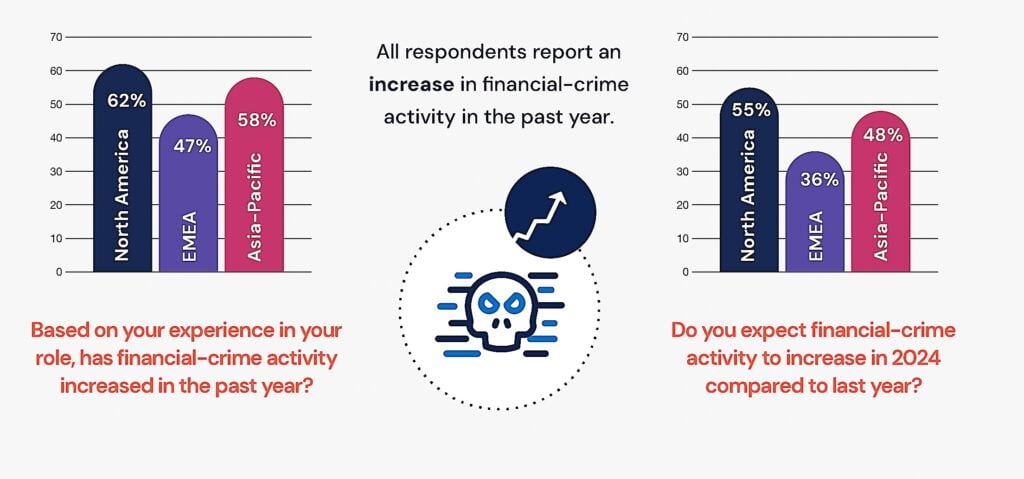
Around 70–80% of financial institutions now use AI to combat fraud, with detection accuracy reaching 87–94%in research models and false alerts reduced by roughly 40–50% compared to traditional methods. This combination delivers faster response times and far fewer customer disruptions.
Source: BioCatch
Most banks already provide passive AI protection, but you can strengthen it by enabling real-time fraud alerts, using identity-protection services like Aura or IdentityIQ, and setting up biometric authentication. Review flagged transactions promptly, your feedback helps improve system accuracy and further reduce false positives.
5. Personalized Investment Rebalancing & Portfolio Optimization
The traditional advice for investors is to rebalance portfolios quarterly or annually, selling assets that exceed their target allocation and buying those that have fallen below. In reality, most investors procrastinate or avoid it due to complexity and emotional bias.
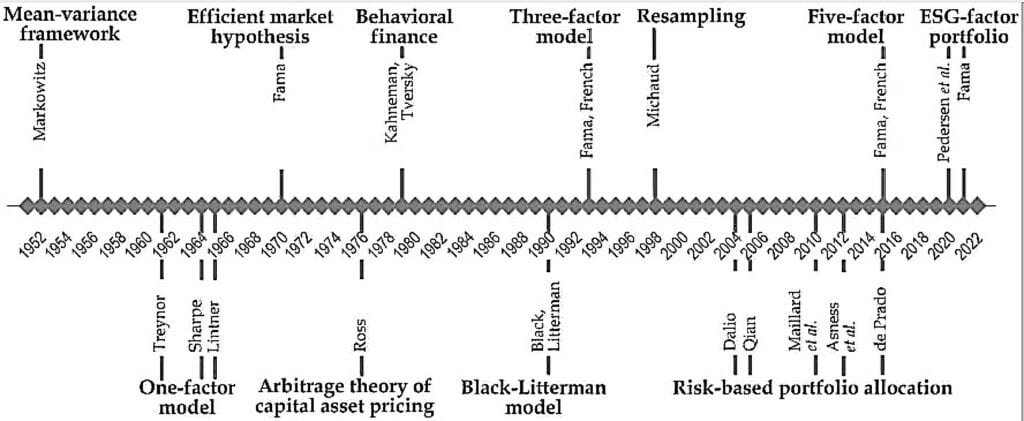
Modern AI-powered investment platforms such as Wealthfront, Betterment, and Schwab Intelligent Portfolios continuously monitor portfolios against target allocations, risk levels, and tax efficiency. They automatically rebalance, harvest tax losses to offset gains, and use fractional shares to maintain precise allocations that manual investors can’t easily match.
AI systems help reduce emotional trading, preventing panic selling in downturns or over-buying during rallies, by maintaining discipline through market cycles. Studies show that automated portfolio management improves long-term investor outcomes by enforcing consistent strategy and risk balance.
Source: NCBI
Getting started is simple. Wealthfront, Betterment, and Schwab Intelligent Portfolios provide daily monitoring, automatic rebalancing, and tax-loss harvesting. Vanguard Digital Advisor offers a similar approach for Vanguard investors, while M1 Finance lets users select investments as AI handles optimization. Minimum investments range from $0 to $500, making AI-driven investing accessible to nearly everyone.
The AI Finance Gap
The technology already exists today, not in some distant future. Modern AI financial tools capable of managing budgeting, tax optimization, investment rebalancing, and cash flow forecasting are widely available, often at little to no cost. The real barrier isn’t innovation or access, it’s awareness and the initial effort required to set them up.
The compound benefits of AI-driven financial management are substantial. Each system learns your patterns and grows smarter over time. A budgeting app like Monarch Money or YNAB might take a few months to learn your spending habits but can then save you hours each month. Investment platforms such as Betterment or Wealthfront automate tax-loss harvesting, saving investors significant amounts annually. Cash flow predictors like PocketSmith prevent overdrafts and help you plan smarter by forecasting future balances with high accuracy.
The best strategy is to start with the area where you struggle most. If budgeting feels tedious, begin with an AI expense tracker. If tax season creates stress, explore AI tax optimization tools like Intuit’s TurboTax Live Full Service or H&R Block AI Tax Assist. If you constantly forget to rebalance your investments, consider automating it with a robo-advisor. Each tool provides independent value while forming the foundation for a more integrated, AI-enhanced financial ecosystem.
The ideal time to have adopted AI money management was last year, when it could already have learned your habits and optimized your finances. The second-best time is today. The gap between what’s possible and what most people actually do isn’t closing on its own. Close it.