How to Rebuild Your Finances After Bankruptcy or a Criminal Record

Published: Sep 20, 2025

5.1 min read

Updated: Dec 20, 2025 - 13:12:15

How to Rebuild Your Finances After Bankruptcy or a Criminal Record
ADVERTISEMENT
Advertise with Us

Recovering from bankruptcy or a criminal record is challenging but entirely possible with discipline, steady income, and access to second-chance financial tools. Bankruptcy can lower credit scores by up to 200 points and remain on reports for 7–10 years, while criminal records often reduce job prospects by half. Yet, through budgeting, credit rebuilding, fair-chance employment, and second-chance banking, individuals can steadily regain stability and long-term financial security.

  • Start with a budget: Use zero-based budgeting to track essentials, cut unnecessary spending, and redirect even small amounts (e.g., $50/month) toward debt repayment.
  • Rebuild credit carefully: Secured credit cards, credit-builder loans, and regular error checks at AnnualCreditReport.com help restore scores – timely payments remain the biggest factor.
  • Secure income: Explore fair-chance hiring with employers like Amazon or JPMorgan, pursue short-term training in trades or healthcare, and leverage gig work for immediate cash flow.
  • Reenter the banking system: Second-chance checking accounts and credit unions provide alternatives to costly payday lenders and rebuild trust with mainstream banks (FDIC).
  • Protect progress: Build a starter emergency fund, automate payments, and avoid predatory lenders to create lasting financial resilience.
Starting over after bankruptcy or a criminal record is undeniably difficult, but it does not mean the end of your financial journey. With time, discipline, and access to the right tools, it is possible to rebuild stability and create opportunities that were once out of reach.

Why Bankruptcy and Criminal Records Matter

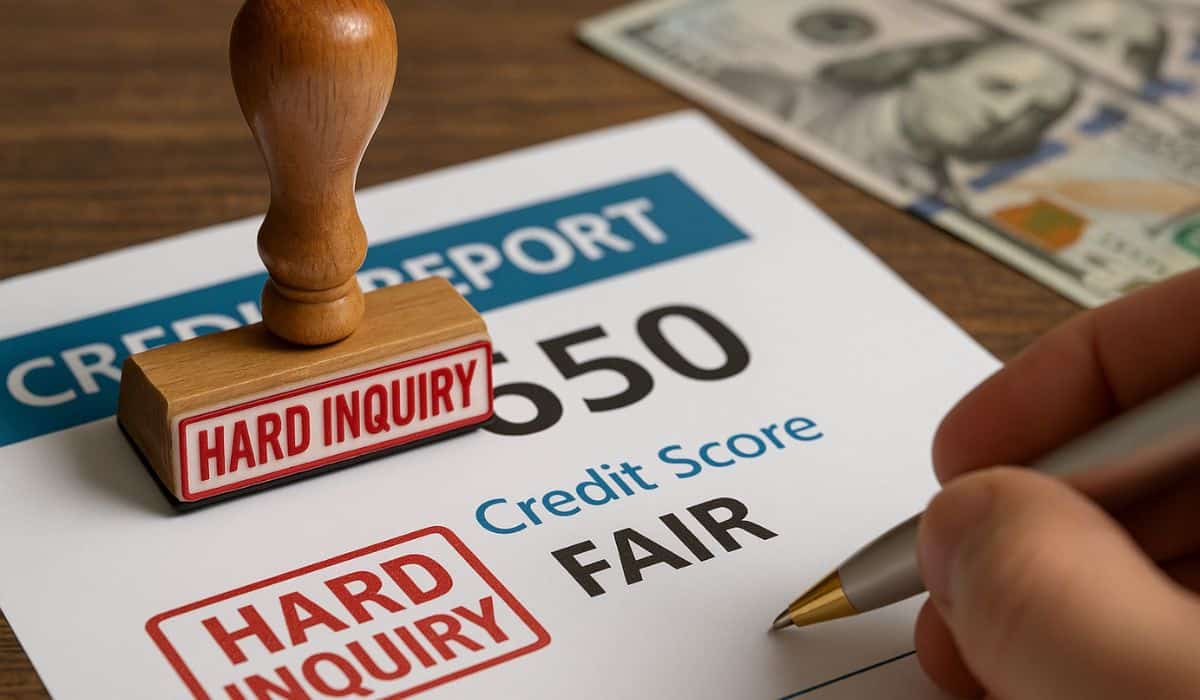
Bankruptcy is a formal legal process designed to discharge or restructure overwhelming debts. Its impact is significant: Chapter 7 bankruptcy filings typically remain on credit reports for 10 years, while Chapter 13 cases stay for 7 years. According to the Consumer Financial Protection Bureau, bankruptcy can reduce credit scores by 130–200 points, creating immediate barriers to loans, housing applications, and even employment. Yet, the recovery process begins as soon as you establish a new history of timely payments and responsible credit use.

Criminal records, while not directly tied to credit scores, often carry equally serious consequences. Research from the National Institute of Justice shows that applicants with criminal histories are 50% less likely to receive a callback for jobs. Because steady employment underpins financial recovery, this creates a structural hurdle. Still, opportunities exist through fair-chance hiring programs and employers committed to reintegration.

Step 1: Reset Your Money with a Budget

A fresh financial start requires full visibility into income and expenses. Begin by mapping out essentials such as rent, utilities, food, and transportation, then identify non-essentials that can be reduced or eliminated. A zero-based budget, where every dollar is assigned to a specific purpose, whether spending, saving, or paying off debt, ensures intentional use of money. Even small shifts, like redirecting $50 a month into debt repayment, compound into meaningful long-term progress.

Step 2: Rebuild Credit Step by Step

Credit recovery is gradual, but consistent actions make it possible.

  • Secured credit cards allow borrowers to deposit a refundable amount (usually $200–$500) that serves as a line of credit. When used for small, regular purchases and paid off monthly, they build positive history.

  • Credit-builder loans, offered through credit unions and community banks, report installment payments to credit bureaus, laying a foundation of reliability.

  • Reviewing your records at AnnualCreditReport.com ensures errors can be disputed. Incorrect entries are surprisingly common and fixing them boosts creditworthiness.

The key factor across all strategies is reliability: paying bills on time and avoiding overutilization. Over 35% of a credit score derives from payment history, underscoring why consistency outweighs quick fixes.

Step 3: Secure Income Through Second-Chance Opportunities

Financial progress hinges on income stability. In recent years, fair chance hiring has expanded, with companies such as Amazon, Walmart, JPMorgan Chase, and Koch Industries opening doors to applicants with records. State and federal initiatives like the Second Chance Act also support reentry into the workforce.

For those seeking new career paths, short-term training programs in healthcare, IT, and skilled trades can be completed in months rather than years, equipping individuals with in-demand skills. While pursuing long-term goals, gig economy work, rideshare driving, delivery apps, or online freelancing, provides immediate income streams and flexibility. Studies consistently show that stable employment significantly reduces recidivism, making work not just a financial necessity but also a safeguard against relapse into instability.

Step 4: Get Back Into the Banking System

Being cut off from traditional banks adds another layer of difficulty. According to the FDIC, 7.1 million U.S. households were unbanked in 2019. Past overdrafts or bankruptcies often trigger rejections when applying for new accounts, but alternatives exist.

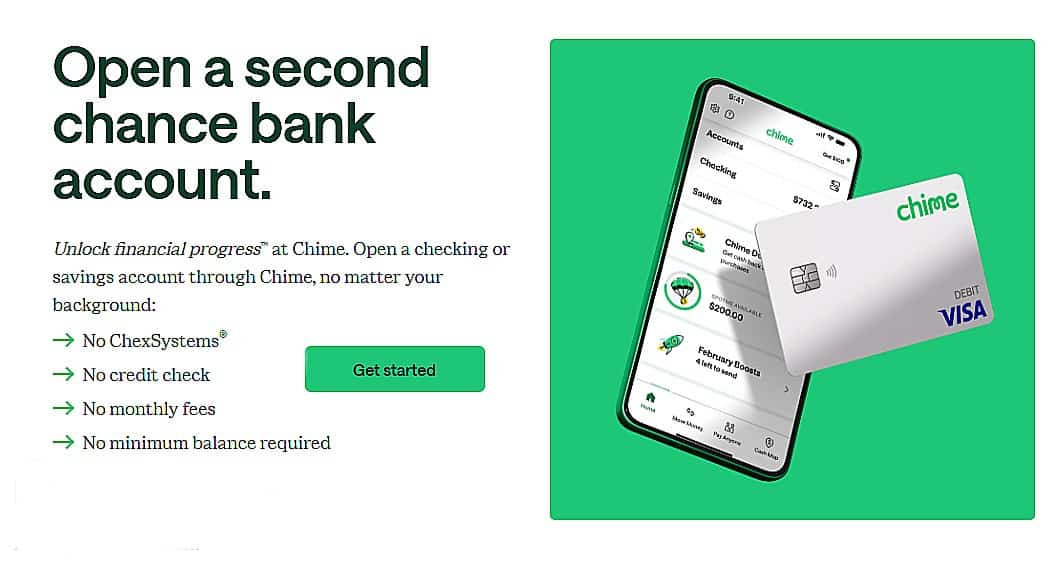
Chime Second Chance

  • Second-chance checking accounts, offered by major banks like Wells Fargo and community institutions, provide limited but essential services to rebuild credibility.

  • Credit unions, which are member-owned, often display more flexibility toward those with financial missteps, allowing easier reentry into mainstream banking.

Rejoining the banking system is essential for receiving direct deposits, paying bills securely, and developing a savings track record. Without access, people are often forced into high-cost alternatives such as check-cashing services or payday loans.

Step 5: Protect Progress with Smart Habits

Once momentum is regained, protecting progress is crucial. Building even a small emergency fund, say $25 per month, accumulates into a $500 cushion over time, a buffer that prevents small crises from spiraling into financial disaster. Avoiding predatory lenders, particularly payday lenders who charge APRs exceeding 300%, helps keep progress intact. Finally, automating payments and savings ensures stability without relying solely on willpower, creating a record of financial responsibility that landlords, lenders, and employers value.

Key Takeaway: Long-Term Progress is Possible

The process of rebuilding after bankruptcy or a criminal record is neither quick nor easy, but it is absolutely achievable. Legal, financial, and social barriers exist, but none are insurmountable. By methodically addressing credit, securing stable income, rejoining the banking system, and developing disciplined financial habits, individuals can break free from cycles of instability. Progress may feel incremental, but every step, whether disputing an error on a credit report, opening a second-chance account, or landing a stable job, adds to a foundation of freedom and financial security.

Your past does not have to define your financial future. With determination, informed choices, and consistent effort, you can build a life of stability, independence, and opportunity.

ADVERTISEMENT
Advertise with Us

Related Posts

Other News
ADVERTISEMENT
Advertise with Us
Tags