This Pokémon Card Just Sold for More Than a Tesla


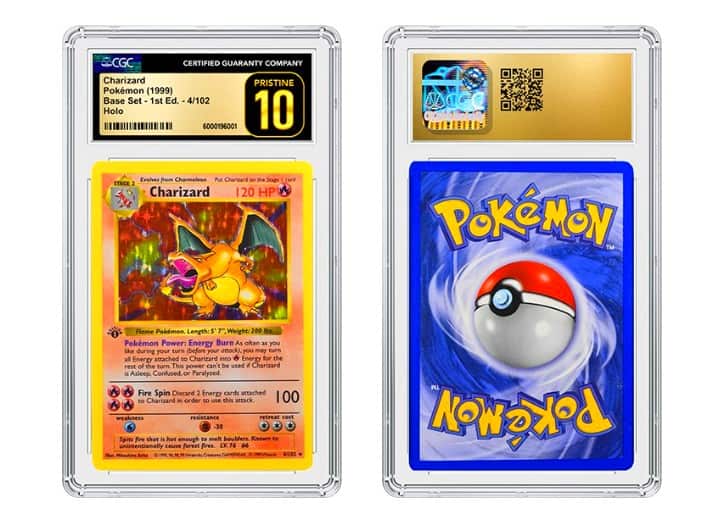
In 2024, a CGC Pristine-10 first-edition Charizard card was estimated at $450,000–$550,000 at Sotheby’s, highlighting how trading cards have transformed from $4 packs in the 1990s into a multi-billion-dollar collectibles market. While nostalgic and cultural demand drives some cards into six-figure territory, risks like volatility, counterfeits, and auction fees make Pokémon cards better suited as passion-driven collectibles than stable investments.
- Rarity rules: First-edition and limited-print cards (1999 Base Set, promo prizes) are most valuable, often dwarfing unlimited versions.
- Condition is king: PSA or BGS “Gem Mint” 10 grades can double or triple a card’s value compared to PSA 9.
- Nostalgia drives demand: Pokémon’s global cultural weight fuels collector interest across generations.
- Market risks: Prices swing sharply, counterfeits abound, and auction fees can reach 20%.
- Collector’s mindset: Best approach is buying cards you love, with financial upside as a bonus, not a guarantee.
In 2024, a CGC Pristine-10 first-edition Base Set Charizard card featured in the Sotheby’s Holy Grails Auction had a price estimate on it of $450,000-$550,000, a sum much higher than the price of a new Tesla Model 3.
This auction underscored how trading cards, once purchased in $4 booster packs as recently as the late 1990s, have transformed into the centerpiece of a multi-billion-dollar collectibles industry. While most cards will never reach such heights, this story illustrates how nostalgia, scarcity, and cultural influence can elevate simple ‘cardboard’ into a high-value asset class.
Why Some Pokémon Cards Are So Valuable
Rarity and Print Runs
The foundation of value lies in scarcity. The 1999 Base Set, the very first Pokémon release in the United States, remains the most iconic. Within that set, “first edition” cards stamped with a black “Edition 1” symbol are significantly rarer than the unlimited versions, making them the holy grail for collectors. Promotional cards and prize-exclusive releases, sometimes awarded only to tournament champions, also command staggering premiums because so few exist.
Condition and Grading
Even the rarest card can lose its shine if damaged. This is why professional grading by services like Professional Sports Authenticator (PSA) or Beckett Grading Services (BGS) is essential. Graders evaluate centering, corners, edges, and surface. A PSA 10 “Gem Mint” card signals perfection, and because only a handful of early Pokémon cards survived in flawless shape, their value climbs exponentially. A PSA 9 card might be worth half the price of a PSA 10, reflecting just how sharply condition dictates price.
Nostalgia and Cultural Impact
Pokémon is more than a trading card game, it is the world’s highest-grossing media franchise. For adults who grew up with the franchise in the 1990s, rare cards like Charizard carry an emotional weight tied to childhood memories. At the same time, the global recognition of Pokémon ensures demand is not limited to one country or generation. For many buyers, owning a Charizard is akin to holding a piece of cultural history.
Historical Price Growth
The market’s trajectory highlights how collecting evolved into investing:
-
1998–1999: Booster packs retailed for about $4, often opened by children with little thought for preservation.
-
2010s: A first-edition Charizard in top condition fetched several thousand dollars, already showing its status as a prized collectible.
-
2020 boom: Pandemic-era nostalgia fueled a massive surge. Locked down, millions turned to childhood hobbies, pushing PSA 10 Charizards into six-figure sales.
-
2022: Influencer Logan Paul purchased a rare Illustrator card for $5.275 million, thrusting the market into the global spotlight.
-
2024: PSA 10 Charizards consistently sold above $350,000 at major auction houses, with some surpassing even higher benchmarks.
Compared to traditional investments, these returns appear staggering. Yet the market remains niche and less liquid than equities or bonds, making it riskier for investors seeking stability.
Risks of Collecting as Investments
While headlines emphasize soaring values, collectibles come with distinct risks:
-
Volatility: Unlike stocks with steady dividends, prices can swing sharply. A Charizard might bring $300,000 at one auction and $250,000 at the next.
-
Authentication challenges: Counterfeits are rampant. Professional grading and buying from reputable marketplaces are essential safeguards.
-
High transaction costs: Auction houses often charge 10–20% buyer premiums and similar seller fees, which can erode profits.
As with any speculative asset, past growth does not guarantee future results.
How to Start Collecting Safely
For newcomers, entering the market responsibly requires education and caution. The best strategies include:
-
Buy from trusted sources: Reputable platforms like eBay (with its authenticity guarantee), Goldin Auctions, or PWCC Marketplace provide greater security than unverified sellers.
-
Understand grading: Familiarize yourself with how minor flaws can slash value. A perfectly centered, flawless Charizard might sell for double or triple the price of one with light scratches.
-
Collect with passion: The safest path is to buy cards you personally enjoy. Even if prices dip, owning something that brings nostalgia or joy offers its own reward.
Comparing Pokémon Cards to Traditional Assets
Unlike stocks or bonds, Pokémon cards don’t generate cash flow. Their value depends entirely on what the next collector is willing to pay. This makes them highly illiquid compared to financial instruments, with selling often requiring time, auctions, and fees.
Still, some investors treat collectibles as alternative assets, akin to fine art, rare wines, or high-end sneakers. Beyond potential appreciation, they deliver emotional returns, satisfaction, nostalgia, and cultural connection, that traditional assets cannot replicate.
The Bottom Line
A Pokémon card selling for more than a Tesla is more than a quirky headline, it reflects how cultural icons can evolve into serious investment assets. Yet the market’s speculative nature, combined with authentication hurdles and high costs, means collectors should tread carefully. For most, Pokémon cards are best approached as a passion project, with financial upside treated as a potential bonus rather than a guaranteed path to profit.