The Rise of Username-Based Crypto Transfers: Making Digital Assets as Easy as Venmo


Crypto transfers are shifting away from 42-character wallet addresses toward username-based systems, making digital payments feel as natural as Venmo or Cash App. Platforms like YouHodler, PayPal, Venmo, and Cash App now support name-based or simplified transfers, reducing errors and boosting adoption. However, risks like irreversibility, platform silos, and phishing remain. The key question: which naming standard, ENS, Unstoppable Domains, or Solana Name Service, will achieve enough network effects to unify the ecosystem?
- YouHodler: Free, instant username-based transfers within its app, no wallet addresses or fees, but limited to its ecosystem.
- PayPal & Venmo: ENS integration (2024) brought readable crypto usernames like alice.eth to 270M+ U.S. users with contact lists.
- Domain services: ENS (>2M names), Unstoppable Domains (>4M), and Solana Name Service offer cross-app, blockchain-native identities.
- Cash App: Uses Bitcoin’s Lightning Network for fast, low-fee transfers, serving 36M+ users with near-instant settlement.
- Risks: Transactions remain irreversible; usernames are siloed per platform/blockchain; typo-squatting and phishing threats persist.
Not so long ago, sending cryptocurrency felt like navigating a minefield of random letters and numbers. A 42-character address wasn’t just inconvenient; it was a psychological hurdle. One wrong keystroke and your funds vanished into the void, irretrievable.
Today, a quiet but profound shift is underway. Crypto transfers are beginning to shed their machine-speak in favor of names you can remember, sometimes even your own.
The End of Copy-Paste Anxiety
Before username-based transfers, every crypto payment was an exercise in paranoia. People copied, pasted, and then rechecked addresses as if their financial lives depended on it, because they did. A “test send” of a few dollars was the norm. Then came the moment of holding your breath while the blockchain confirmed your fate.
It was this very drama that kept many newcomers at bay. Traditional payment apps like Venmo or Cash App had long solved this with usernames, but crypto clung to its alphanumeric roots. That is, until recently.
YouHodler Leads with Pure Simplicity
This week, YouHodler became the latest platform to tackle this challenge head-on with its new internal transfer feature.
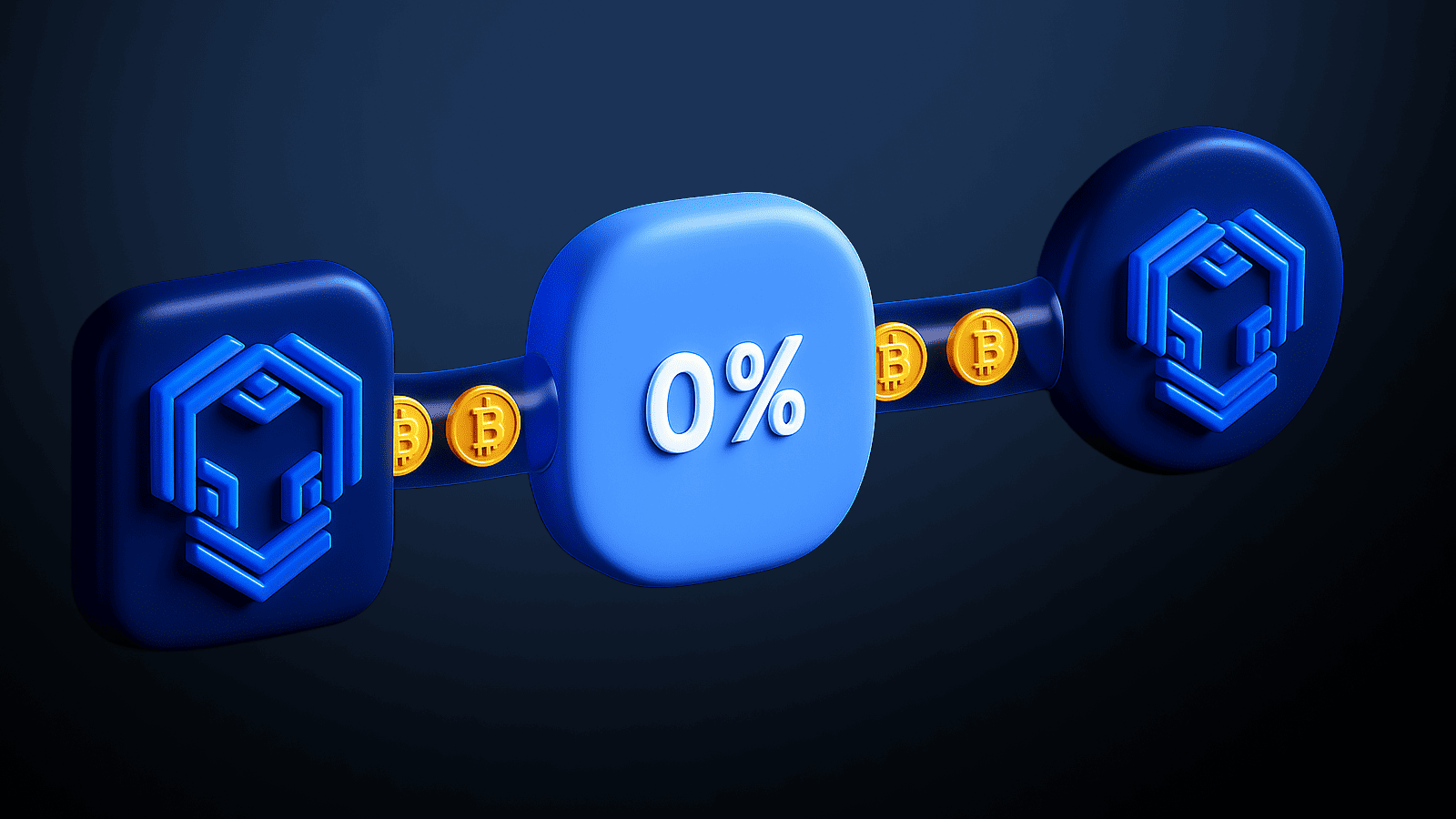
Users can now send cryptocurrencies to other YouHodler customers using just their username, no addresses, no QR codes, and no stress.
Key advantages of YouHodler’s approach:
-
Zero fees – completely free transfers
-
Instant settlement – typically funds arrive in seconds
-
Error-proof – no complex addresses to mistype
-
Internal network – bypasses blockchain congestion entirely
While free internal transfers aren’t revolutionary (most major exchanges already offer this), YouHodler’s username system represents the emerging standard for crypto user experience (UX): making digital assets work exactly like familiar payment apps.
When Mainstream Giants Join the Party
The clearest signal that usernames are more than a niche feature came almost a year earlier. In September 2024, PayPal and Venmo integrated the Ethereum Name Service (ENS), instantly making readable names like alice.eth usable for more than 270 million U.S. users.
Behind the scenes, ENS was doing the heavy lifting, translating the name into the correct Ethereum address, but to the user, it felt as simple as sending an email. This wasn’t just about ease. PayPal also added features like an address book, normalizing the idea that crypto contacts could be saved and reused just like phone numbers.
Convenience With a Cost
Despite these user-friendly improvements, fundamental crypto risks remain unchanged. Unlike traditional banking, where erroneous transfers can usually be reversed, cryptocurrency transactions are typically irreversible once confirmed on the blockchain.
The main risks remain consistent across systems:
-
Irreversible transfers – no recourse if funds are sent to the wrong username.
-
Platform silos – names often work only within a specific app or blockchain. For example, YouHodler usernames work within the YouHodler ecosystem only – they can’t be applied to a Venmo transfer for instance.
-
Security threats – typo-squatting (where attackers register domain names that are intentionally similar to legitimate, popular websites) and phishing, remain active dangers.
-
Technical resolution errors – a misconfigured name can still misroute funds.
The Blockchain Domain Revolution
Beyond centralized platforms, several blockchain-based naming services are creating portable identities that work across the crypto ecosystem.
Ethereum Name Service (ENS)
Format: yourname.eth
Integration: PayPal, Venmo, 700+ wallets and dApps
Adoption: Over 2 million registered names on-chain
Unstoppable Domains
Formats: .crypto, .wallet, .nft, .x, .bitcoin
Partnerships: 300+ integrations, including 80+ wallets like Coinbase Wallet; .Wallet Alliance with 32 providers serving 40M users
USP: One-time purchase, no renewal fees
Adoption: 4M+ domains registered
Solana Name Service (SNS)
Format: yourname.sol
Cost: Starting at $20 with no renewal fees
Integration: Native Solana support—supported by Brave browser, wallets, dApps
Advantage: Built on Solana’s low-fee, high-speed network
Cash App: Lightning-Fast Bitcoin Usernames
Cash App has taken a different approach by integrating Bitcoin’s Lightning Network, enabling near-instant Bitcoin transfers with minimal fees. While not exactly username-based, Lightning invoices and QR codes create a similarly streamlined experience for Bitcoin transactions. The Lightning integration serves over 36 million Cash App users, proving that faster, cheaper crypto transfers can achieve mainstream adoption when wrapped in familiar interfaces.
The Network Effect Challenge
Despite the innovation, the crypto username space faces a fragmentation problem. ENS works primarily with Ethereum, Solana Name Service operates on Solana, and platform-specific solutions like YouHodler’s usernames only work within their ecosystem.
This creates multiple “walled gardens” rather than the unified experience that mainstream users expect. This may be the case for some time given that ‘bridges’ between blockchains are a common attack vector for hackers. The winner may be whichever standard achieves the strongest network effects, or perhaps a future interoperability solution that bridges them all.
What This Means for Crypto Adoption
The username trend represents more than convenience; it’s about removing a major UX barrier to crypto mainstream adoption. When sending digital assets becomes as natural as using payment apps for splitting bills, crypto transitions from a technical novelty to a practical tool.
Key trends driving this shift include:
-
Institutional involvement: PayPal and Venmo’s ENS integration signals mainstream finance’s commitment
-
Cross-platform standardization: The .Wallet Alliance shows industry cooperation
-
Zero-fee competition: Platforms are absorbing costs to drive adoption
-
Mobile-first design: Following successful fintech playbooks
The Road Ahead
In the end, usernames aren’t the finish line. They’re a bridge, a way to lure hesitant users into the ecosystem without overwhelming them. But the irreversibility, decentralization, and global reach that define cryptocurrency aren’t changing.
That means even as the experience becomes smoother, the responsibility will always rest on the user. The crypto world may be learning to speak human, but humans still have to stay sharp.