The Complete Guide to Online Crypto Wallets | Understanding Your Digital Storage Options


Online wallets are the most common way people store and transact with crypto, but security, custody, and convenience vary widely depending on the type. Browser extension wallets like MetaMask give you self-custody and direct access to DeFi, but they carry phishing and malware risks. Exchange wallets like Coinbase or Binance are beginner-friendly and insured in some cases, yet you don’t control your keys. Web-based wallets offer flexibility across devices but depend heavily on the provider’s security model. The best choice depends on whether you prioritize control, convenience, or multi-device access.
- Browser extension wallets (MetaMask, Phantom, Keplr) give you control of your keys and dApp access, but require strong security practices and technical comfort.
- Exchange wallets (Coinbase, Binance, Kraken) are user-friendly with customer support, but assets are custodial and exposed to hacks or regulatory freezes; over $2.2B was stolen from exchanges in 2024.
- Web-based wallets (Blockchain.com, MyEtherWallet) allow access from any device, but custody and security vary by provider, research before use.
- Mobile & institutional wallets bridge convenience and enterprise security, with features like QR scanning, multi-signature, and compliance tools.
- Security best practice: use two-factor authentication, strong passwords, offline seed phrase storage, and avoid keeping large balances in custodial wallets.
Online wallets fall into several categories, each with its own security model, features, and use cases. Understanding these differences is essential for making informed decisions about where to store and manage your digital assets.
While hardware wallets are considered the gold standard for crypto security, most users rely on online wallets for daily transactions. These digital wallets offer convenience and accessibility but come with trade-offs that every crypto holder should understand.
The Three Main Types of Online Wallets
1. Browser Extension Wallets (Self-Custody)
Examples: MetaMask, Phantom, Keplr, Rabby
Browser extension wallets are the most popular category, with MetaMask alone serving over 30 million monthly active users. Installed as browser extensions, they give you direct control over your private keys while connected to the internet.
When you create a wallet like MetaMask, your private keys are generated locally on your device, encrypted, and stored in your browser, protected by a password. These wallets interact directly with decentralized applications (dApps) and blockchain networks.

Source: Halborn
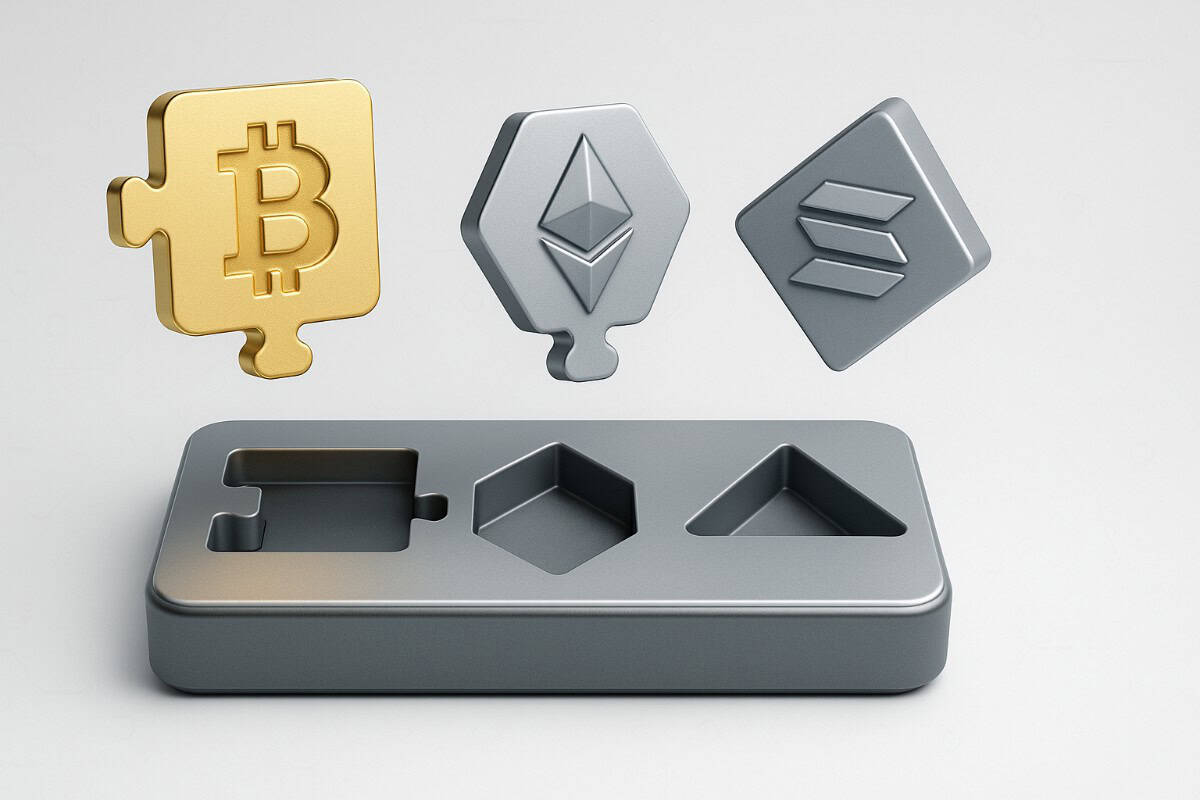
However, most browser extension wallets are blockchain-specific. MetaMask supports Ethereum and EVM-compatible chains but not Bitcoin or Solana tokens. Phantom is designed for Solana, and Keplr focuses on Cosmos chains. To manage multiple blockchains, users may need several wallets or use multi-chain options like Rabby, which still have limitations.
Strengths:
-
You control your private keys (self-custody)
-
Direct access to DeFi protocols and dApps
-
No KYC requirements for basic wallet creation
-
Works across multiple devices when importing seed phrases
-
Free to use
-
Relatively secure when used properly
Weaknesses:
-
Vulnerable to malware, phishing, and browser exploits
-
Requires frequent updates for security
-
Risk of losing access if passwords or seed phrases are lost
-
Complex for beginners
-
Major incidents like MetaMask’s 2022 “Demonic” vulnerability exposed seed phrases to risk
-
No customer support for lost funds
Best suited for experienced users who want control over their assets and to engage actively with DeFi and NFTs.
2. Exchange Wallets (Custodial)
Examples: Coinbase, Binance, Kraken, Gemini wallets
Exchange wallets are provided by cryptocurrency exchanges. When you buy crypto on an exchange, it’s stored in their wallet. In this model, the exchange holds your private keys and manages your crypto. You access funds through your account login, but the exchange controls the assets. Exchange wallets only support tokens listed on their platforms. Sending unsupported tokens usually results in permanent loss, with limited recovery options.
Strengths:
-
User-friendly interface
-
Integrated with trading features
-
Customer support available
-
Often insured against some losses
-
No need to manage keys or seed phrases
-
Security features like 2FA and withdrawal limits
Weaknesses:
-
You don’t control your private keys (“not your keys, not your crypto”)
-
Vulnerable to hacks and exchange closures; over $2.2 billion was stolen in 2024 alone
-
Subject to government regulations, potential freezes
-
Privacy limitations due to KYC/AML compliance
-
Limited functionality compared to self-custody wallets
-
Withdrawal fees and limits apply
-
Requires KYC
Best for beginners who mainly buy, hold, and trade crypto without needing advanced features.
3. Web-Based Wallets (Mixed Models)
Examples: Blockchain.com, MyEtherWallet, Trust Wallet (web version), Exodus (web version). Web-based wallets operate entirely through browsers without extensions. They vary widely, with some offering full self-custody and others acting as custodial wallets. They provide cross-device access without software installation but can have varied security depending on the provider.
Strengths:
-
No software installation required
-
Accessible from any internet-enabled device
-
Support multiple cryptocurrencies
-
May offer hybrid custody models
Weaknesses:
-
Security depends on provider
-
Vulnerable to phishing and fake sites
-
Dependent on provider infrastructure
-
Less dApp integration than browser extensions
-
Custody model can be unclear
Best for occasional users needing access from multiple devices but who research wallet security carefully.
Specialized Wallet Categories
Mobile App Wallets
Smartphone apps like Trust Wallet, Coinbase Wallet (separate from exchange), Rainbow, and Argent often bridge self-custody and custodial models. They offer convenience, QR scanning, and notifications.
Institutional Wallets
Designed for businesses and high-net-worth individuals, wallets like Coinbase Prime, BitGo, and Fireblocks provide multi-signature security, compliance tools, and institutional-grade custody, usually custodial but with advanced security.
Security Considerations Across Wallet Types
For browser extension wallets, strong passwords and offline seed phrase storage are critical. Always verify URLs to avoid phishing, keep browsers and extensions updated, and consider using a dedicated browser for crypto activities.
Exchange wallets require two-factor authentication, unique strong passwords, and regular account monitoring. Understand the exchange’s insurance and security policies, but avoid storing large amounts long-term since you do not hold the private keys.
Making the Right Choice
The best wallet depends on your needs:
-
Choose browser extension wallets if you want to engage with DeFi and dApps, control your own keys, and have technical comfort.
-
Choose exchange wallets if you are new to crypto, prefer simplicity, want customer support, and primarily buy and hold.
-
Choose web-based wallets if you need occasional multi-device access and are comfortable researching security models.
Many experienced users combine wallet types for balance: exchange wallets for trading, browser extensions for DeFi, and hardware wallets for long-term storage.
Final Thoughts
Online wallets are likely to remain the primary way most people interact with crypto due to convenience. The key is understanding trade-offs and selecting the right wallet for your use case. Stay informed, start small, and prioritize security education. Whether you prefer self-custody control or custodial convenience, proper security practices are essential for safe crypto management.